Welcome to my story style travel blog, featuring my adventure through Spain and Portugal in the summer of 2025.
You can read the blog in order, or about whichever destination intrigues you! Within my stories, I’ll offer some recommendations and some tips and tricks for a smooth journey. When I travel, I mostly do group tours and the reasons are:
* As a solo woman traveler, it is much safer especially if traveling long distances or to countries that can be dangerous in some areas
*The itineraries are amazing and usually include all of the things you’d want to see and do…and if not, there is free time to do as you wish
*You don’t have to worry about booking transport, finding hotels, etc. Sometimes that can contribute to the adventure, but it’s also nice to sit back and relax and let your Tour CEO be in charge
* And finally…the new people you meet on your tour become your family, and I’ve made lifelong friends in these journeys. For myself, this has equal importance with exploring new countries.
This time I used Expat Explore; the tour is called Spain and Portugal Explorer. It’s actually split into 2 parts….you could do either part, or do the whole thing so of course I did the whole thing! I’ll explain more about that along the way! This is my second time traveling with Expat, and their Eurpoean itineraries are really awesome and not super expensive. Also, transport is by coach bus which is nice because the buses offer air conditioning, comfy seats, WiFi and charging ports.
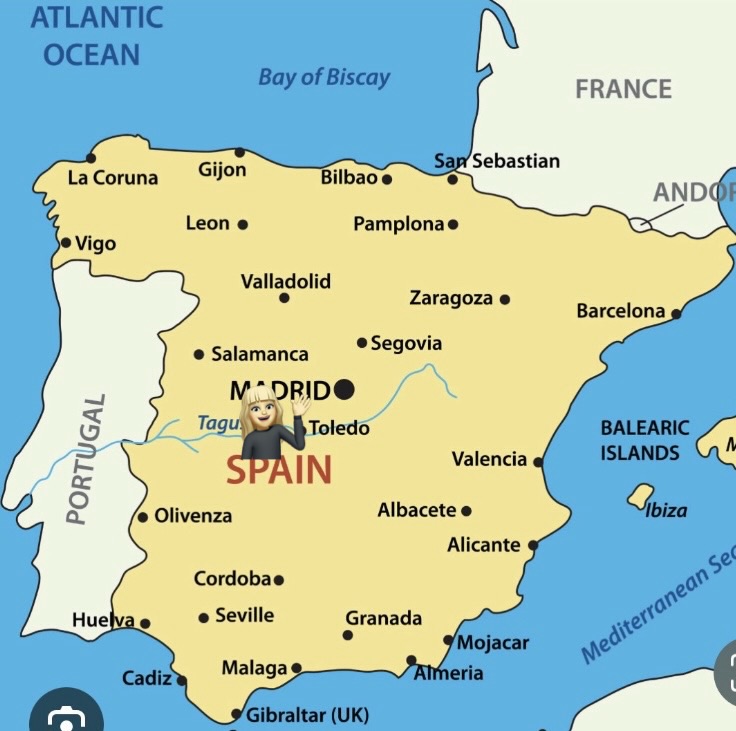
The first half of this tour has just ended, and we’ve said goodbye to half of our tourmates, and hello to some new tourmates, who join the rest of us that are doing the entire tour! This morning, we leave Madrid once again and head southwest for a quick 1 hour drive to Toledo. Its close proximity to Madrid means it is a crazy tourist destination – I think this is the most tour buses I’ve seen in a city so far!
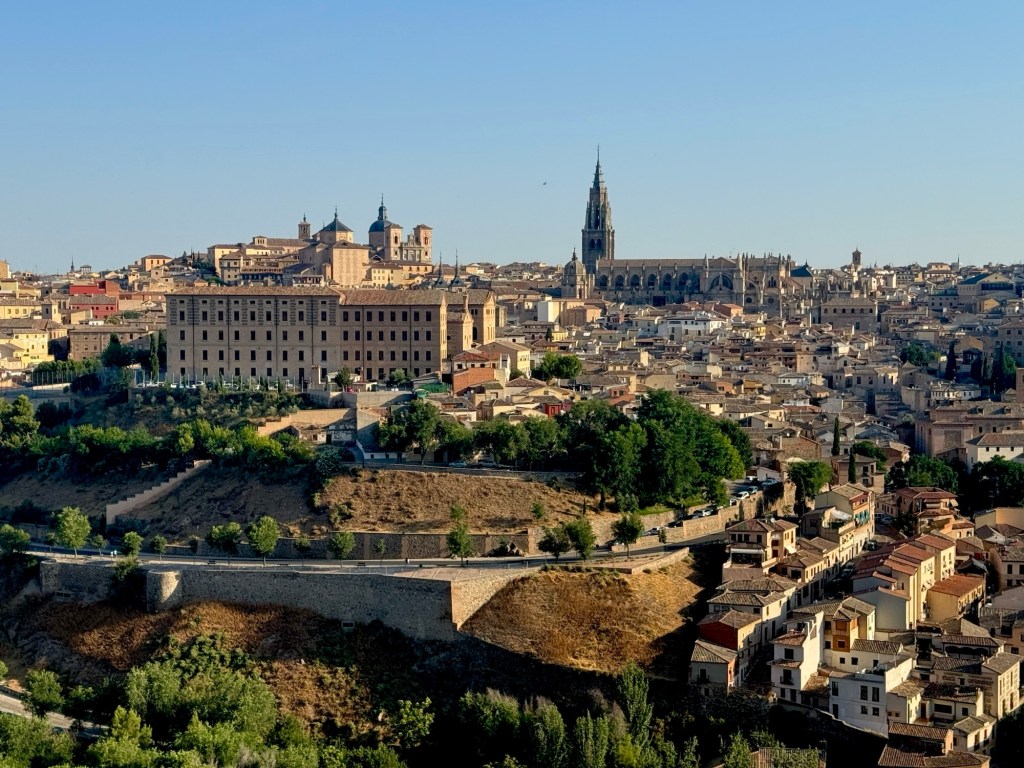
Dramatically perched above the Tagus River, Toledo is a city built like a fortress, and is one of Spain’s best preserved medieval cities. It’s historic center is a UNESCO site. Toledo has a layered history as a powerful capital and is a rare place where Muslim, Christian and Jewish cultures co-existed – The City of Three Cultures. Here you’ll find narrow cobblestone streets that wind past medieval walls, synagogues, mosques and grand cathedrals. Two things it’s most famous for – steel craftsmanship and the connection to the great painter El Greco, who lived and worked in Toledo.
First, we stop at a viewpoint to have a look at the city from across the river and let’s just say it’s stunning.
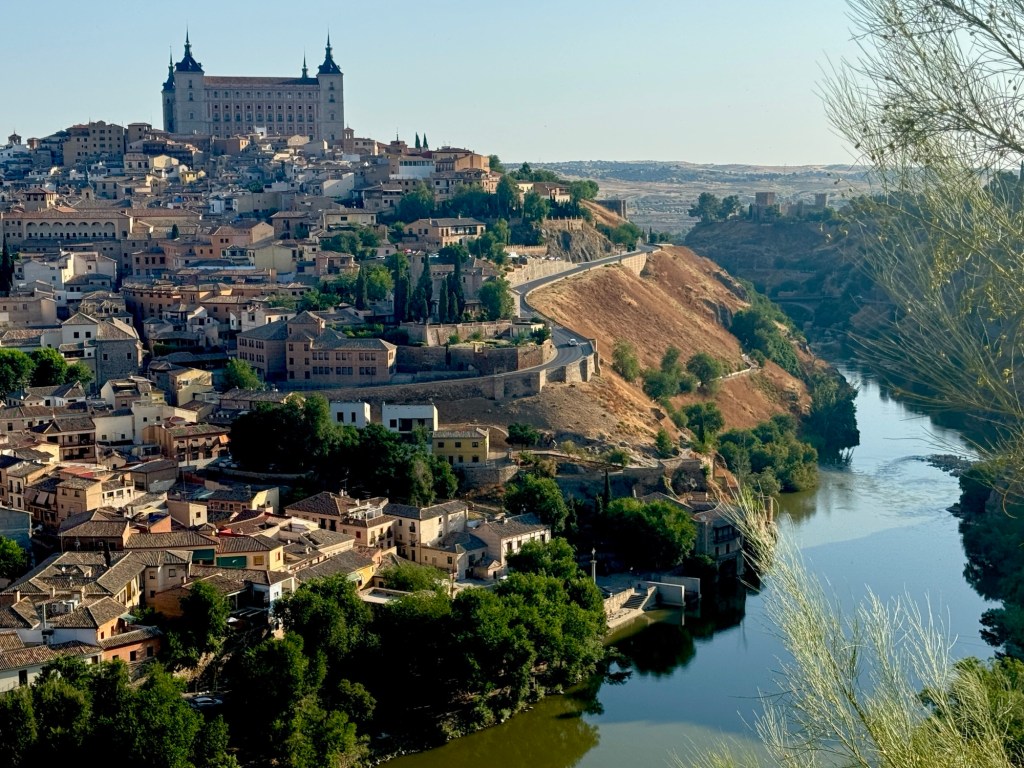
And how you know it’s a popular site – there is an escalator system to get everyone up the giant hill to get to the town. Our first stop is at a steel factory, where they make all kinds of swords, knives, and jewelry. The steel is world famous, and the swords are so amazing that they have been exported to armies across Europe.
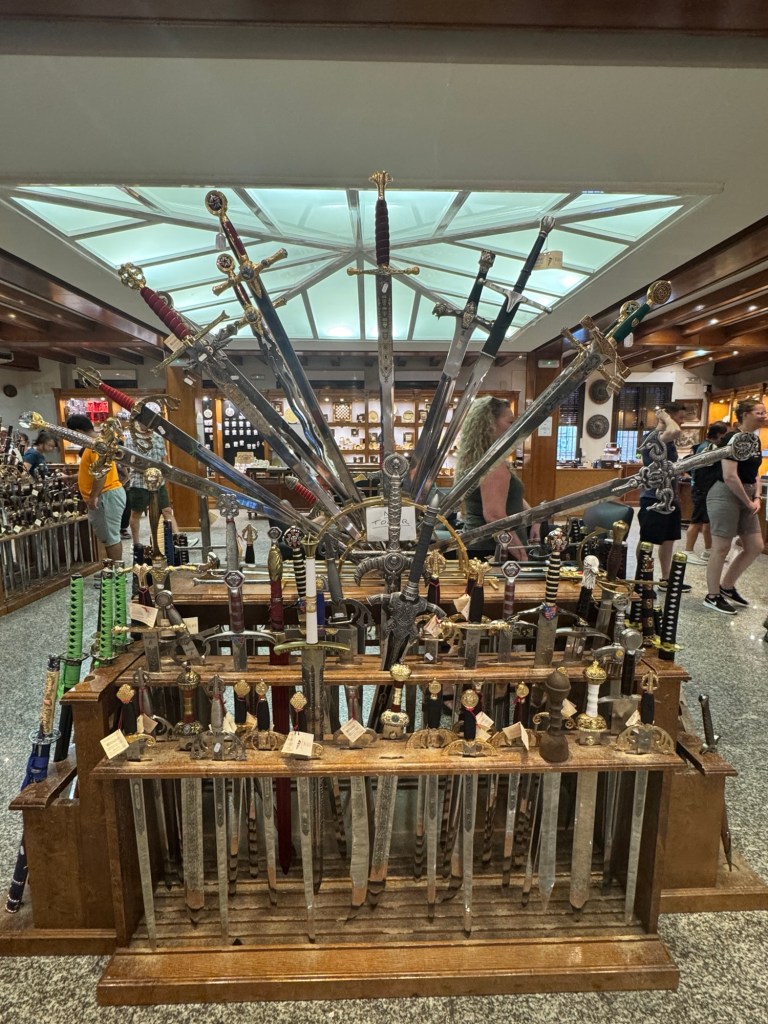
They do a little demo, but I can’t see much and some guy is just banging on steel so…..
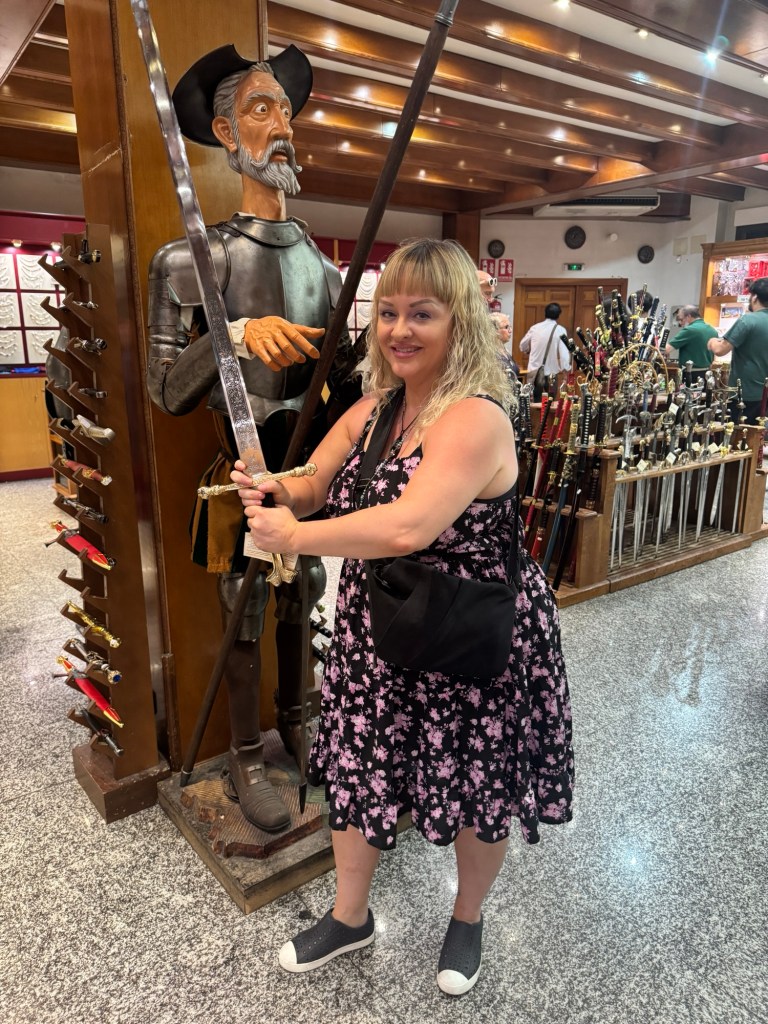
We have time to shop and while it would be nice to take home a giant sword, I settle for a necklace charm made in Damascene style. It is the result of Syrian craftsmanship meeting with Toledo steel, shaped by centuries of coexistence between the cultures.
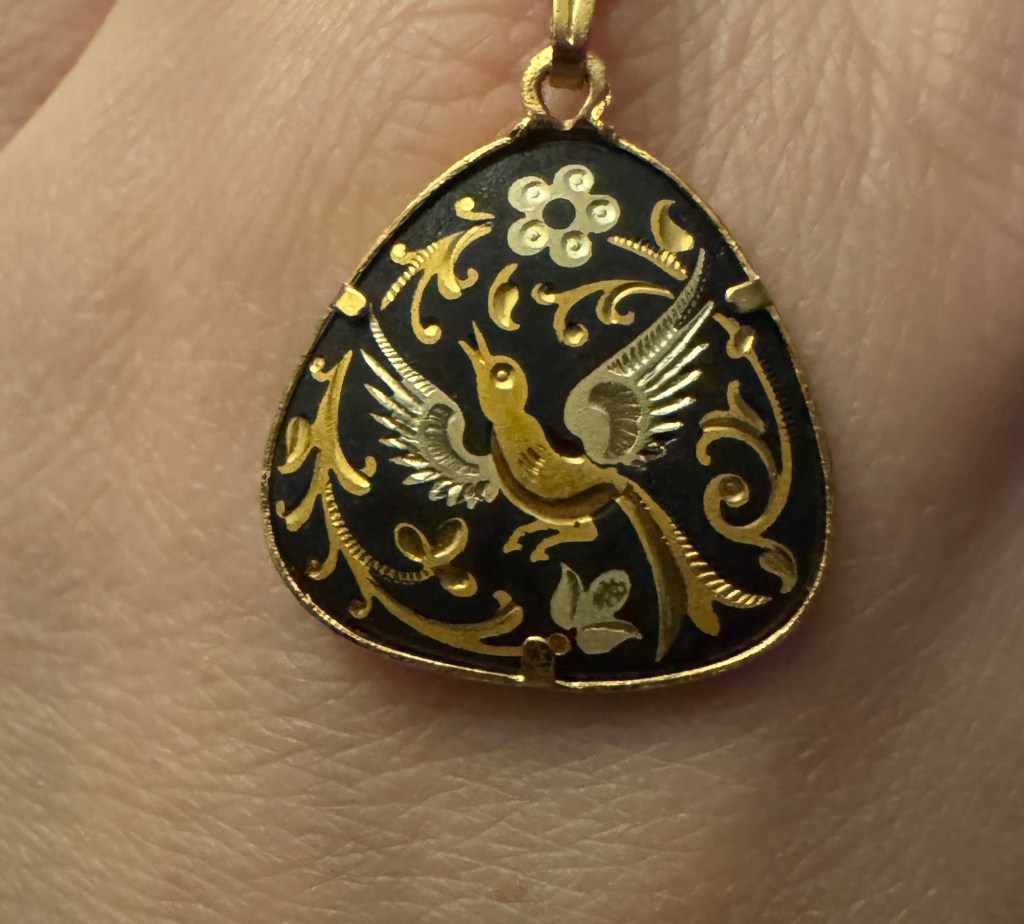
This metalworking technique is from Damascus, Syria and the style expanded into Spain in the 8th century. It’s made by inlaying gold and silver into darkened iron or steel, and it’s totally gorgeous. It was originally created for swords and armor, and in addition, evolved into jewelry
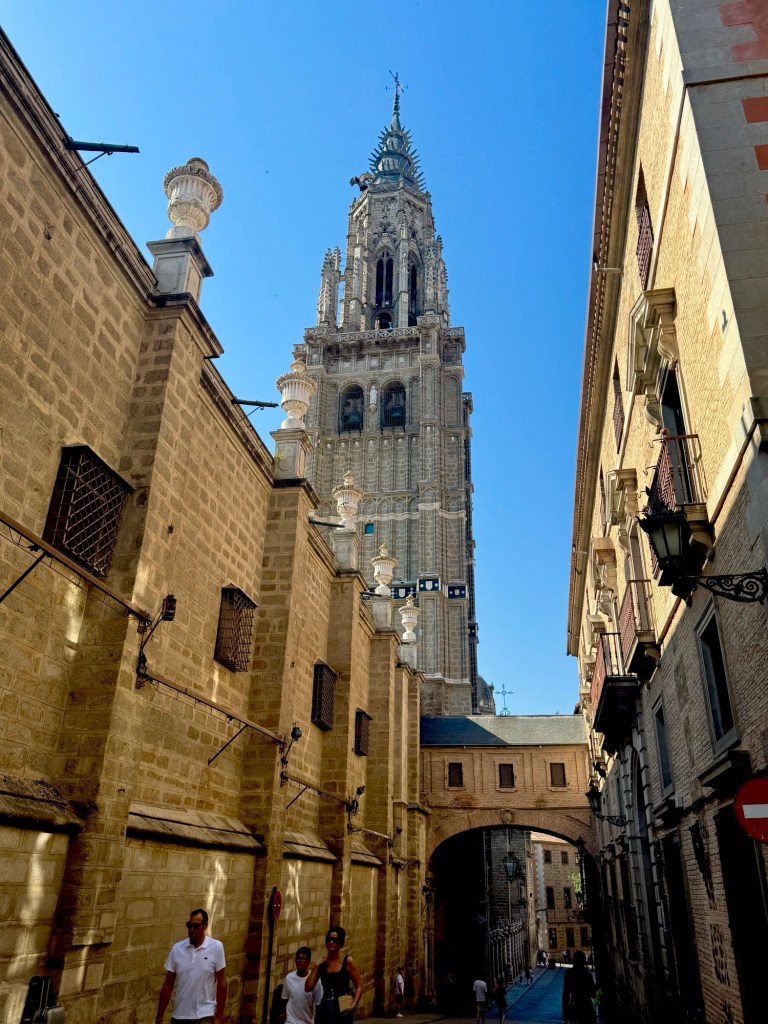
Gustavo(yes, he’s still with us!) walks us over to the impressive cathedral. Like so many other churches here in Spain, it’s an impressive Gothic cathedral – I feel like these descriptions are so repetitive but they are what they are! Haha. But this is one of the largest ones in Europe, so…..
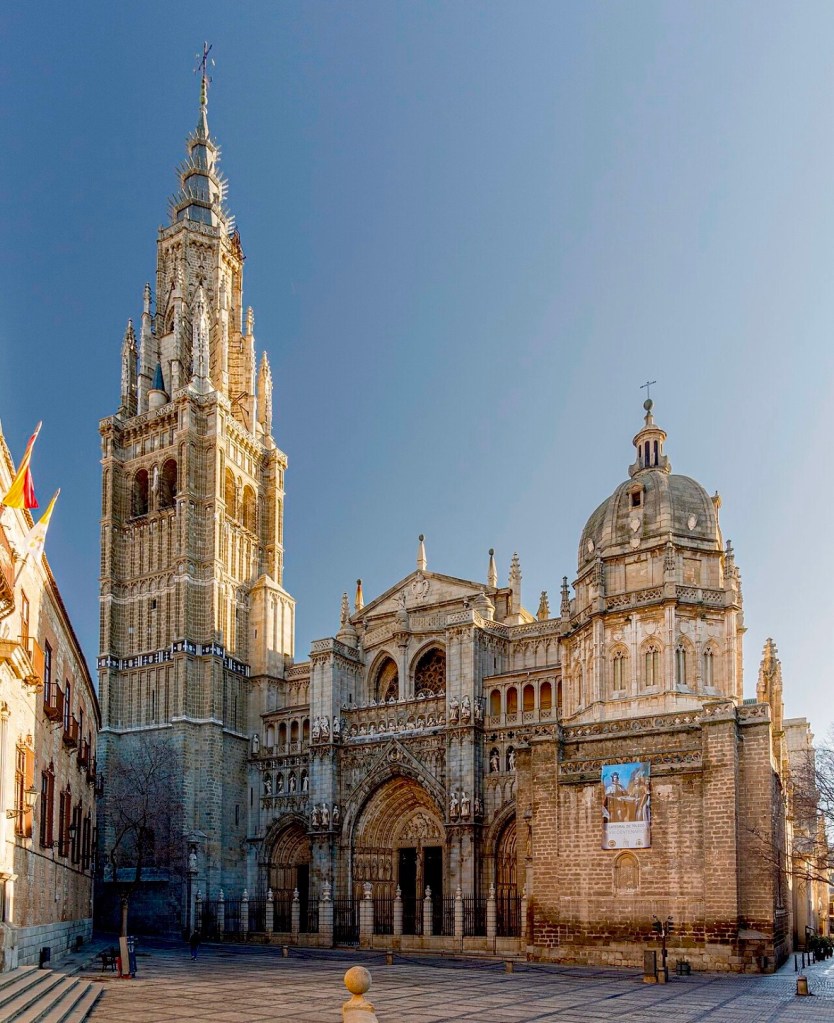
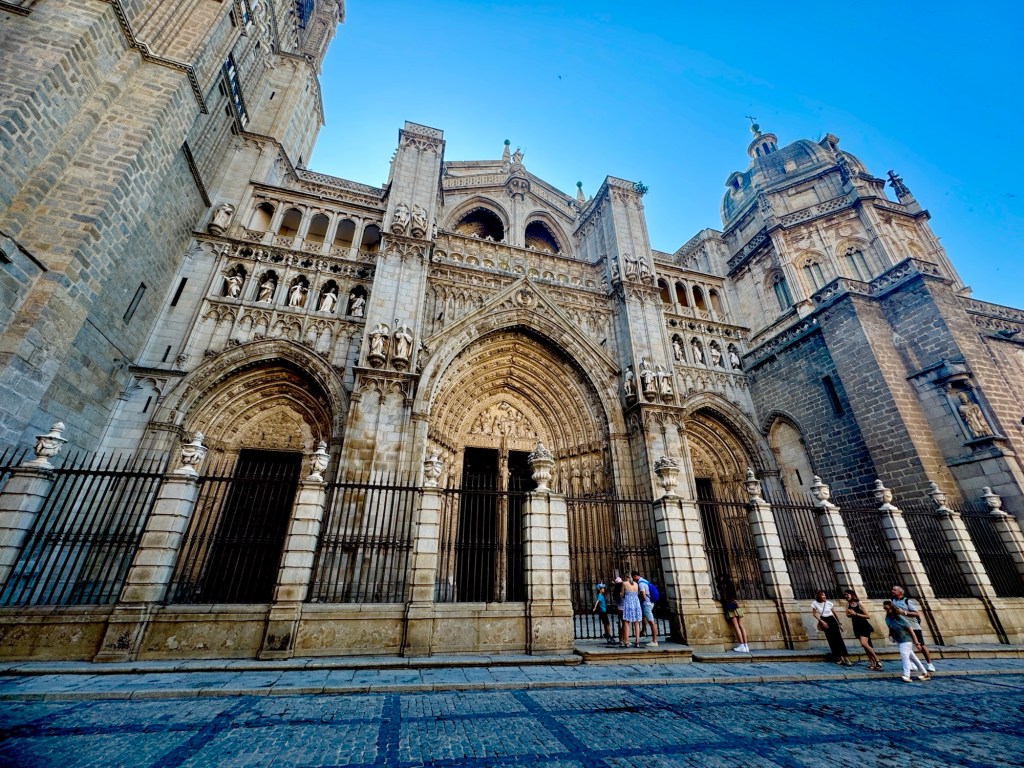
This one was built in 1226, on the site of a former Visigoth church and a mosque, so this is what I mean by the city being a crossroads of cultures/religions. There is a pretty impressive collection of art inside, considering it is a religious building – with works by El Greco and Goya. I don’t get to go inside this one, but when we break away from the group for free time, I make my way to the Church of Santo Tome. What’s special about this church is it houses El Greco’s The Burial of the Count of Orgaz, and this painting was created specifically for this space(it is still in its original location too).It is pretty stunning.
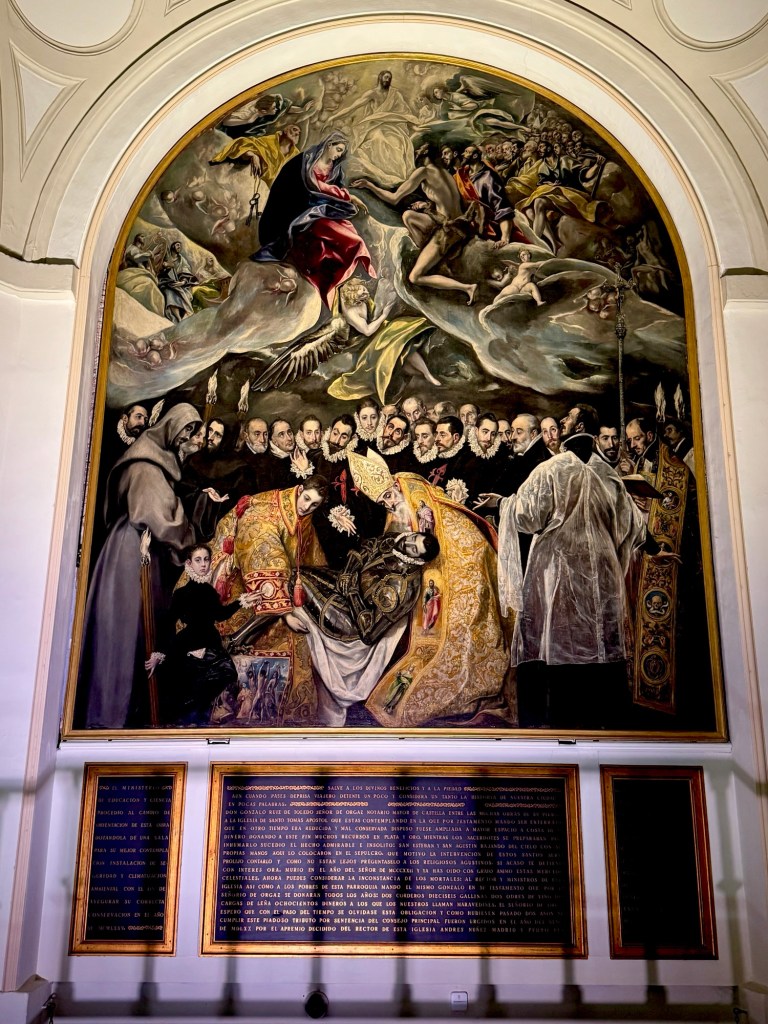
When I leave the church, I keep wandering around and have a look at some of the mosques and synagogues but I don’t have time to go in.
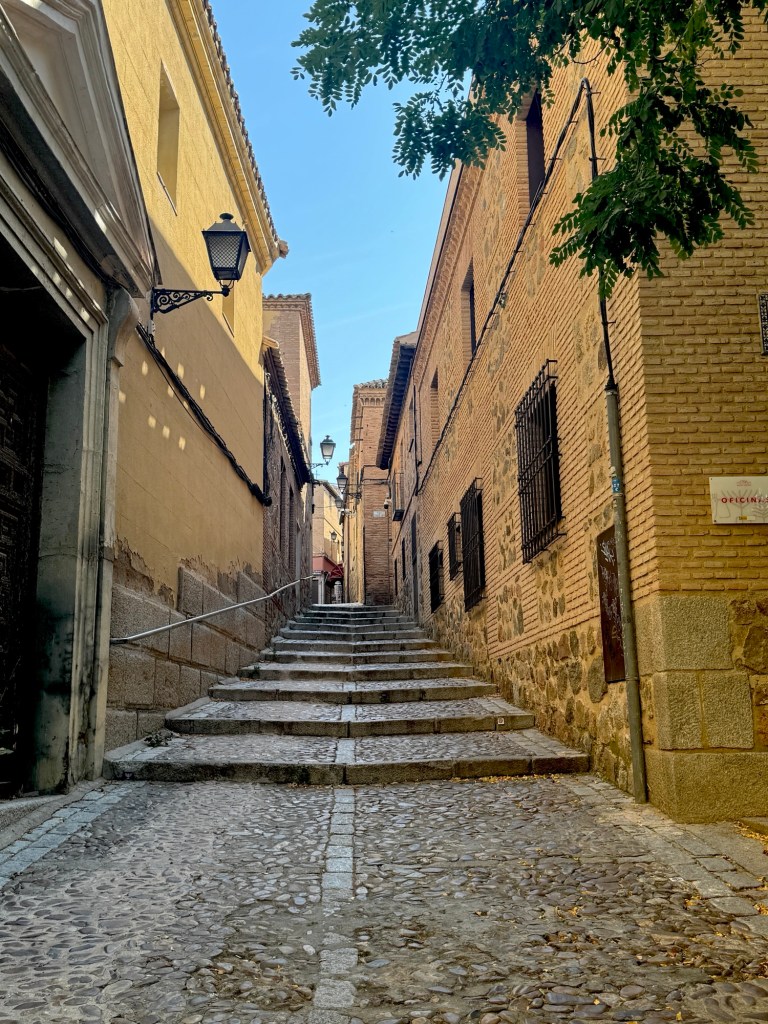
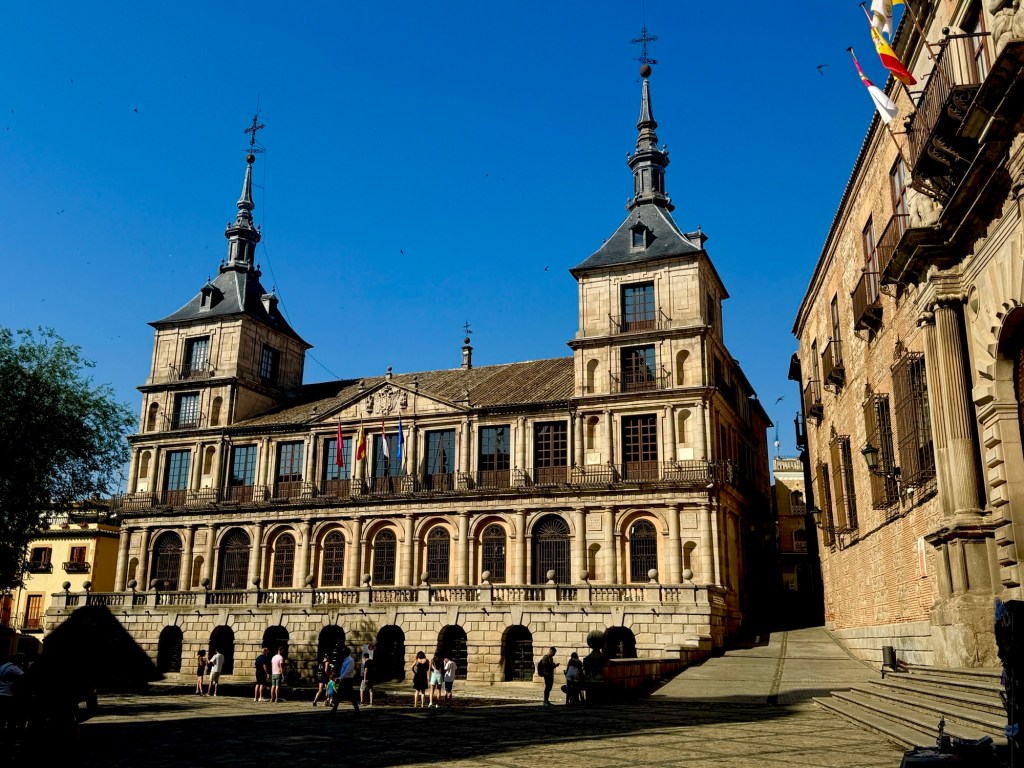
So I make my way back towards the main square, stopping in a few shops along the way to get my very important souvenirs.
Fun Fact: Toledo is the intellectual and historical backdrop that makes the novel Don Quixote possible. Written by Cervantes, the novel is about the “Man from La Mancha” who becomes obsessed with reading chivalric romance novels that he loses grip on reality. He renames himself Don Quixote and sets out to revive knighthood and defend the helpless. Gustav gives us a link to watch a short cartoon about Don and his horse Rocinante and his sidekick Sancho Panza(Don’s voice of reason). I really wanted to read the book, but it’s super long so I decide not to…but it’s such a funny story. And of course, there are lots of fun souvenirs to buy regarding the novel!!
Oh and one more fun fact – Toledo is home to the world’s smallest window.
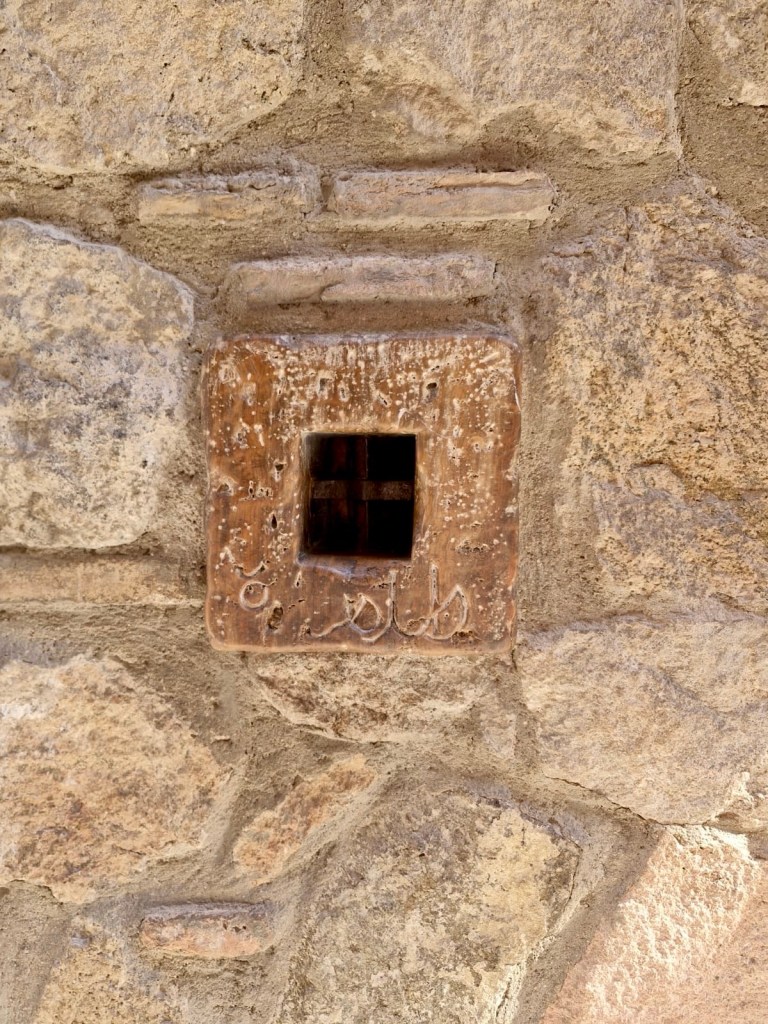
Located in a medieval wall, it is smaller than the palm of your hand! You would never notice it if you weren’t looking for it.
I still have some time, so I finish with a quick walk to check out the Alcazar
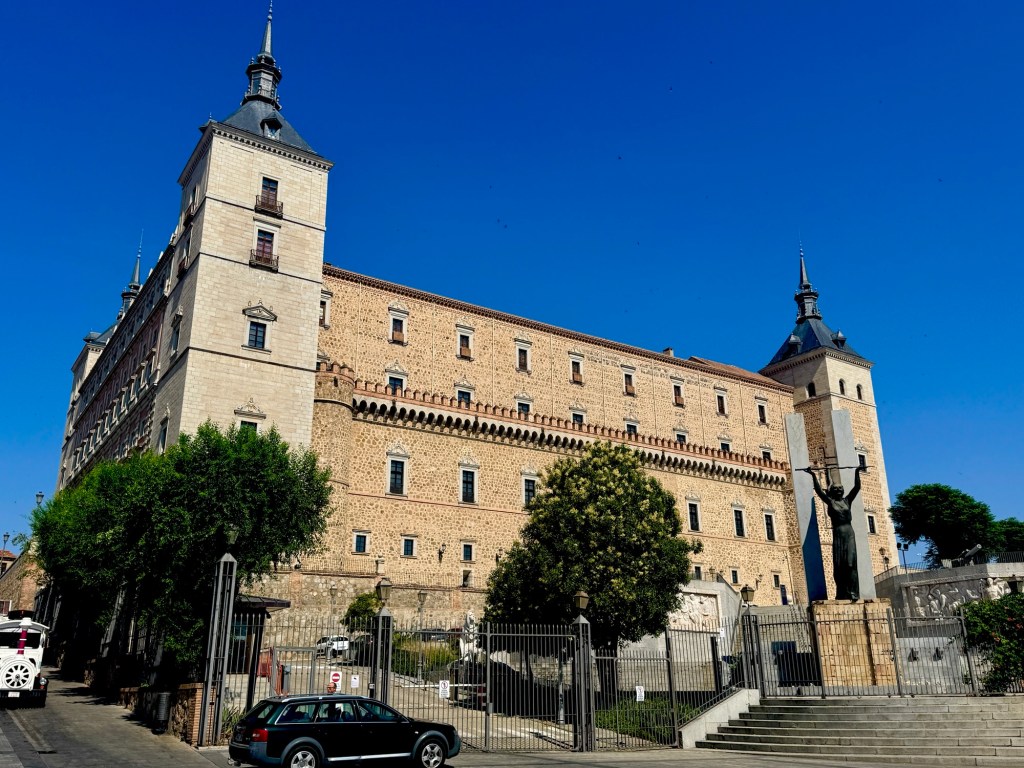
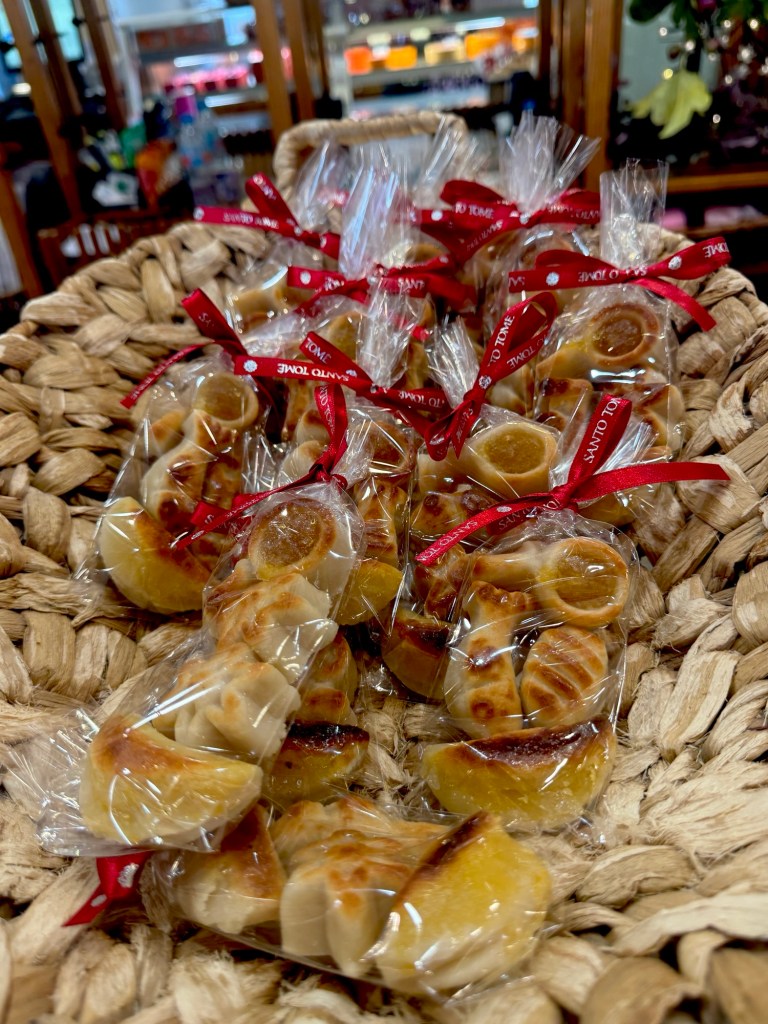
And then finally a stop to pick up some marzipan. History has it that this marzipan is a centuries old recipe created by nuns when they were faced with the hardship of having few ingredients to make food. Well, they had almonds and sugar and that’s all they needed!! Marzipan making has now become an art form, shaped into all kinds of designs. It’s not just a dessert – it’s edible history!!
And now we all meet up again and get back on the bus for the drive into Granada.
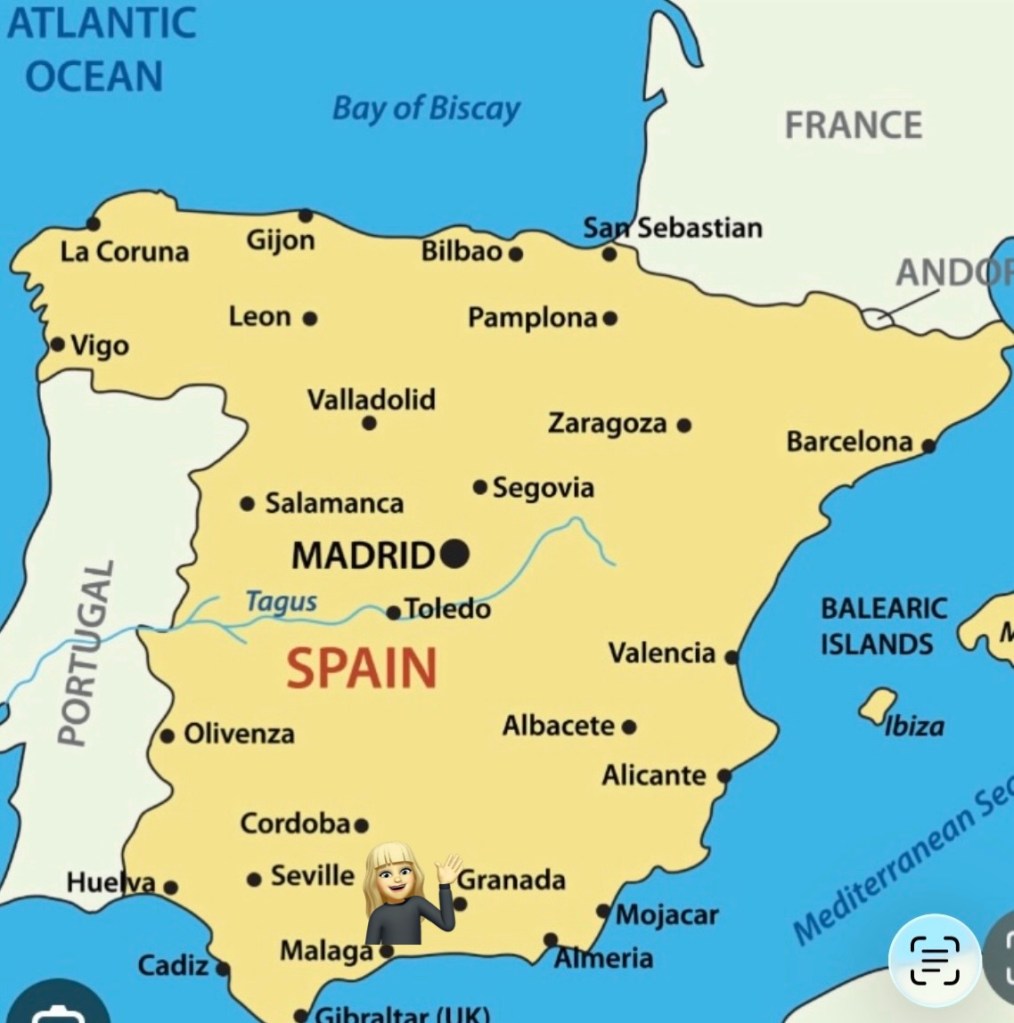
Set against the Sierra Nevada mountains, it’s also another city shaped by many cultures and religions, especially Islamic culture fused with Andalusian customs. It is most famous for the UNESCO listed fortress, The Alhambra. Granada is a center of art, learning and tradition and a top spot to check out Spanish tapas and local wine.
As we’ve done in so many cities, we make a stop at a gorgeous viewpoint, with the Alhambra sparkling in the background.
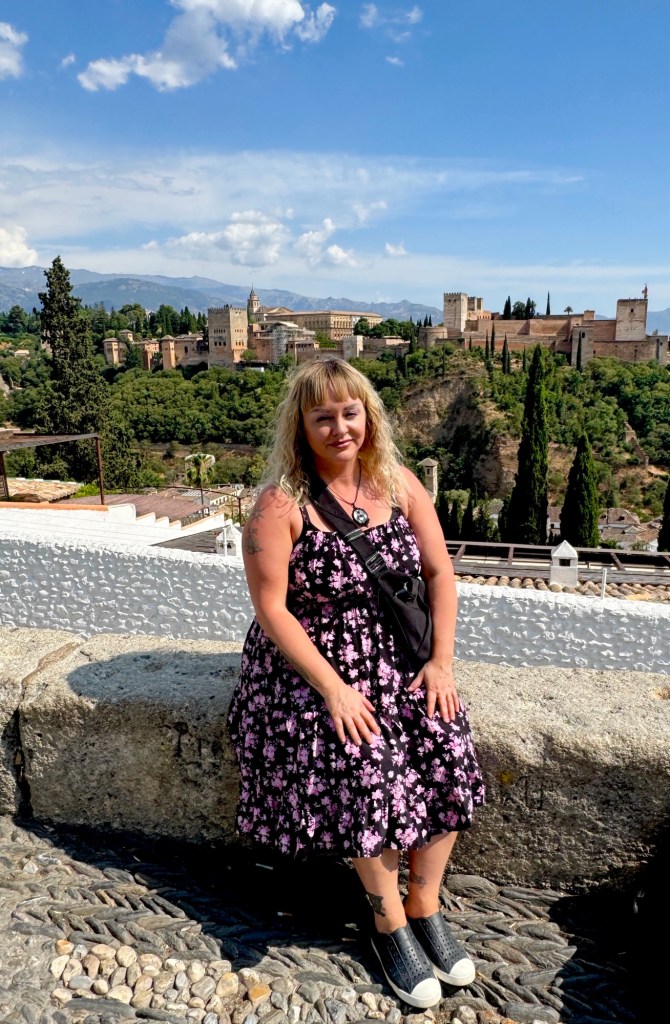
Then Gustavo takes us on a walk through the Albaicin, which is the old Arab quarter.
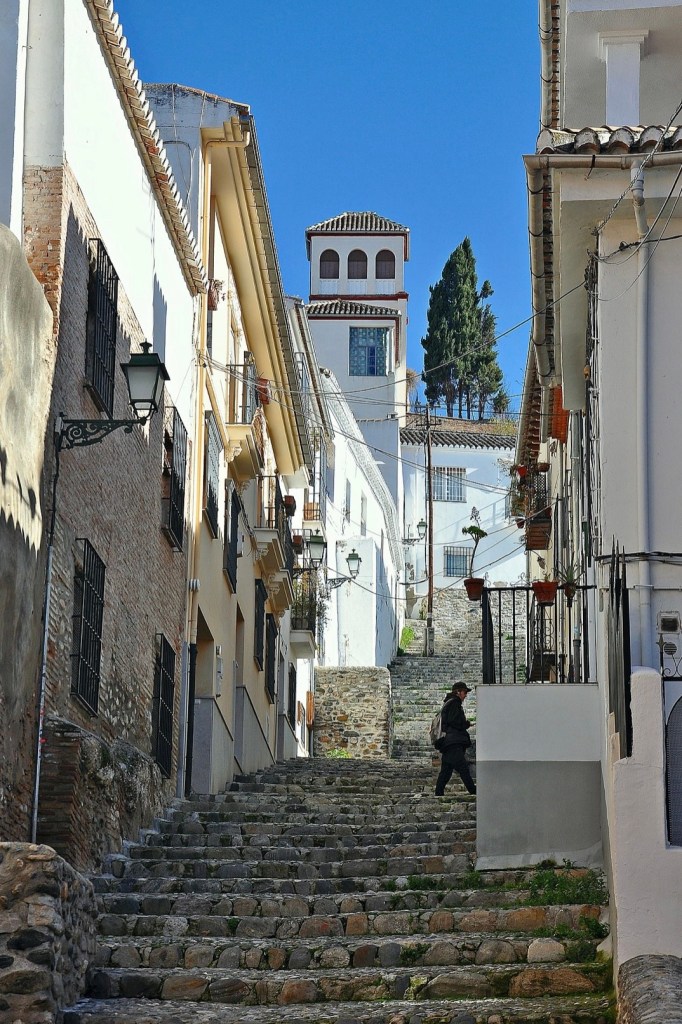
This area has retained its medieval street plan from back in the 13th century.
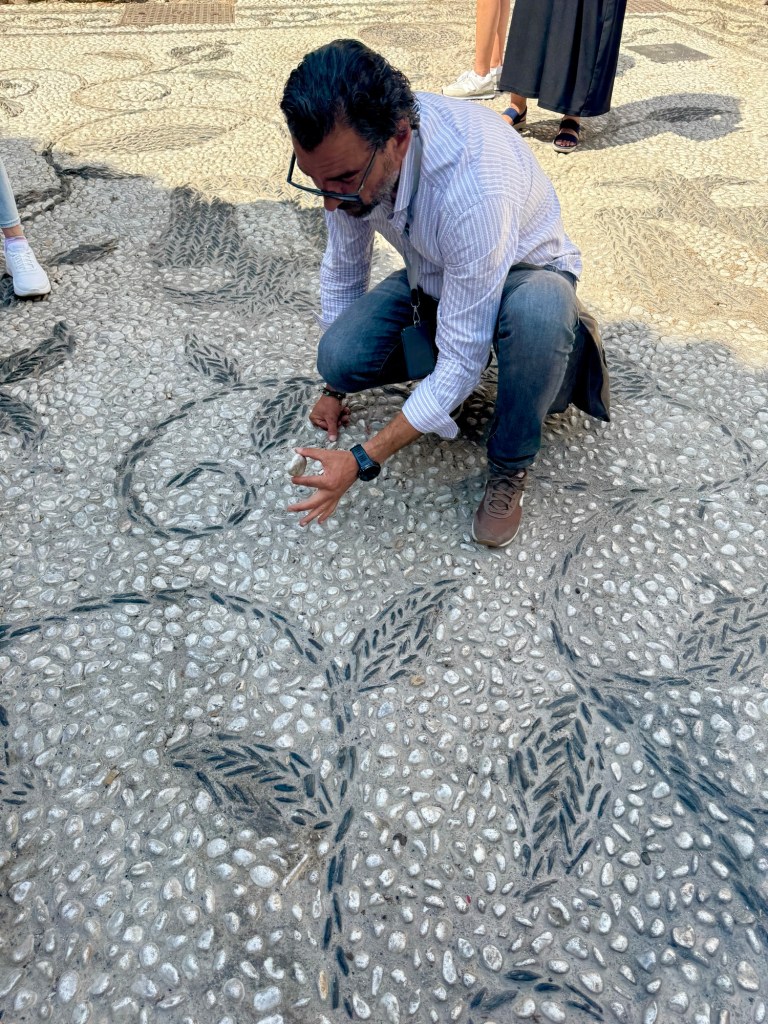
We wander through the narrow cobblestone streets, walking past the whitewashed houses and plazas. Gustavo tells us about the houses called “carmens” which is a traditional style house that contains a small orchard or garden.
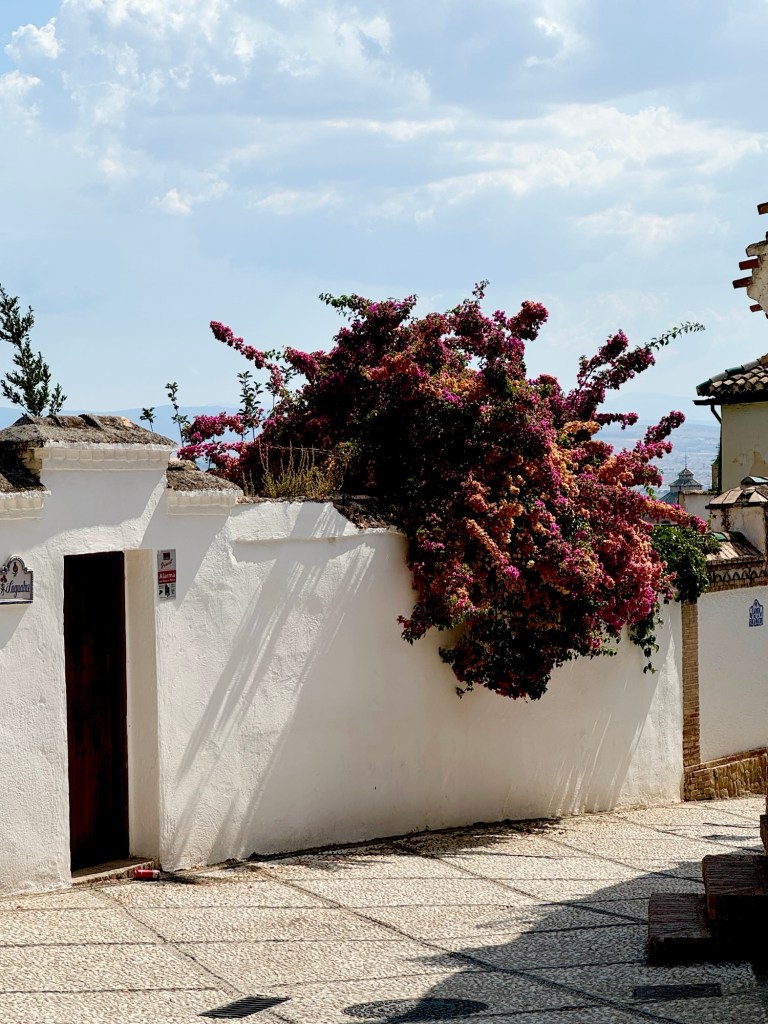
As we descend through the Albaicin, we end up in one of the main squares of Granada, and have some free time to wander around before dinner. I head over to the beautiful cathedral to have a quick look.
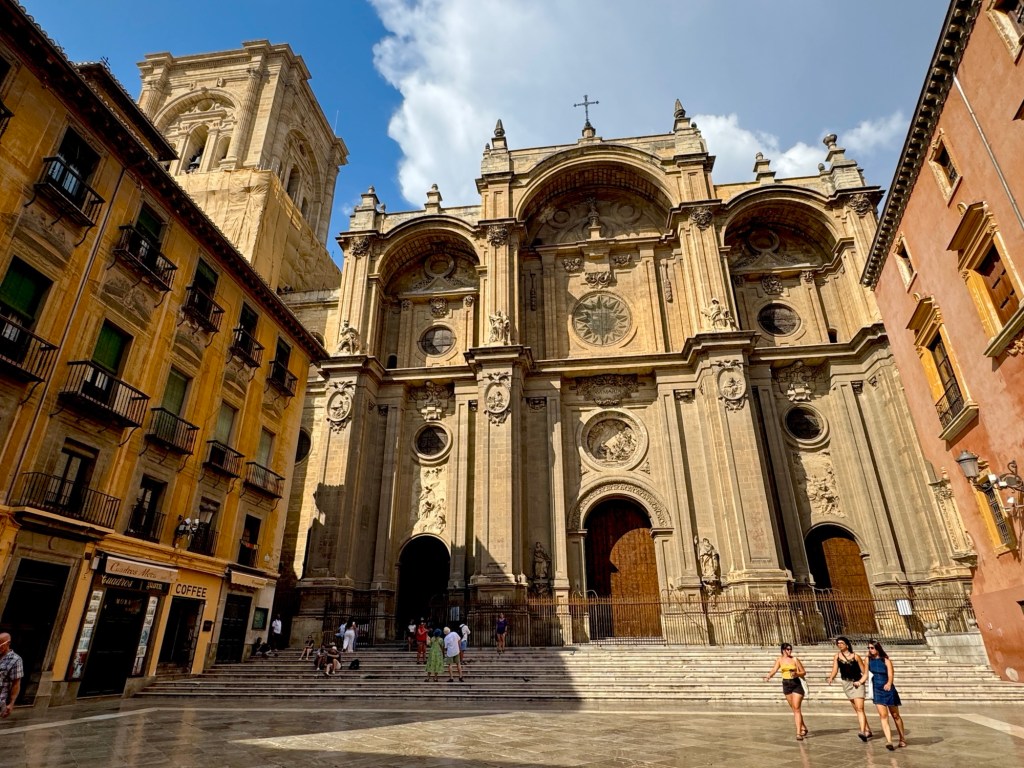
I do a bit of shopping around the square and La Alcaiceria, a former Moorish silk market that is now a maze of shops.
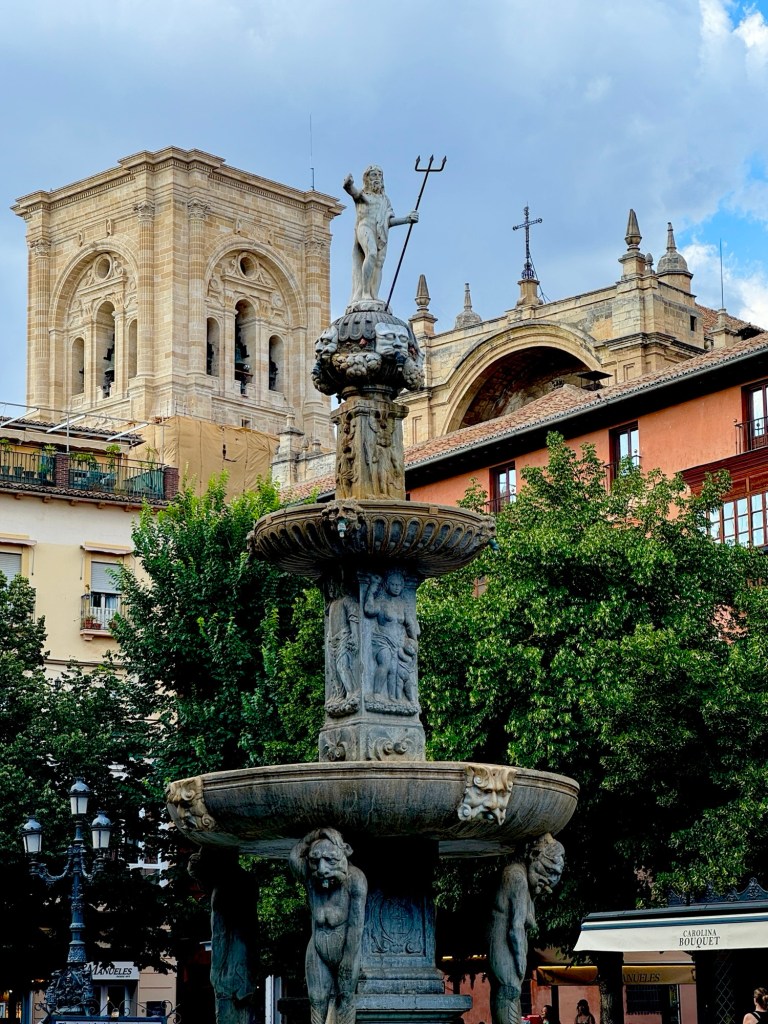
Fun Fact: the unique symbol of Granada is the pomegranate. It appears on many things around the city, on the flag, and you’ll find an abundance of pomegranate trees around the town. Did you know the Spanish word for pomegranate is Granada? See what they did there? Haha.
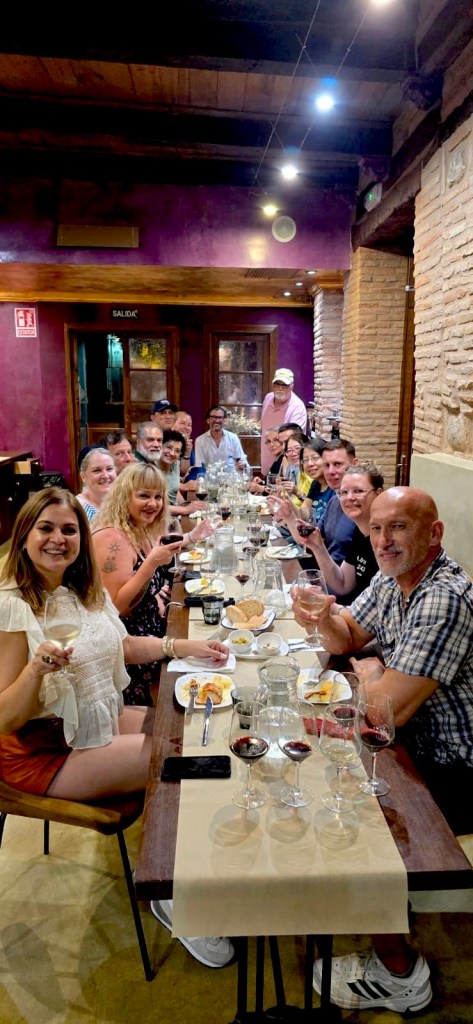
For tonight, there is an optional dinner package available, or we can go off on our own for a couple hours. I wasn’t going to do this dinner, but last minute I decide to join and it is sooo amazing. We make our way to the famous and historic tapas bar called Antigua Bodega Castaneda, where we are treated to 4 small courses with 4 wine pairings, while learning about the history of the local cuisine and wine production . Now, I don’t recall what all of these plates are, so bear with me. Here’s some pics.
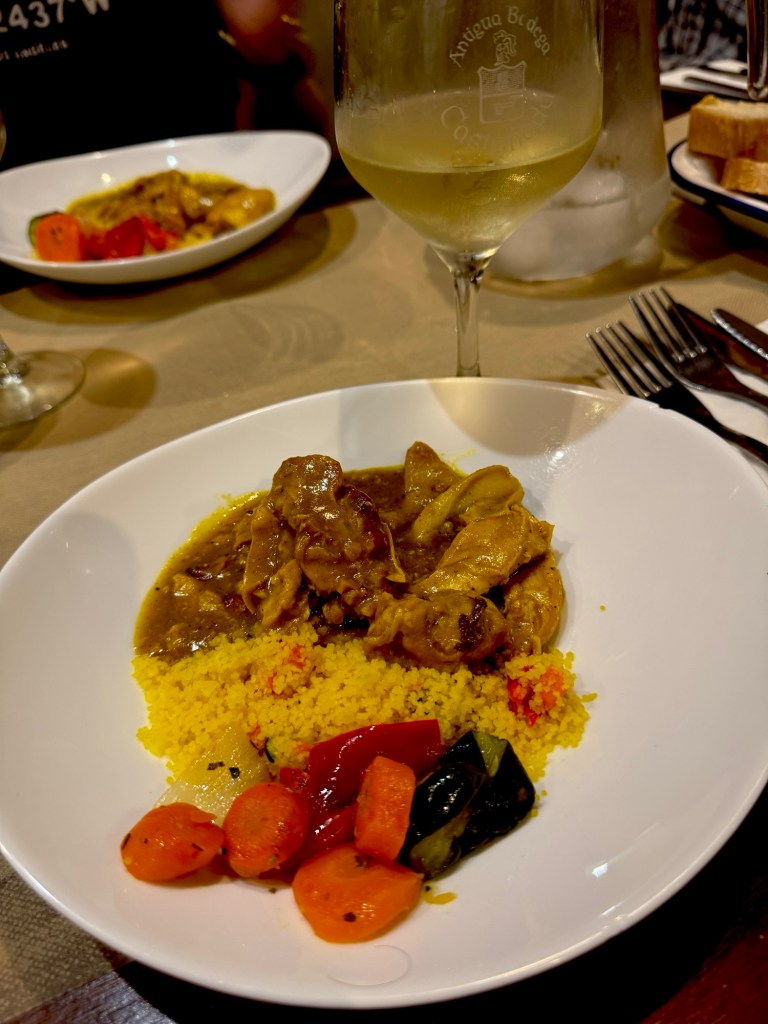
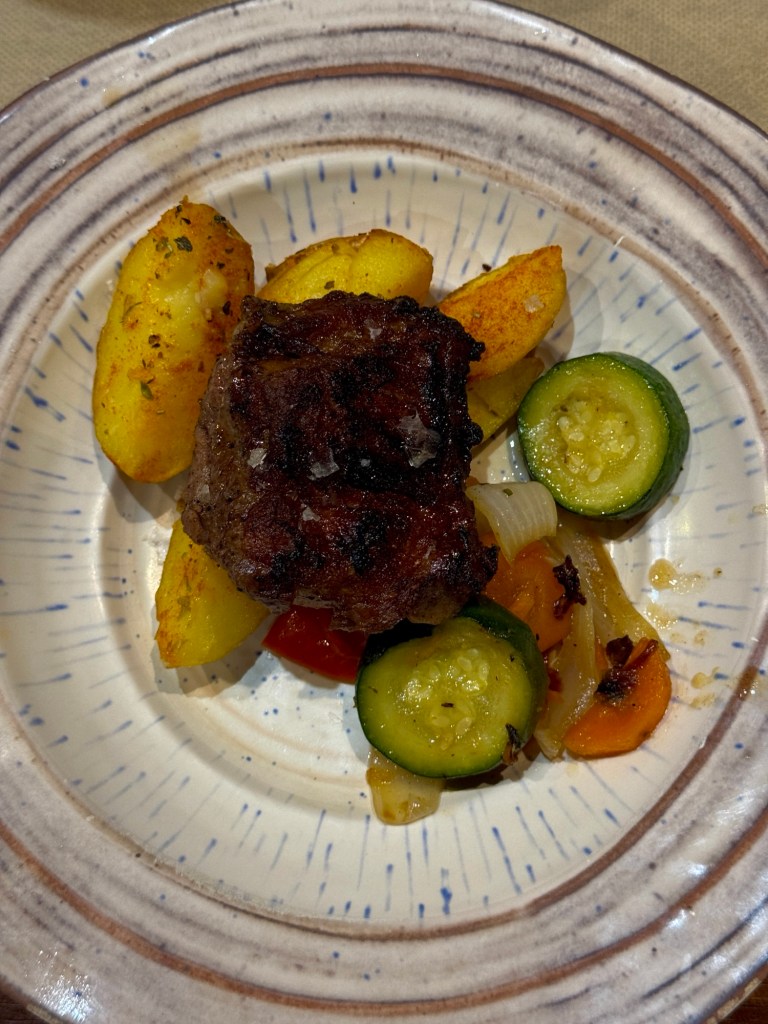
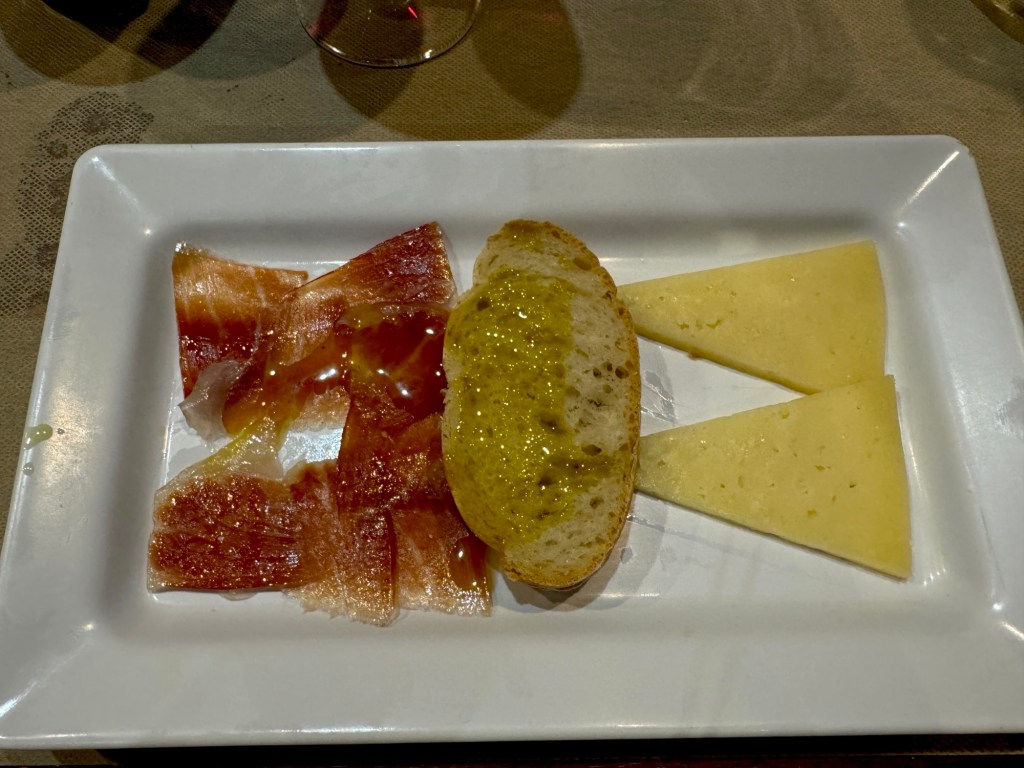
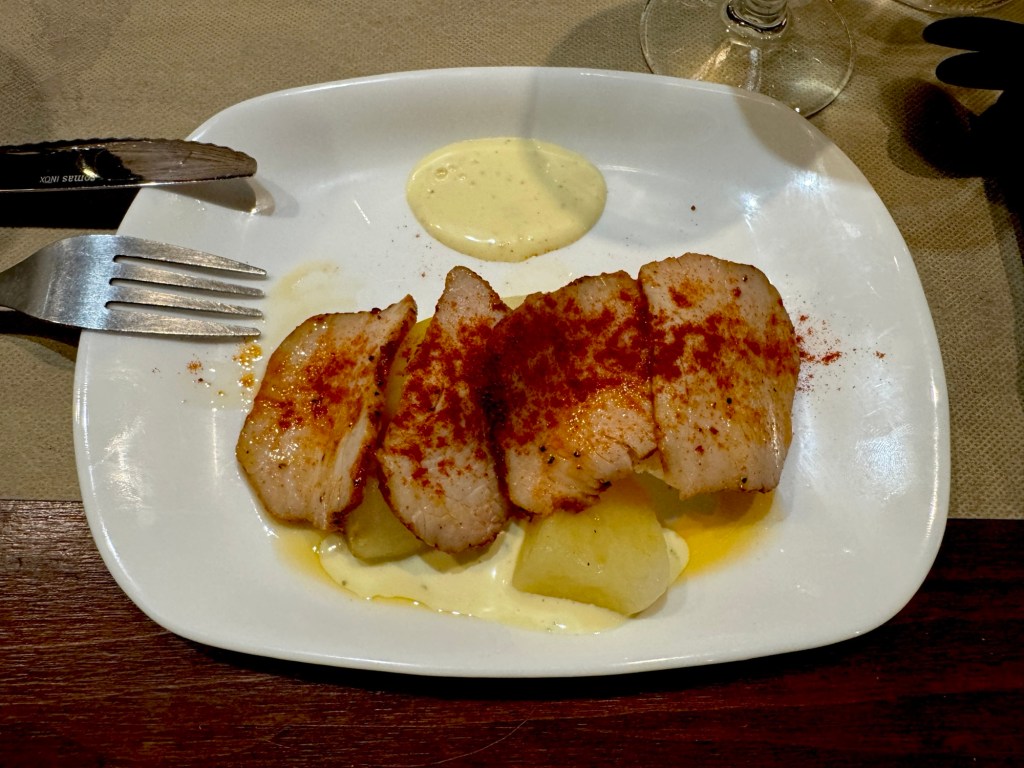
I should have written it all down, but all I know for sure is we have an abundance of wine and the food is amazing. Perfect way to end the evening.

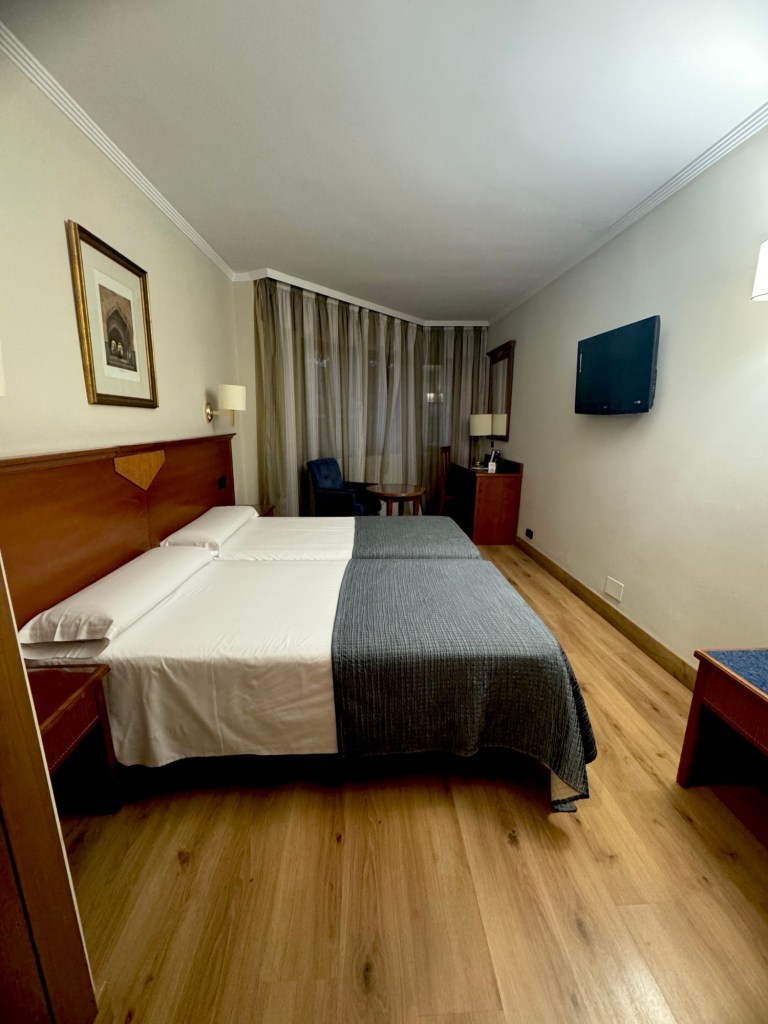
Our hotel is the Porcel Alixares; the room is pretty basic
But it’s a very short walk to the entrance to the Alhambra, which we are exploring this next morning.
The Alhambra is an absolutely gorgeous palace and fortress complex, sitting above the city of Granada. Built in the 13th century it was the seat of Moorish rulers, and it is one of the finest surviving examples of Islamic architecture in Europe.
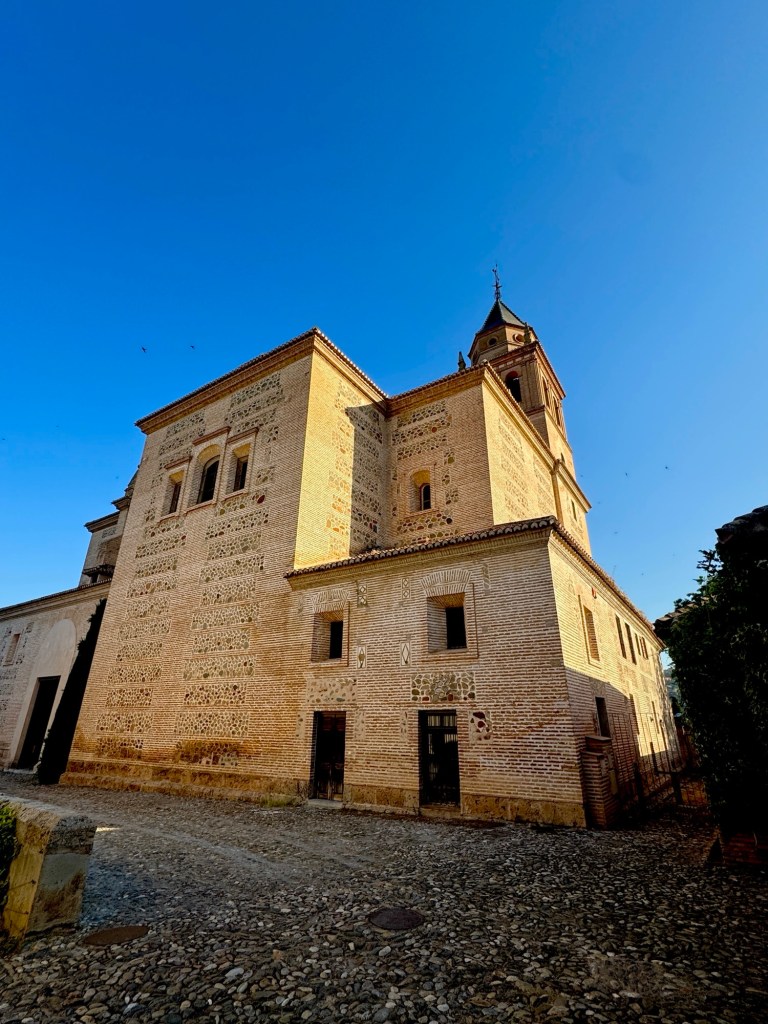
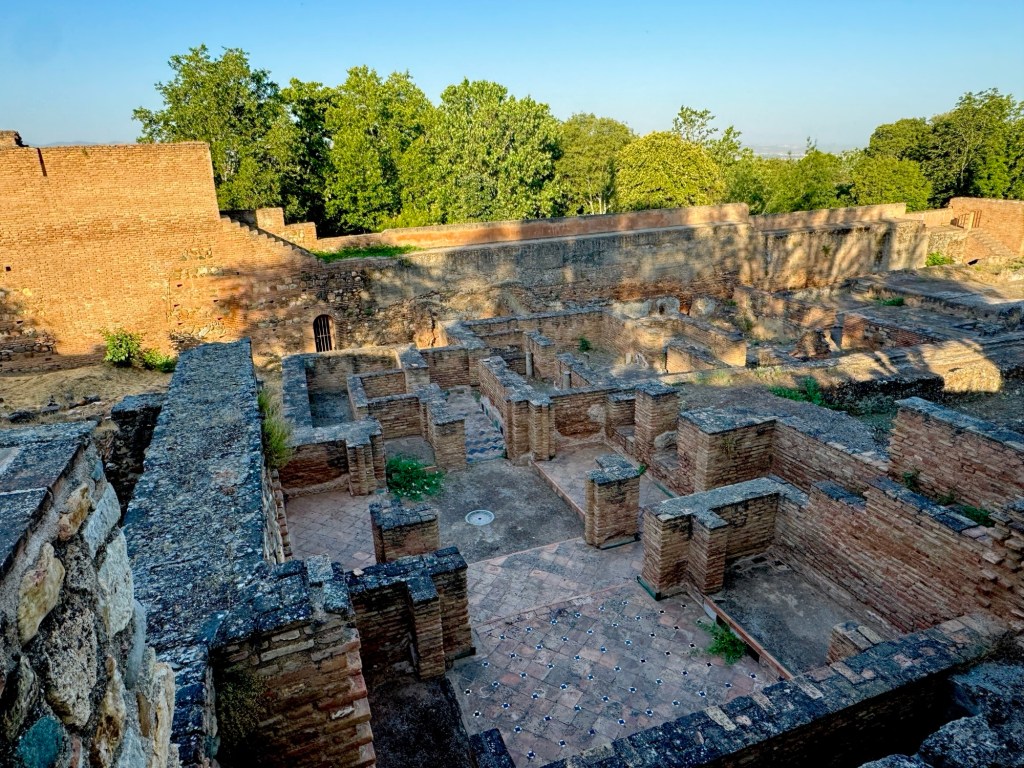
First we walk past some ruins
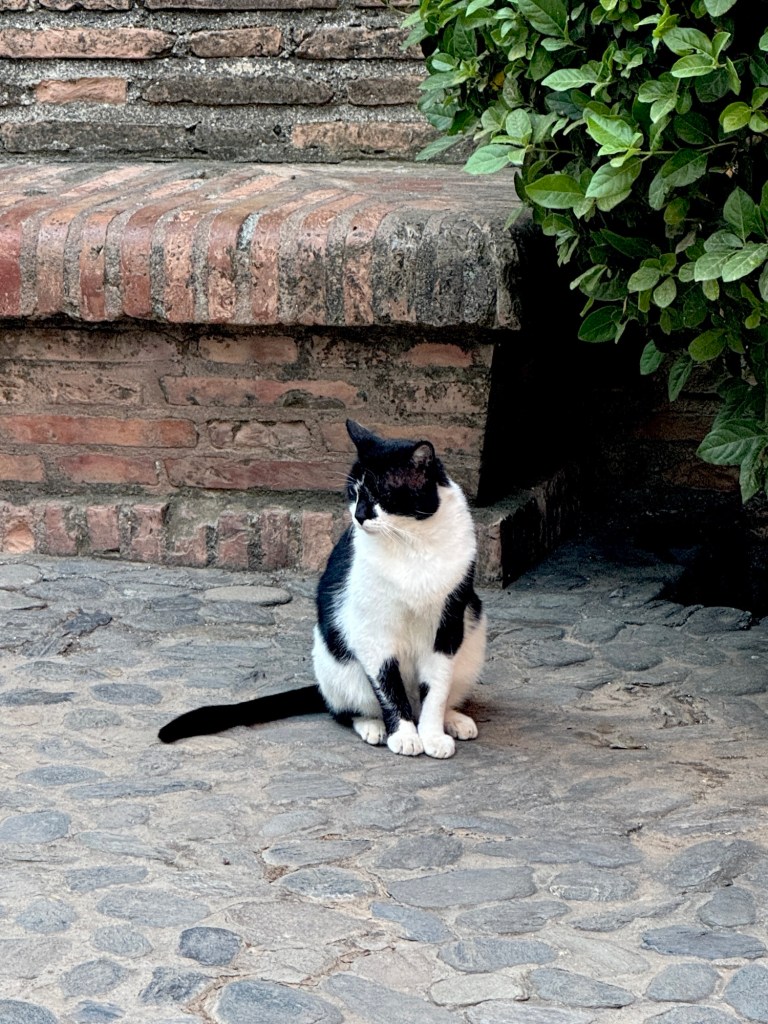
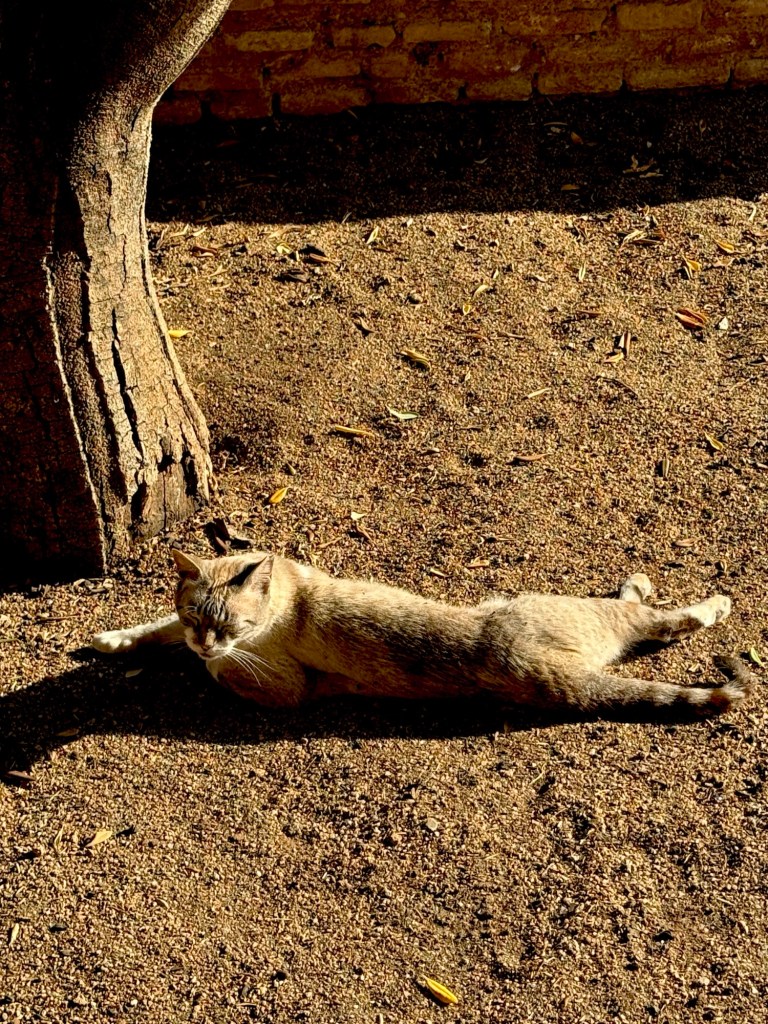
And meet some locals.
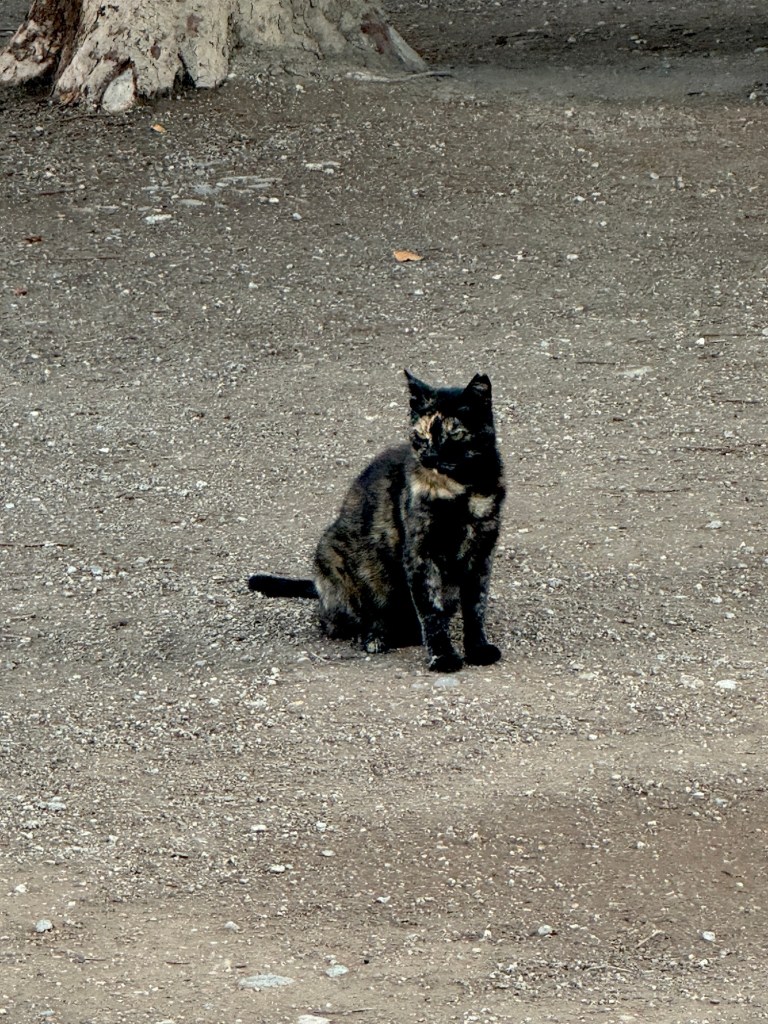
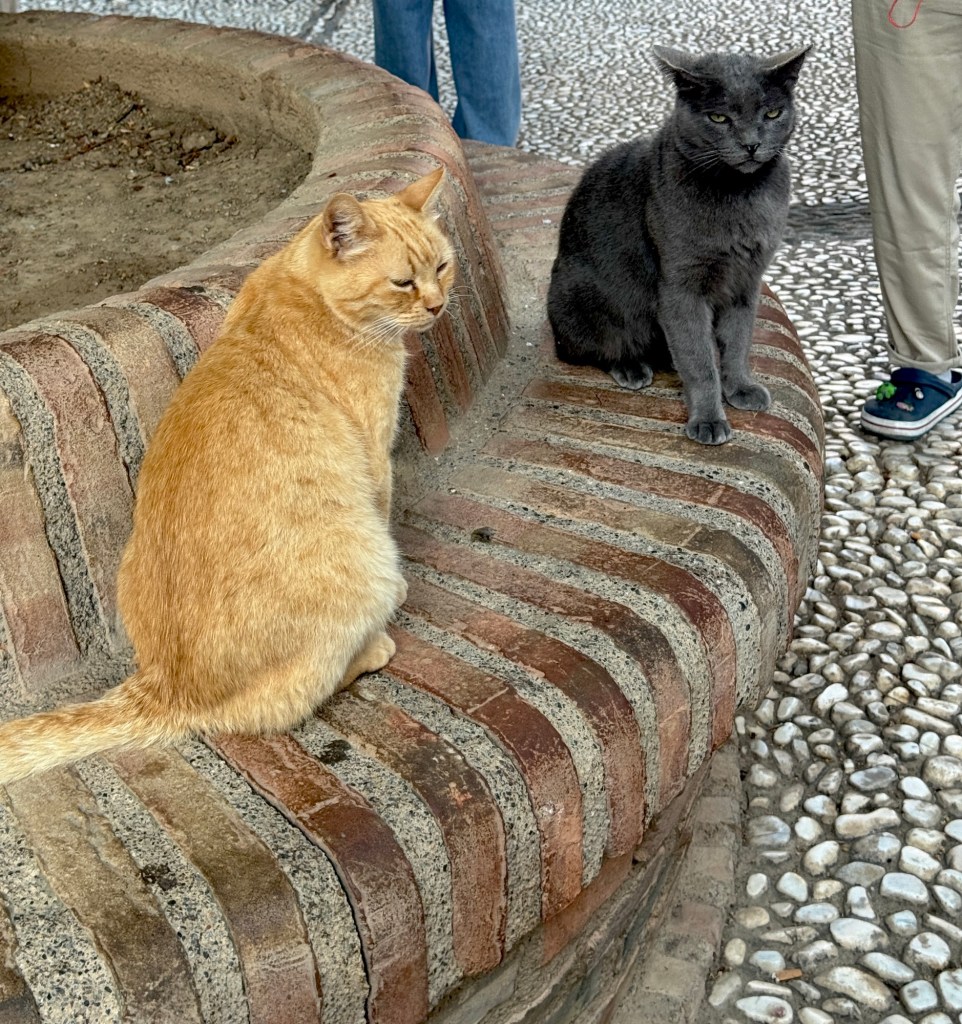
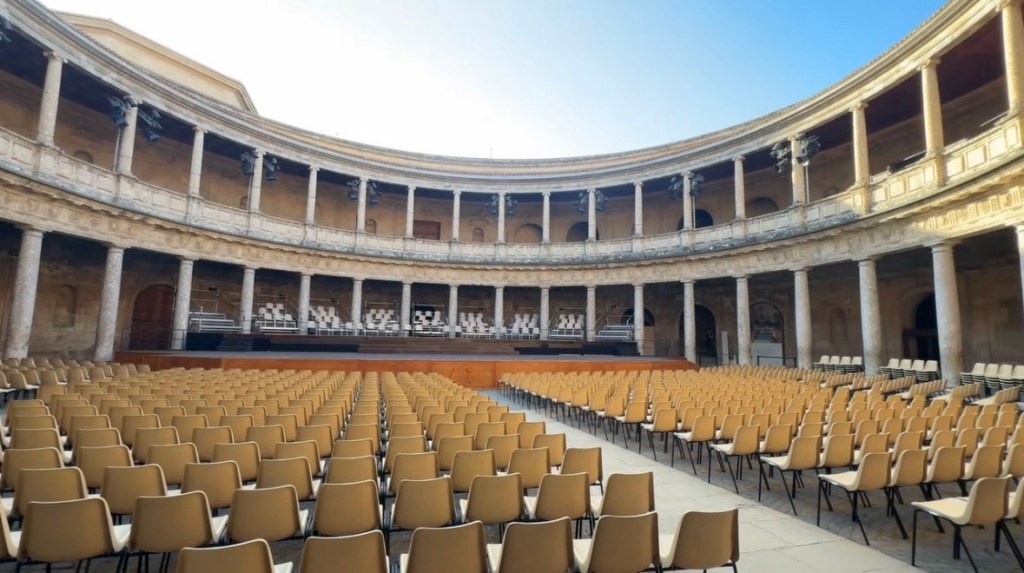
Next up…The Renaissance Palace of Charles V
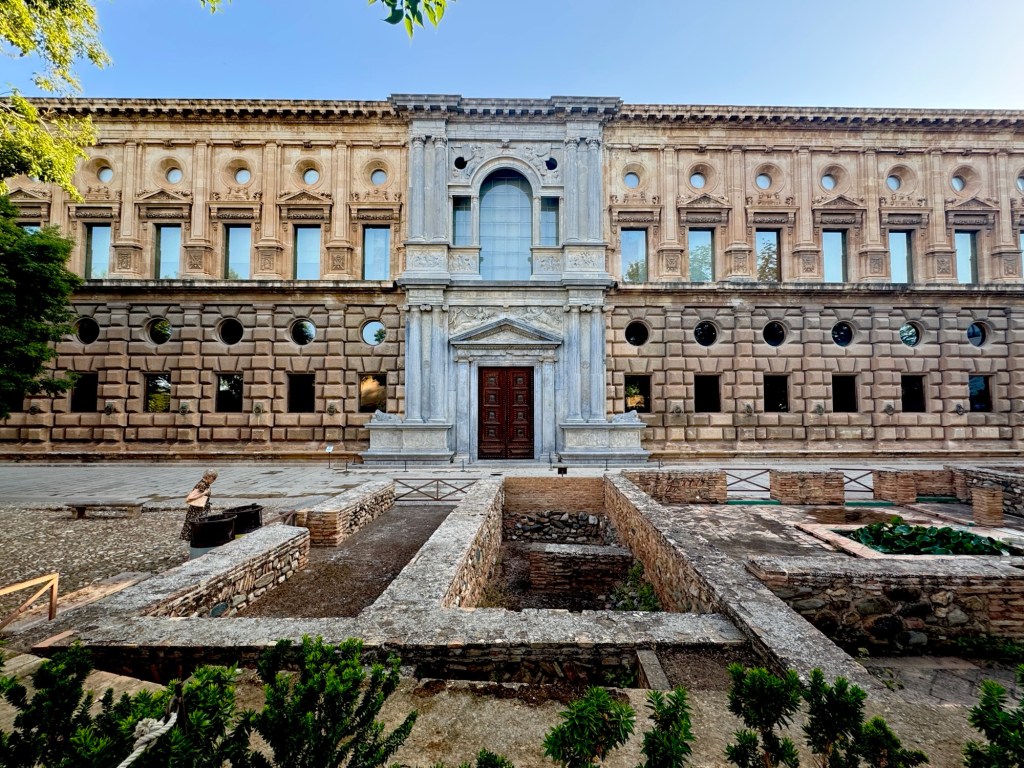
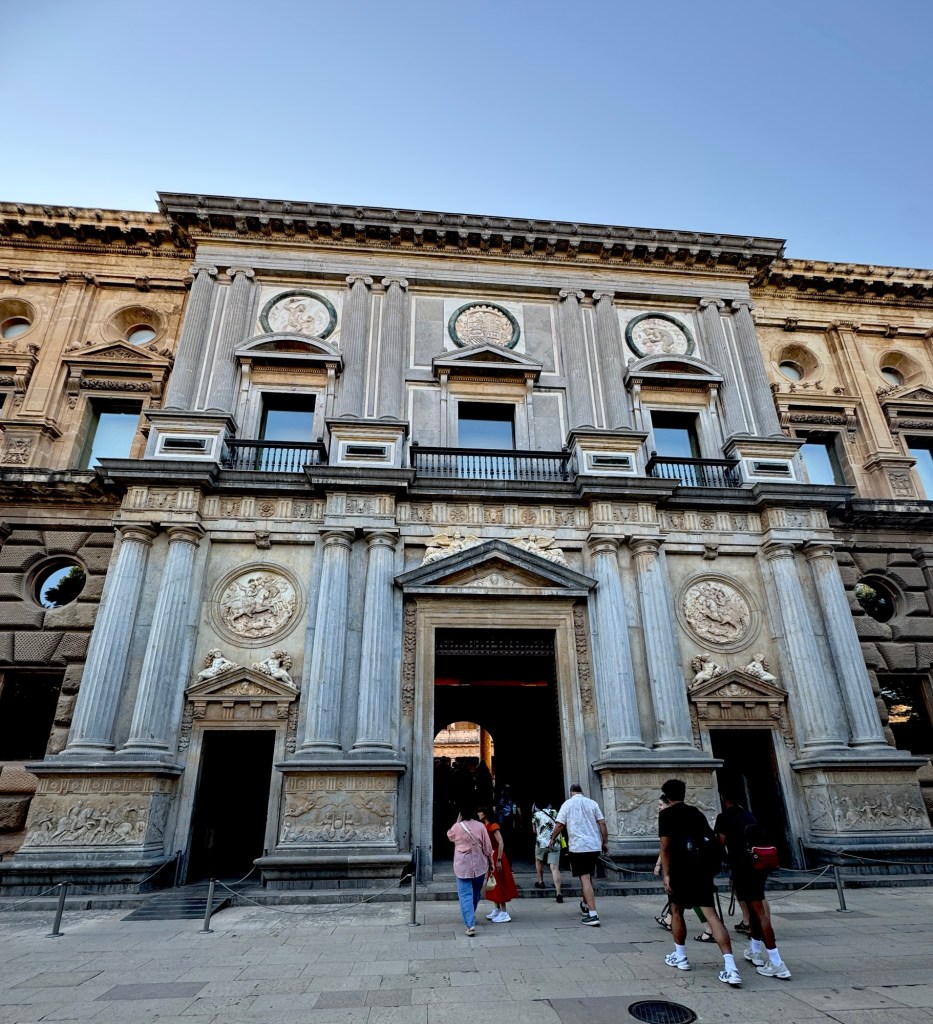
It houses two museums and features this beautiful patio.
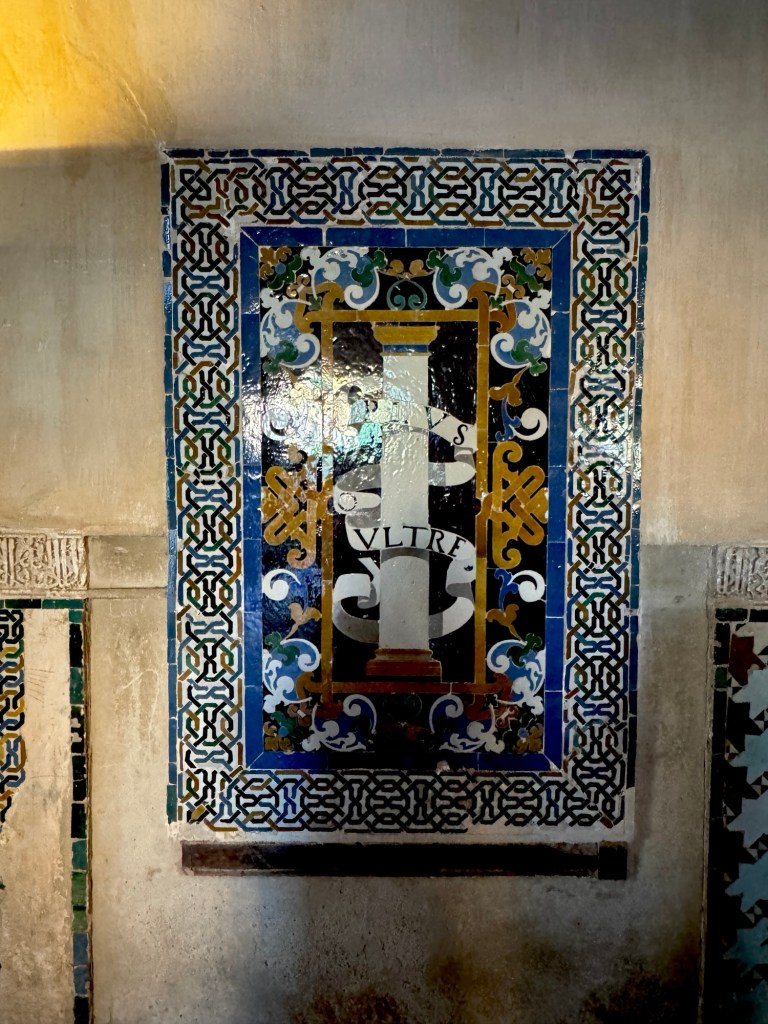
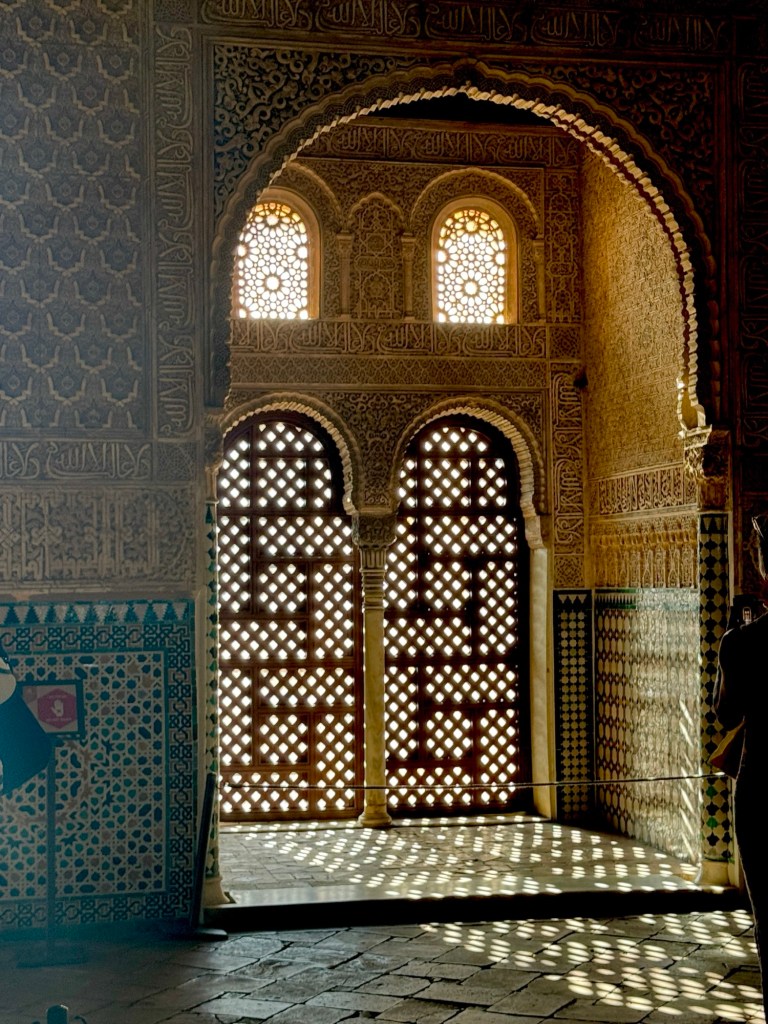
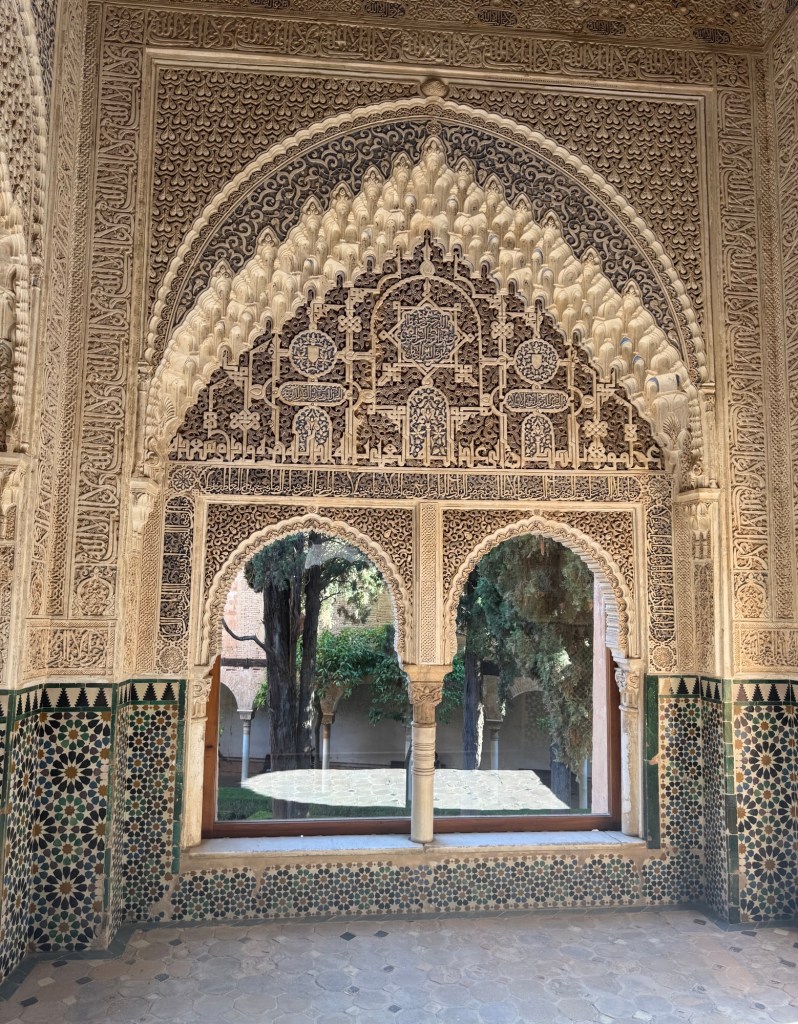
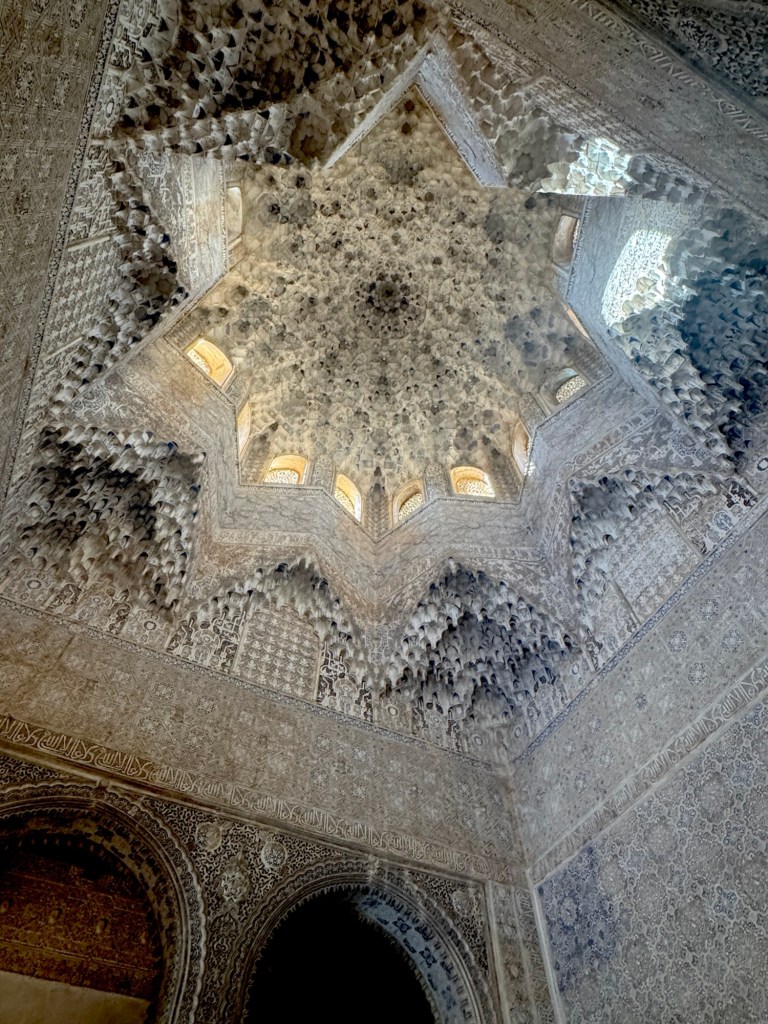
One of the main attractions are the Nasrid Palaces, which symbolize the high point of Nasrid(the first Islamic rulers of Spain) art and culture. Inside, you’ll find amazing mosaics and tilework.
Some cool water features
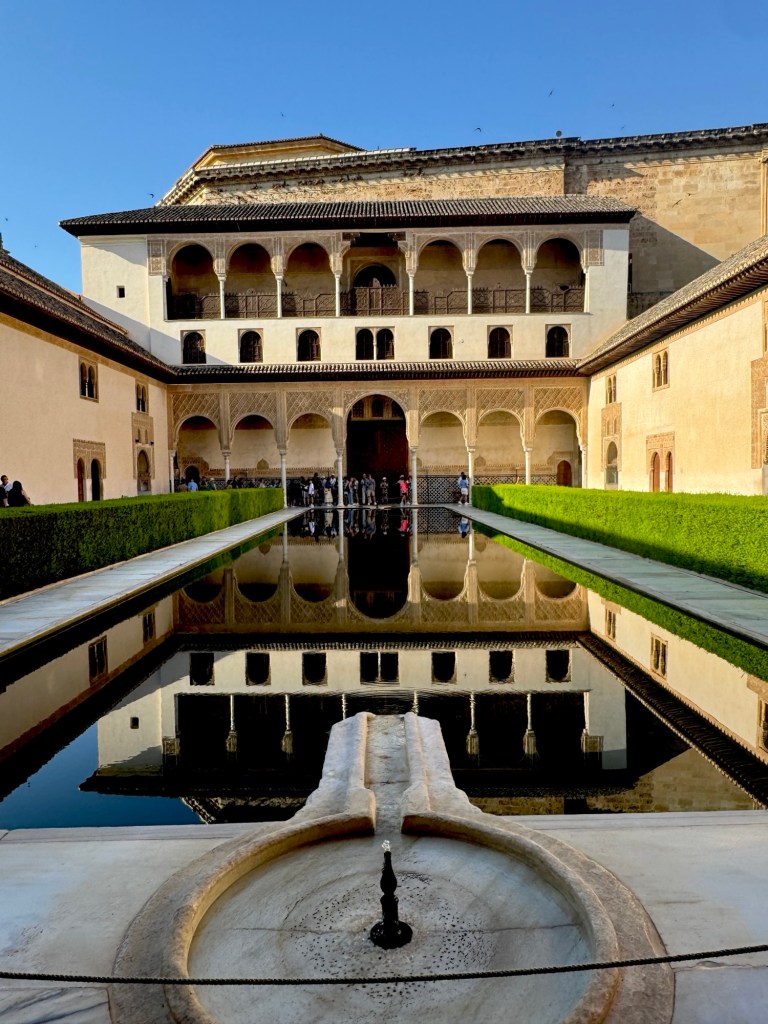
and the amazing Palace of the Lions.
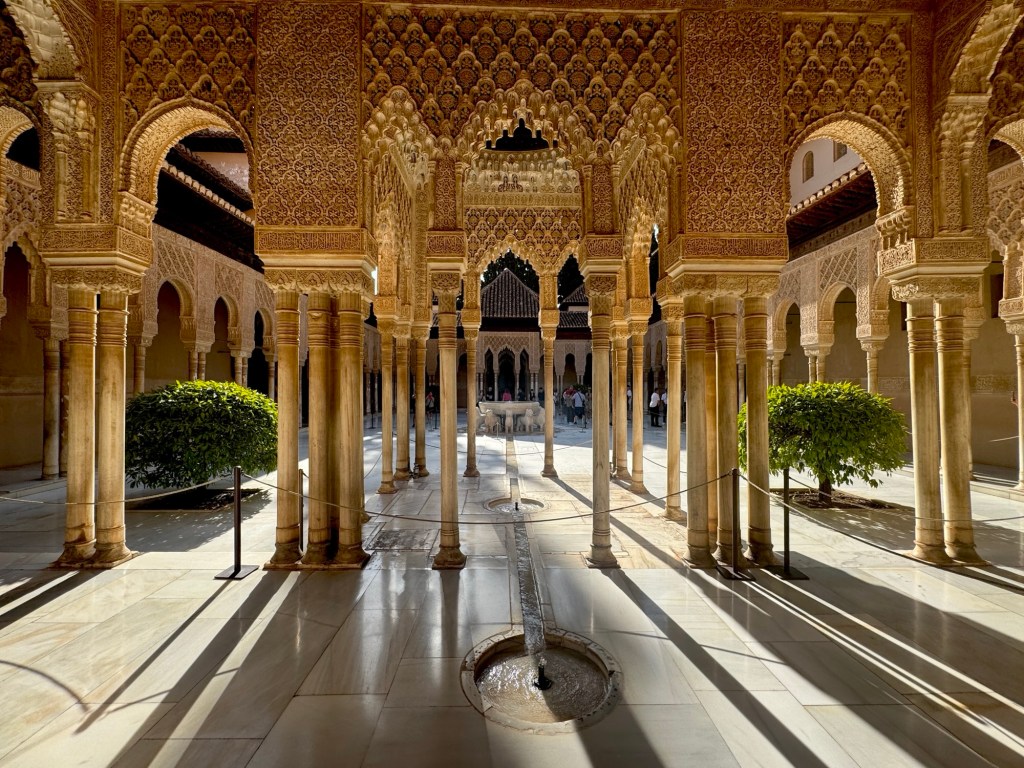
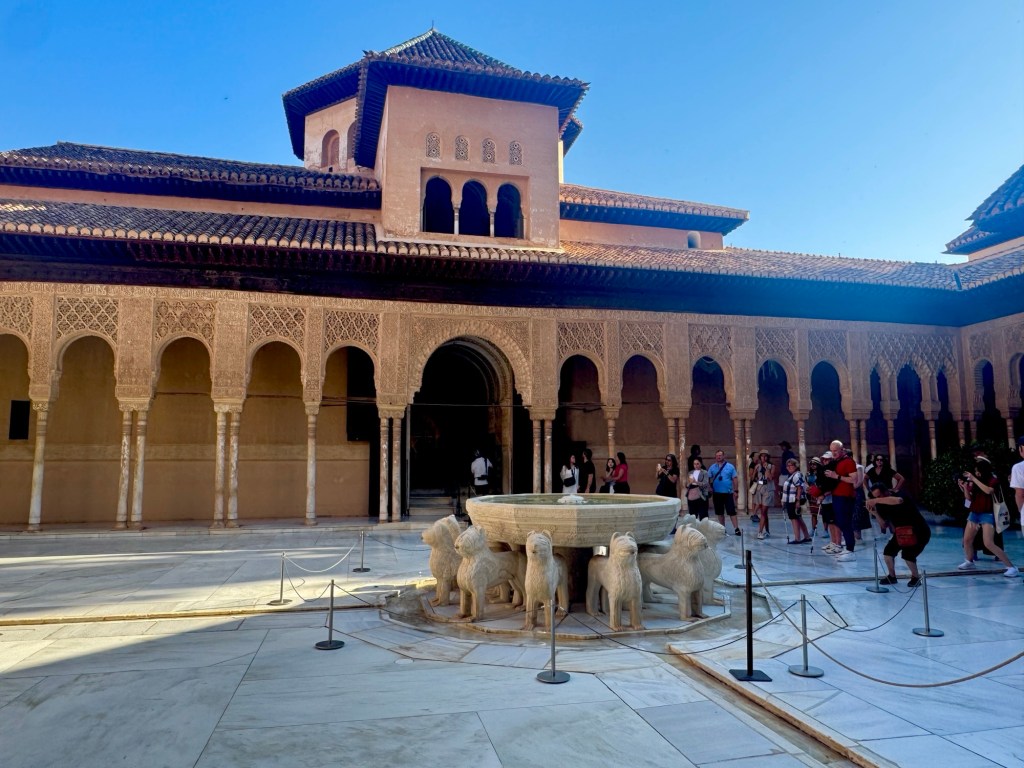
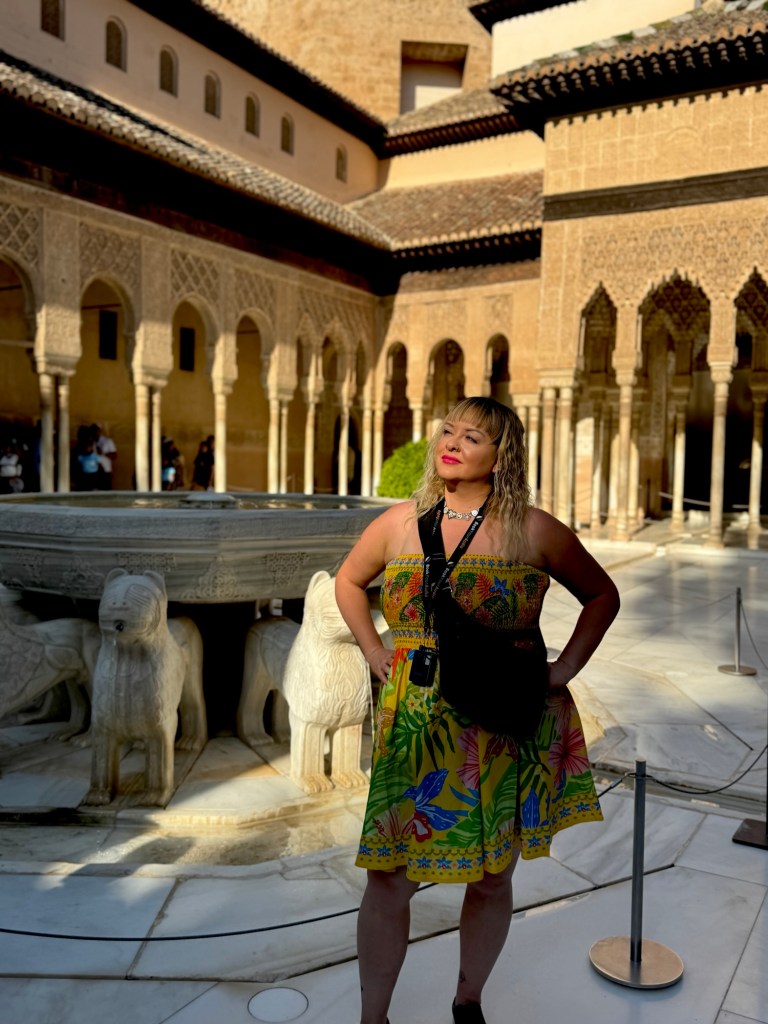
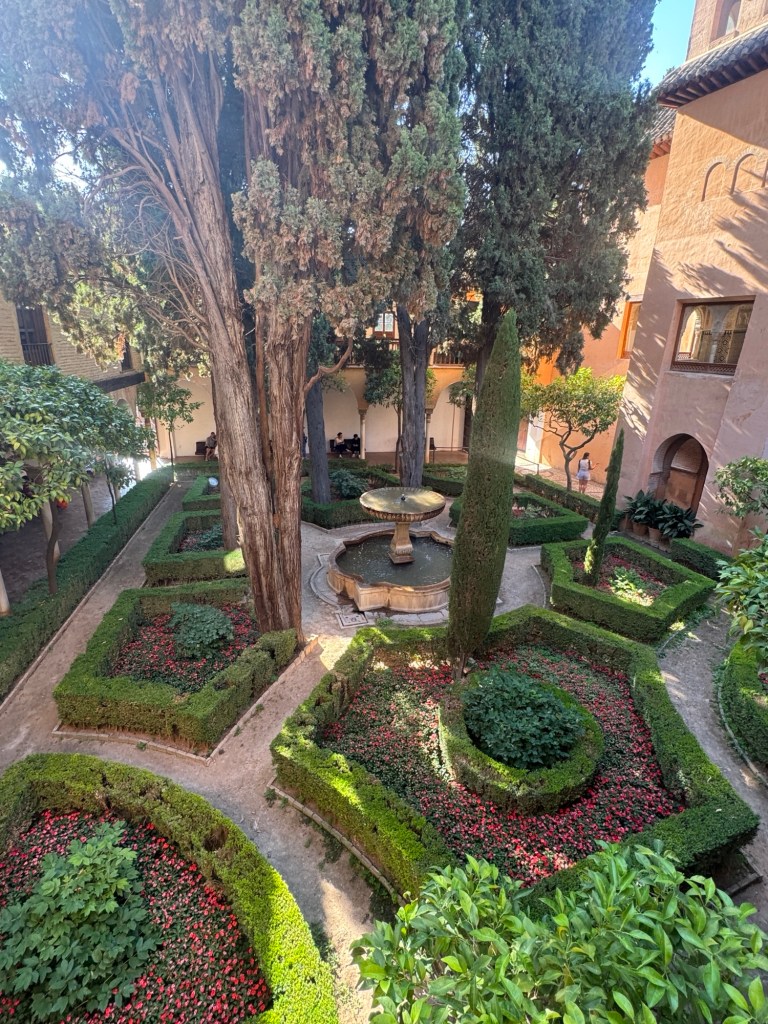
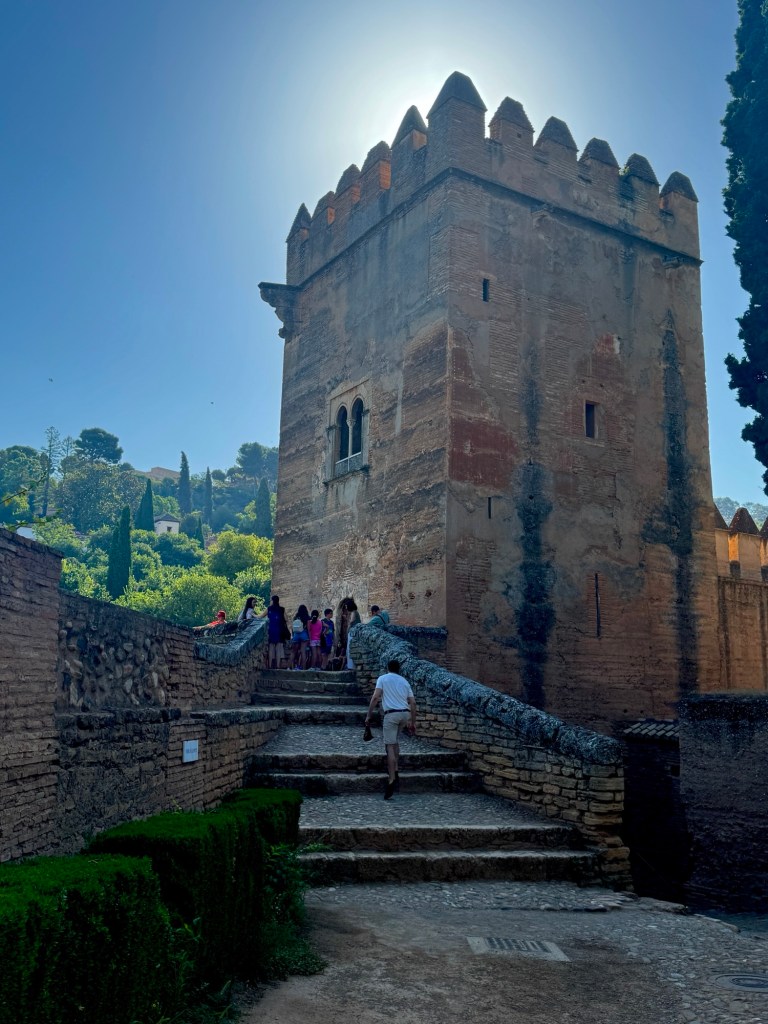
The details are just breathtaking
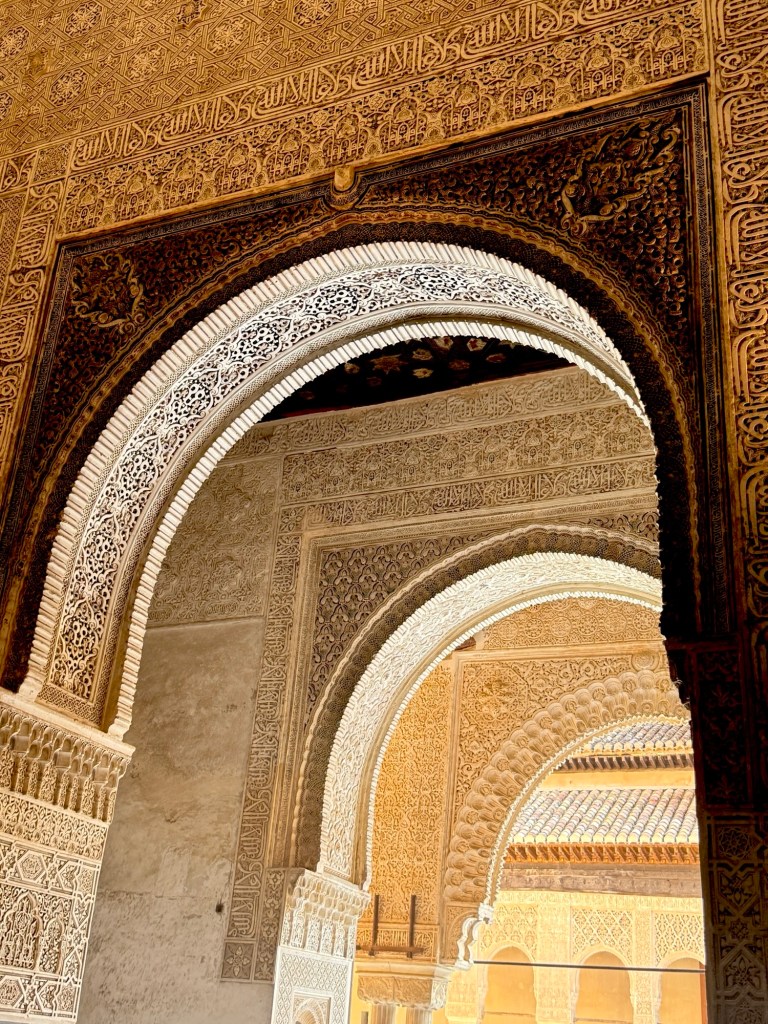
Onto the Partal Palace, which is the oldest surviving palatial structure here in the complex.
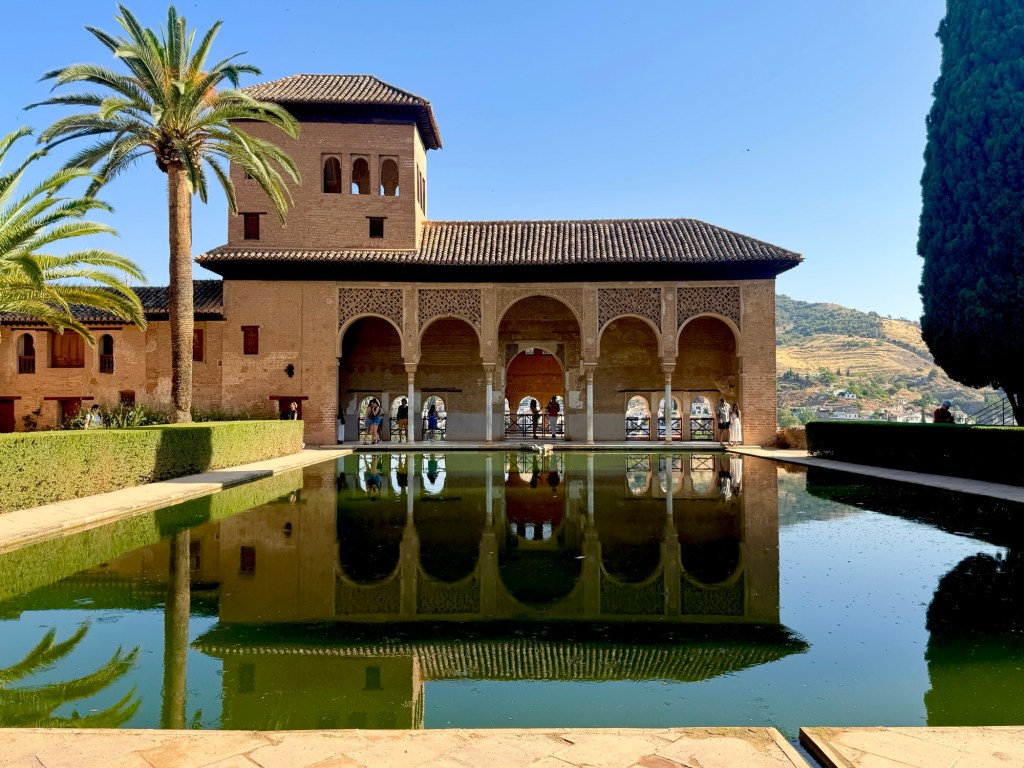
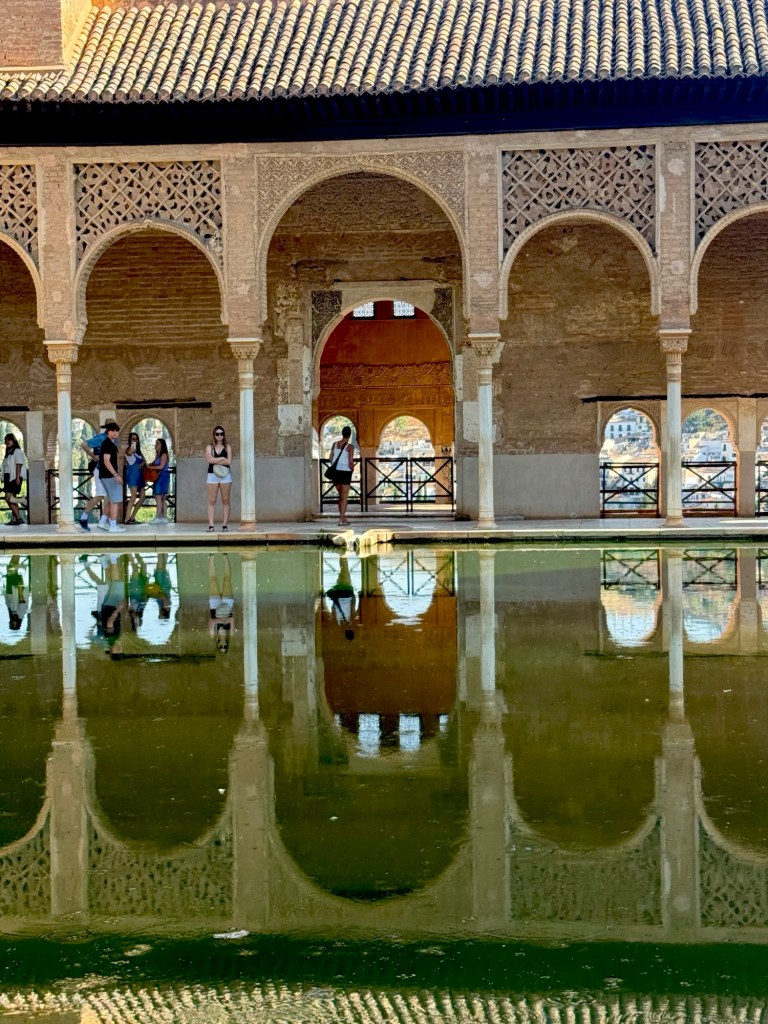
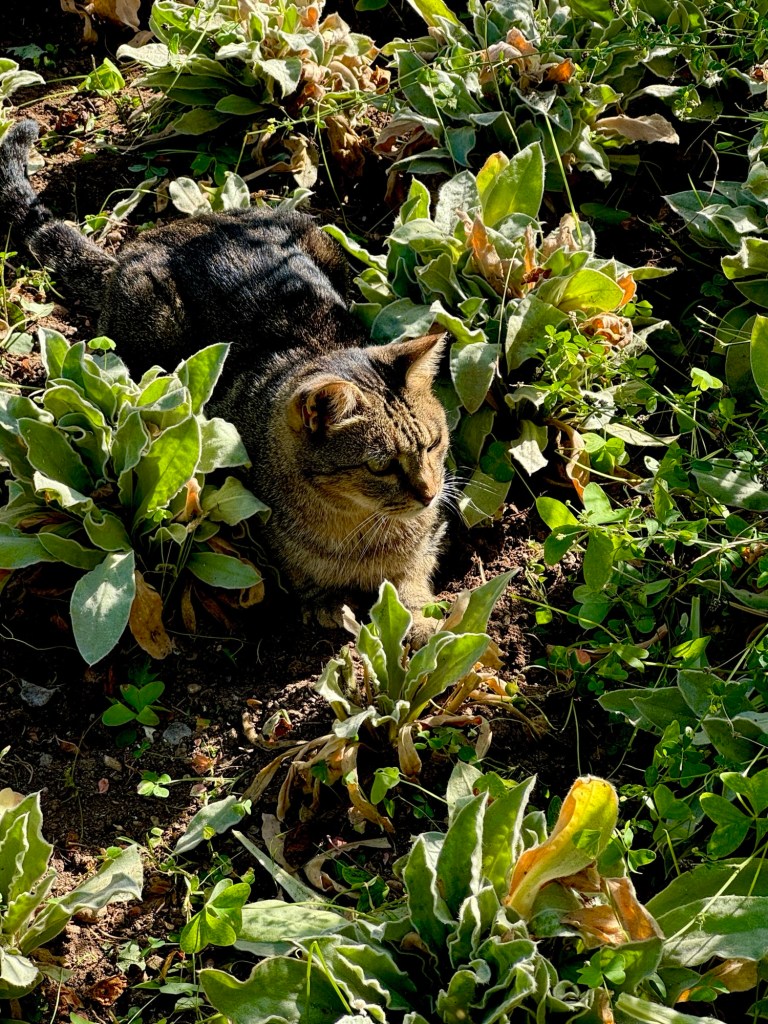
There are also some pretty gardens/flowers…and a few kitties
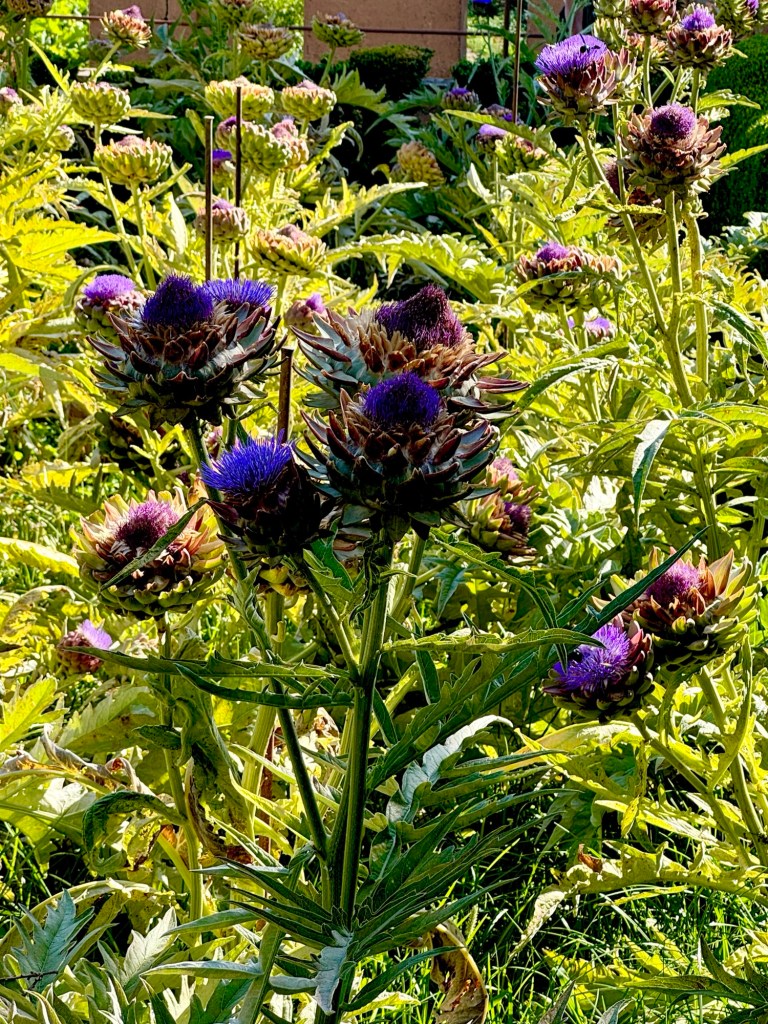
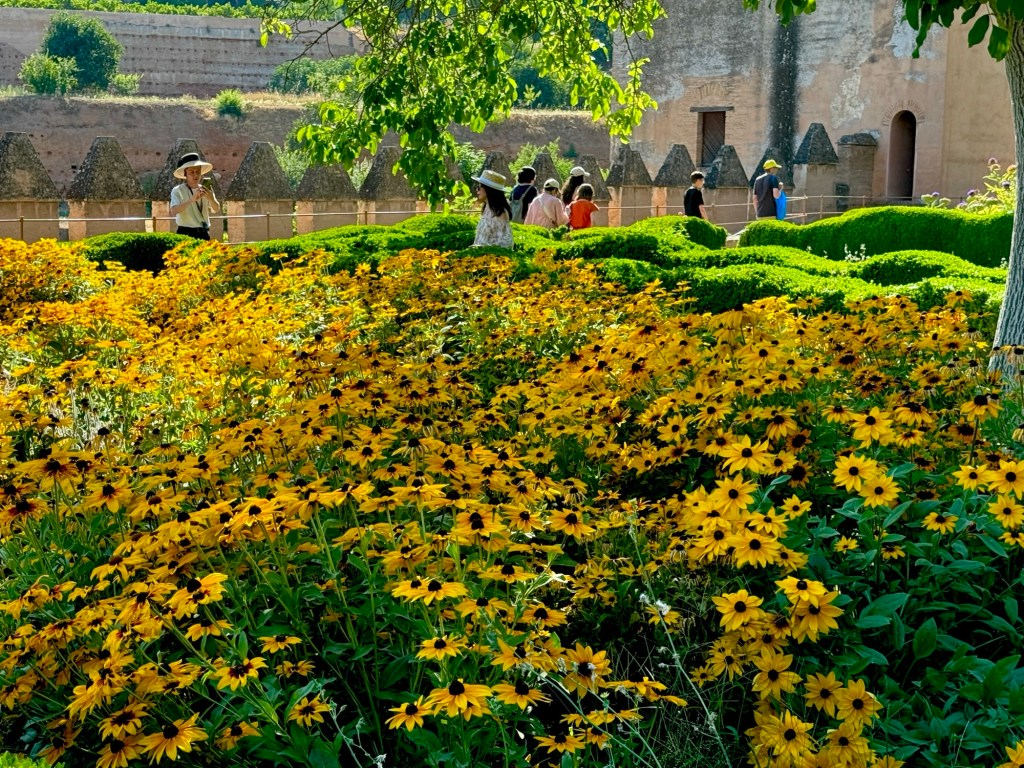
The final stop on our guided tour of the Alhambra is the Generalife, a summer palace and country estate for the Nasrid rulers. It is seriously so gorgeous. The gardens…
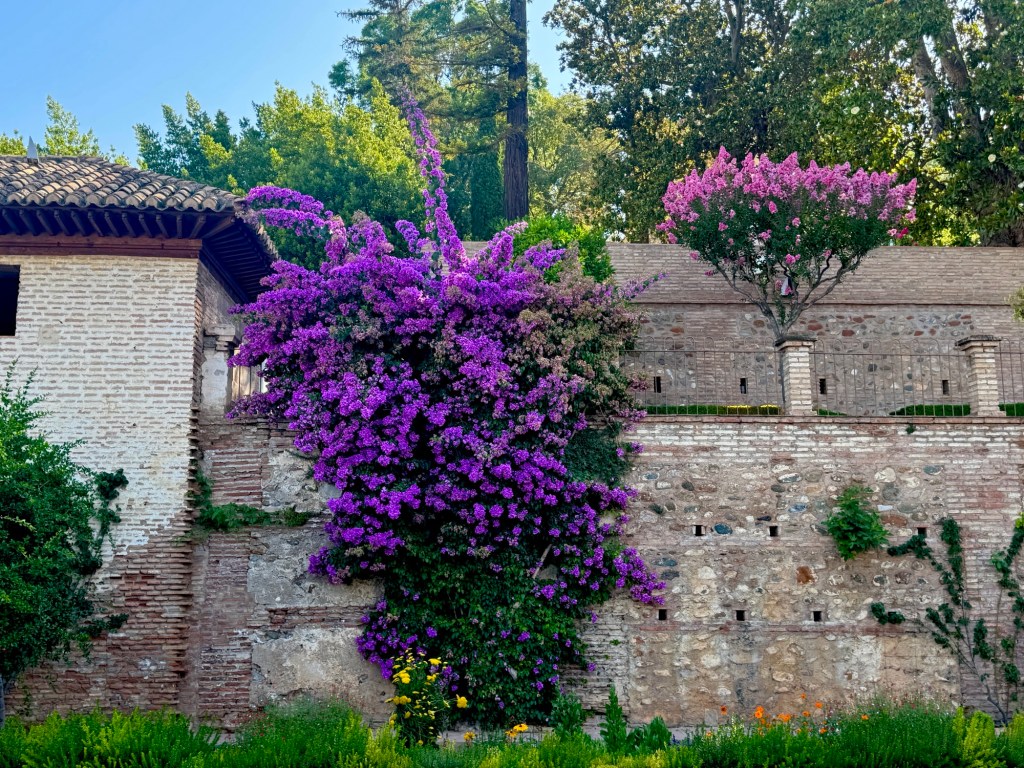
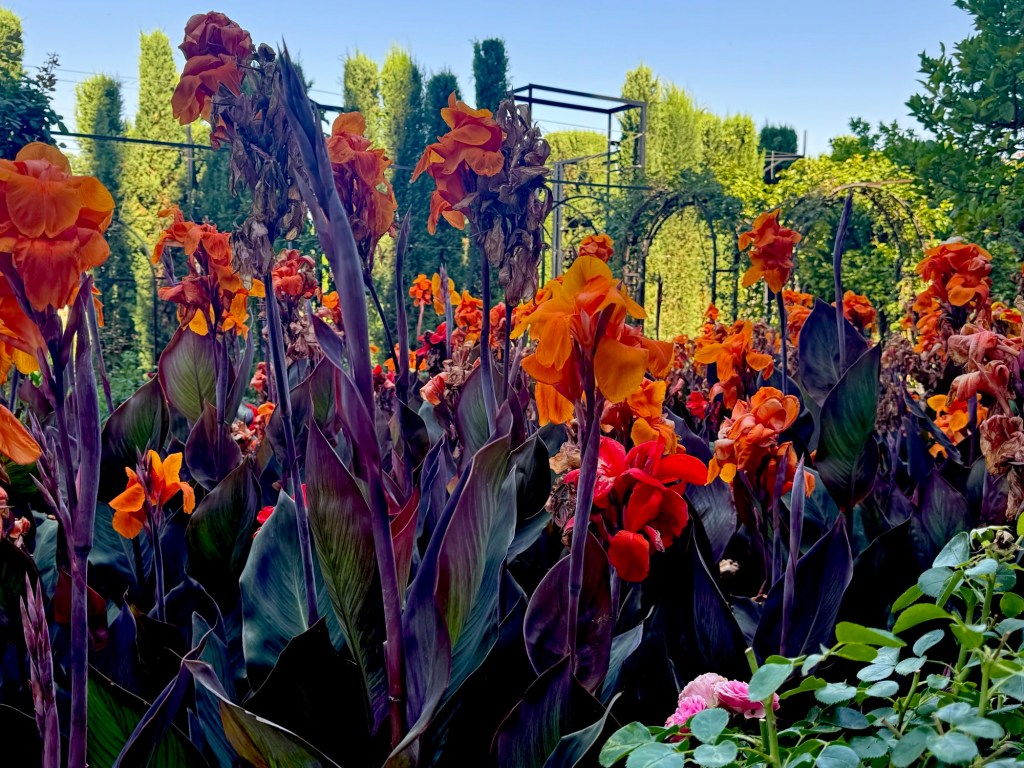
The courtyard
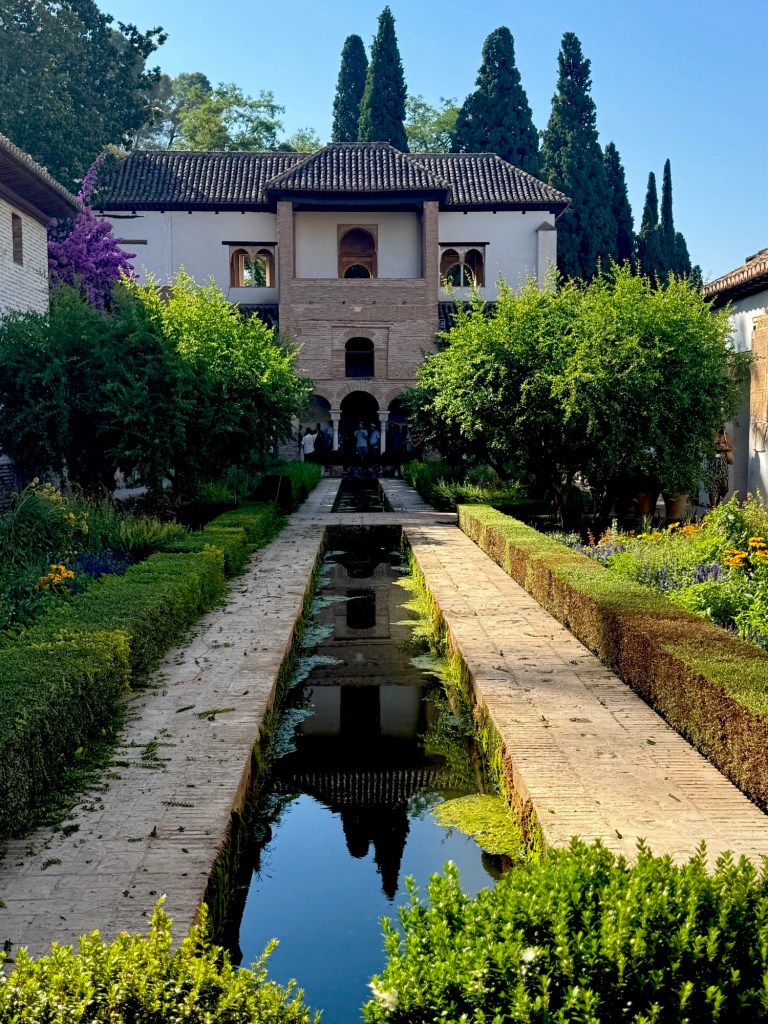
The views from all these windows
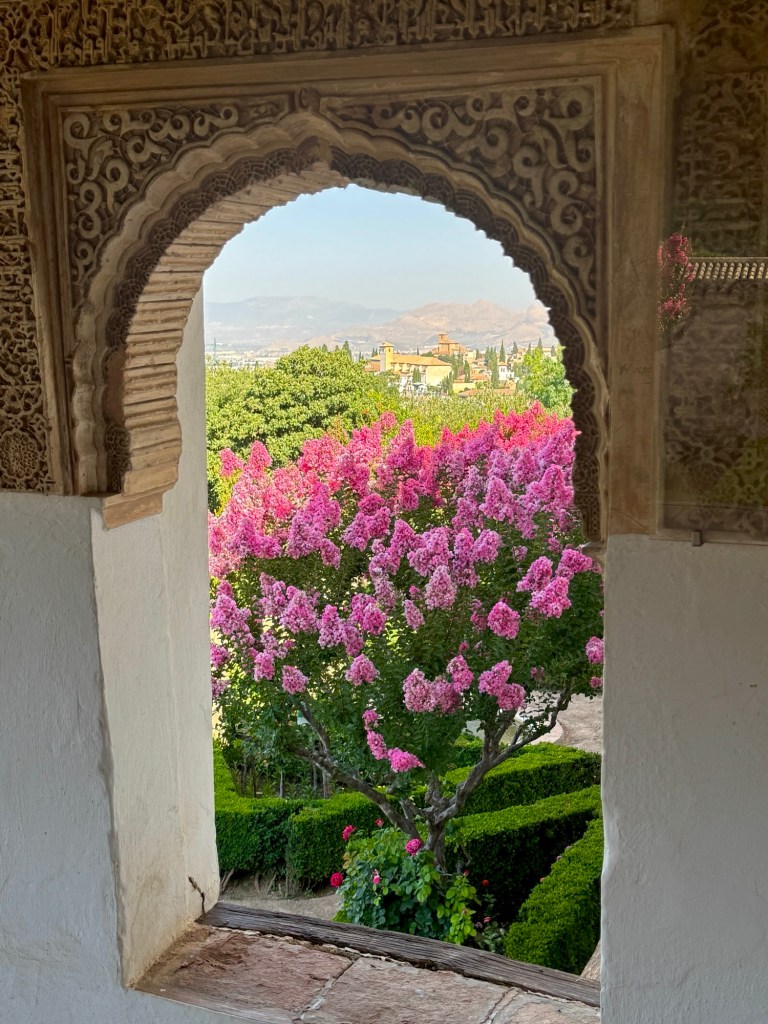

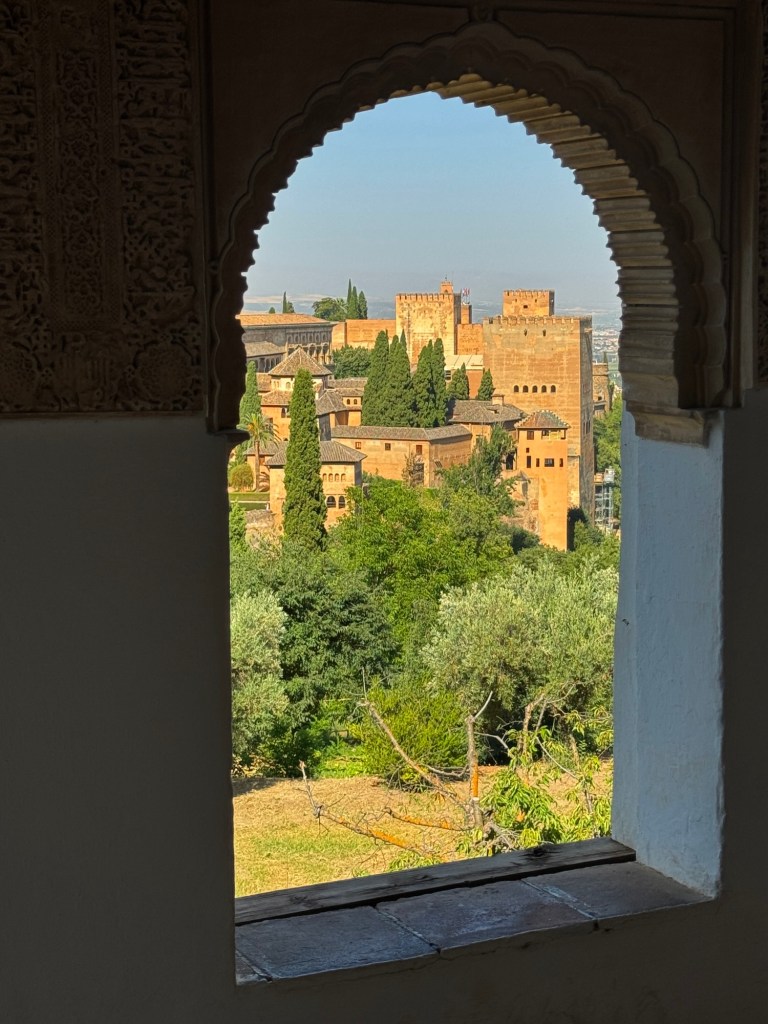
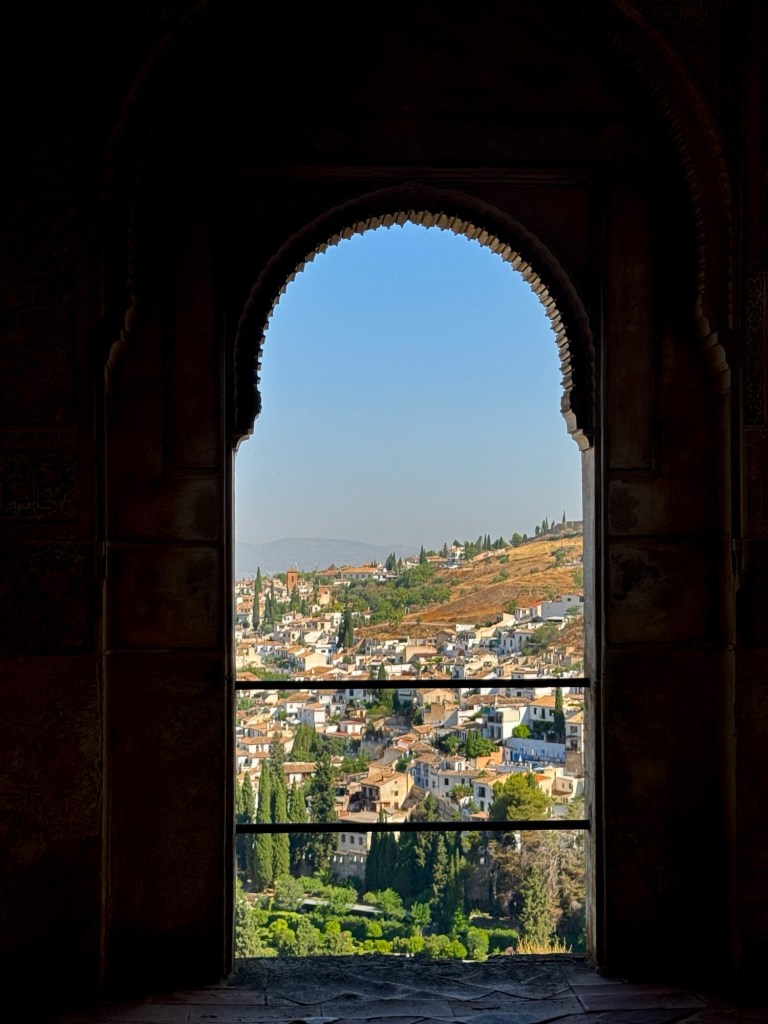
And the view of the other Alhambra palaces
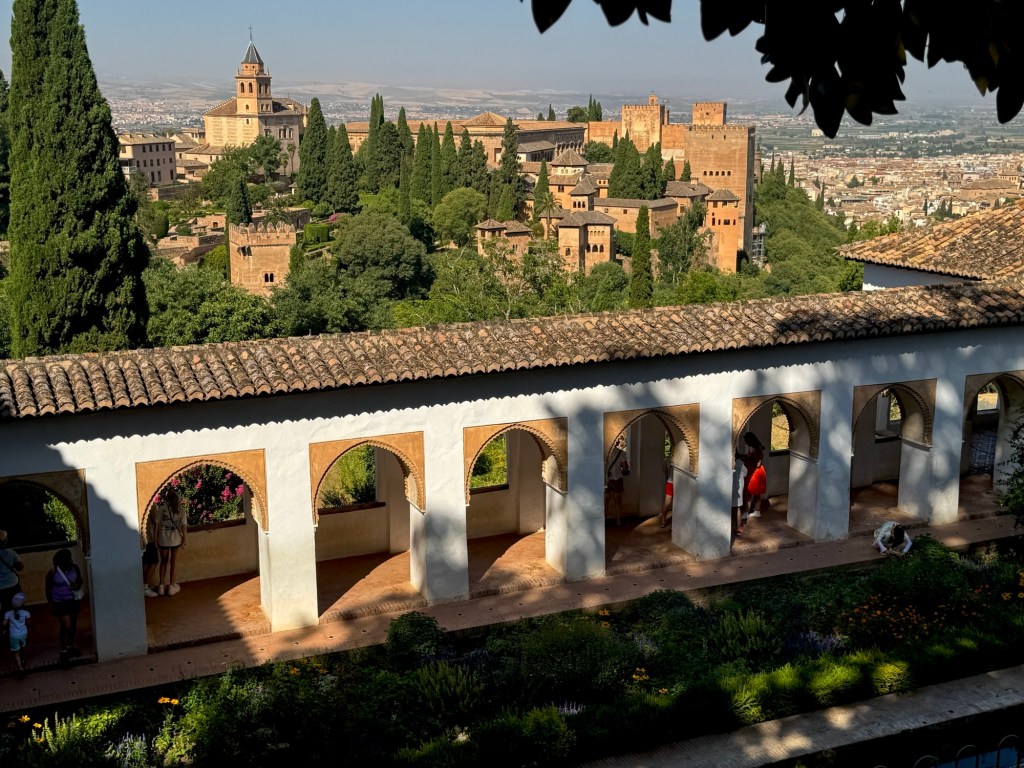
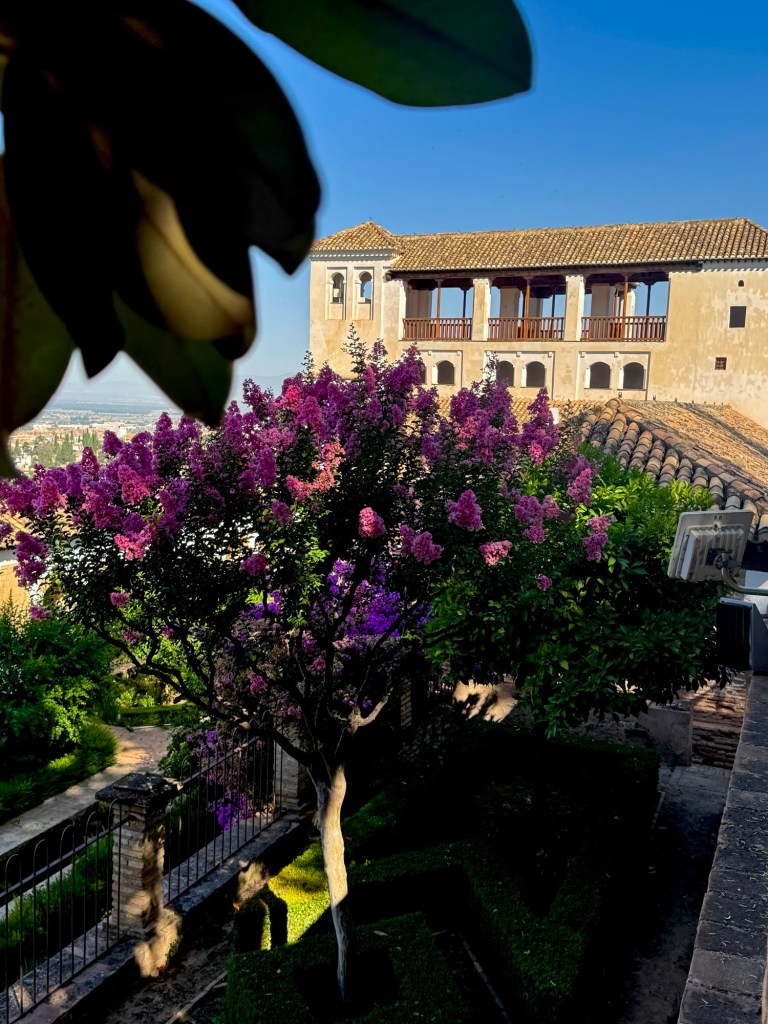
A beautiful spot to end the tour, and this afternoon we step back onto the coach bus and onto the next destination
 Everywhere On Earth With Erin