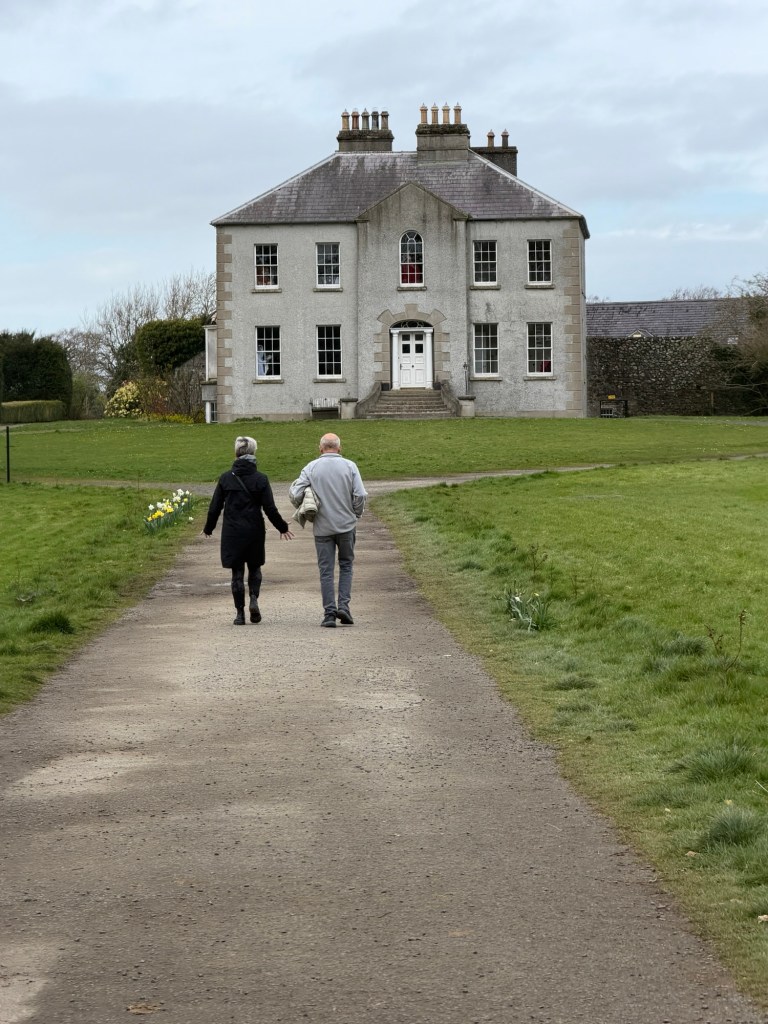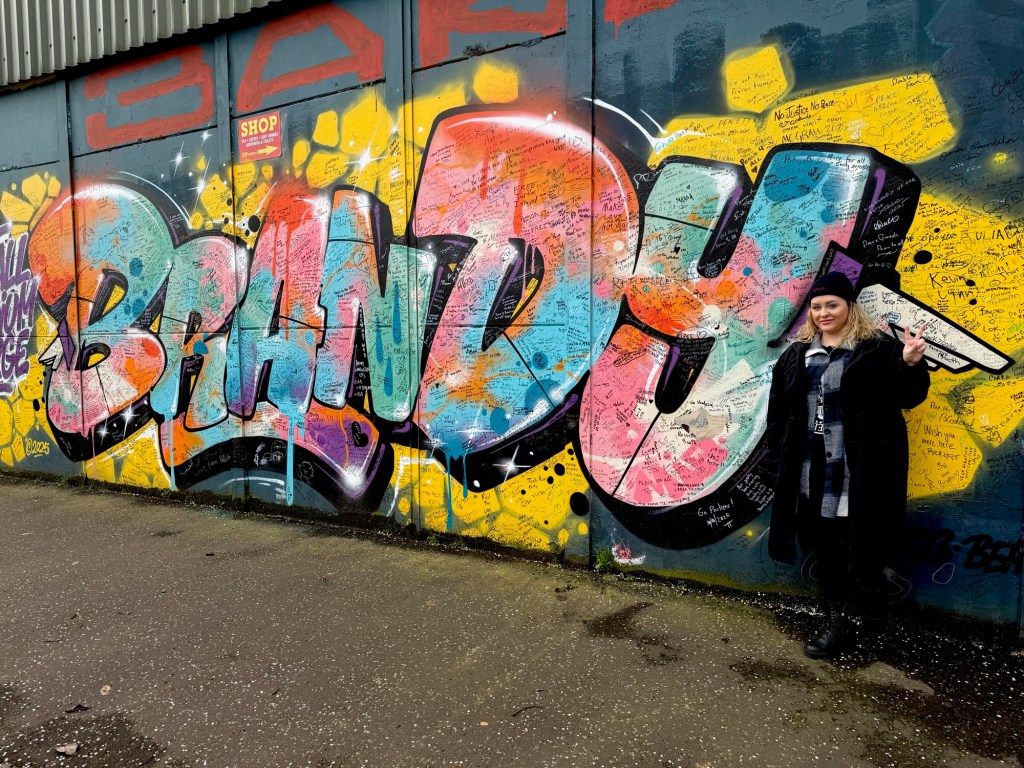
Welcome to my story style travel blog, featuring my adventure through Ireland in the spring of 2026.
You can read the blog in order, or about whichever destination intrigues you! Within my stories, I’ll offer some recommendations and some tips and tricks for a smooth journey. When I travel, I mostly do group tours and the reasons are:
* As a solo woman traveler, it is much safer especially if traveling long distances or to countries that can be dangerous in some places.
*The itineraries are amazing and usually include all of the things you’d want to see and do…and if not, there is free time to do as you wish
*You don’t have to worry about booking transport, finding hotels, etc. Sometimes that can contribute to the adventure, but it’s also nice to sit back and relax and let your Tour CEO be in charge
* And finally…the new people you meet on your tour become your family, and I’ve made lifelong friends in these journeys. For myself, this has equal importance with exploring new countries.
I used Expat Explore again – the tour is called Irish Explorer. This is my third time traveling with Expat, and their European itineraries are really awesome and not super expensive. Also, transport is by coach bus which is nice because the buses offer a comfy ride with air con, WIFI, charging ports, etc.
This morning, we don’t have time to eat breakfast at the hotel, so they give us a breakfast bag to go and it’s not great. We have around a 2 hour drive as we head north to the UK. We are on our way to Belfast, which is located in Northern Ireland. We don’t have a lot of time here, so the only option is to have some free time in the city or to visit one of Europe’s best museums, the Titanic Belfast.
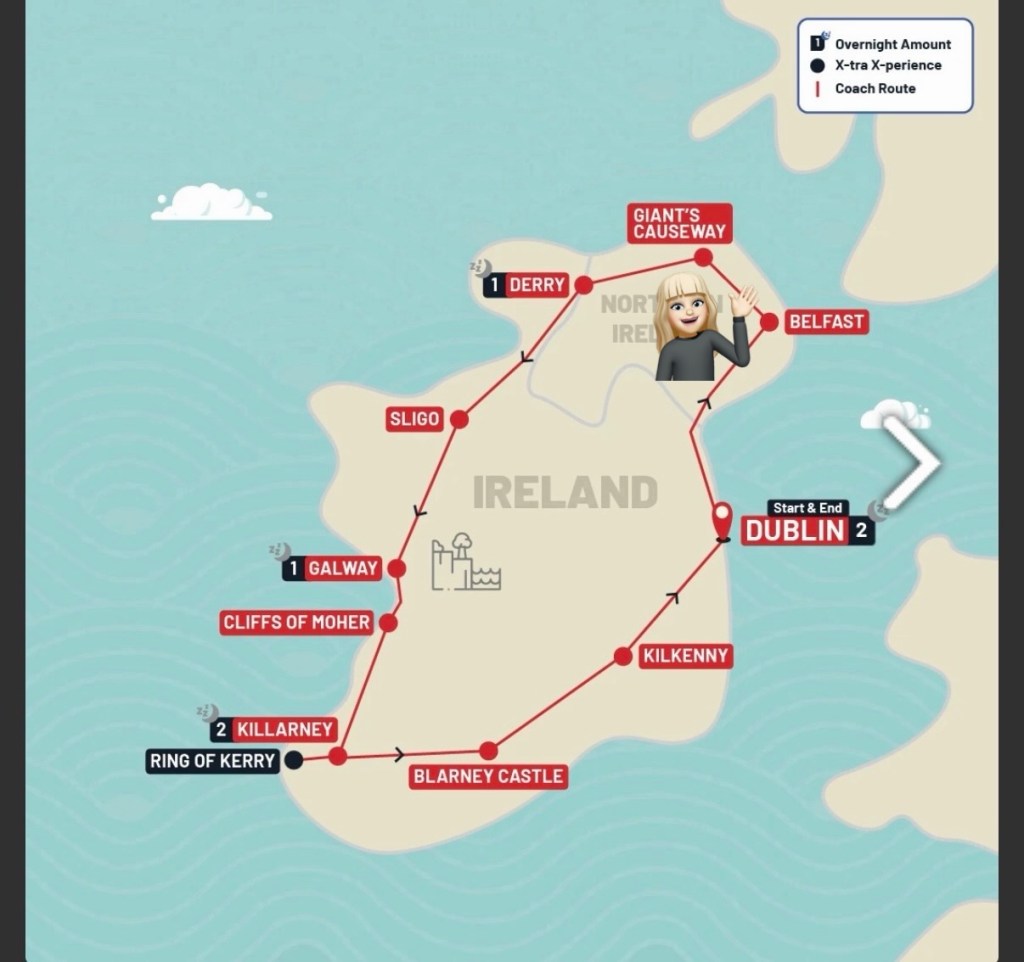
Belfast is a city shaped by industry, conflict, resilience, and reinvention. Once one of the world’s great shipbuilding centres; the Titanic was built in the famous Harland and Wolff shipyards, leaving an unmistakable mark on the city’s identity. Belfast’s more recent history is inseparable from The Troubles, the decades of political and sectarian conflict that deeply divided communities across Northern Ireland. Its culture is distinctly Northern Irish—proud, sometimes gritty, often wonderfully irreverent—and the city wears its complicated past openly rather than hiding it.
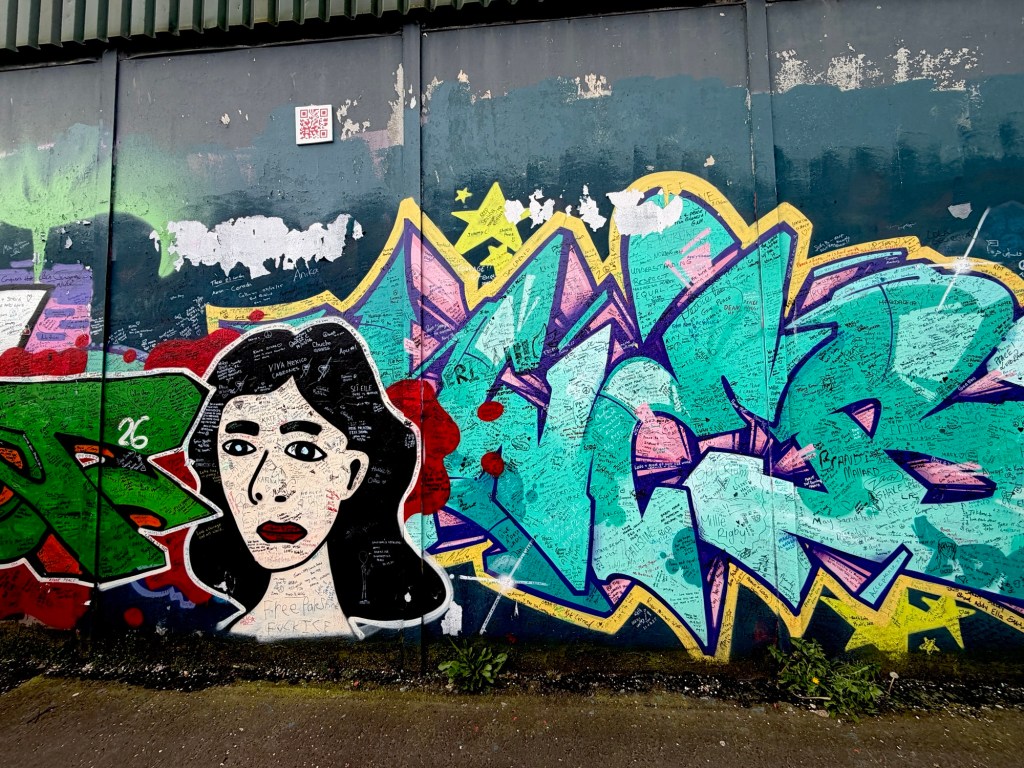
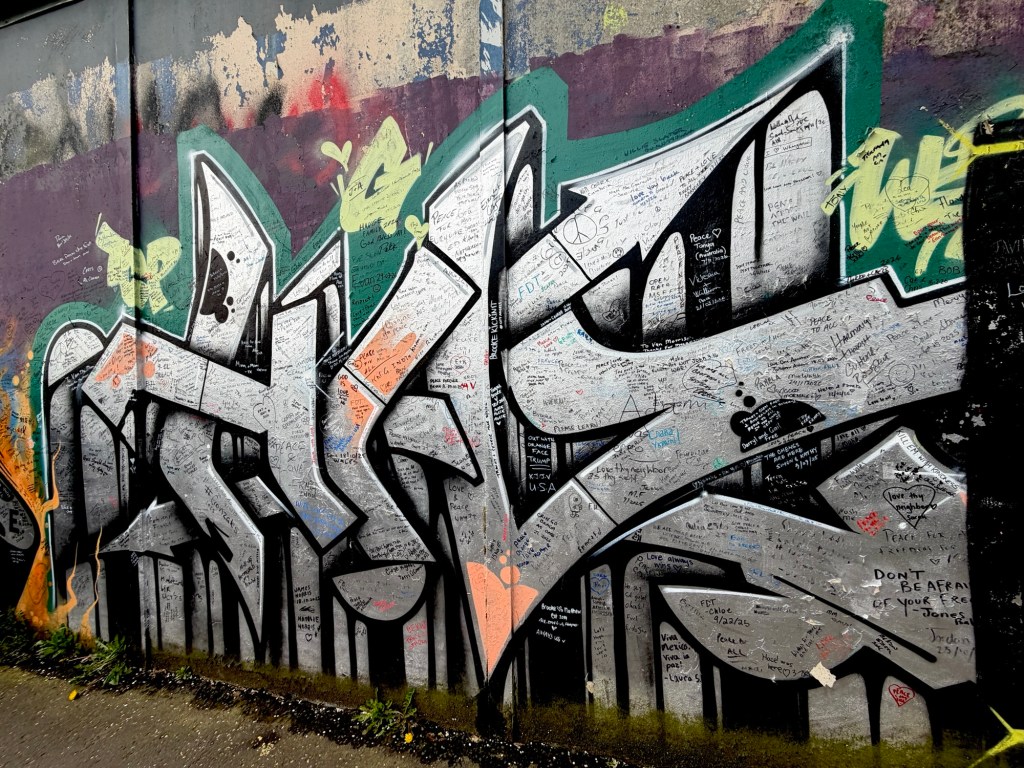
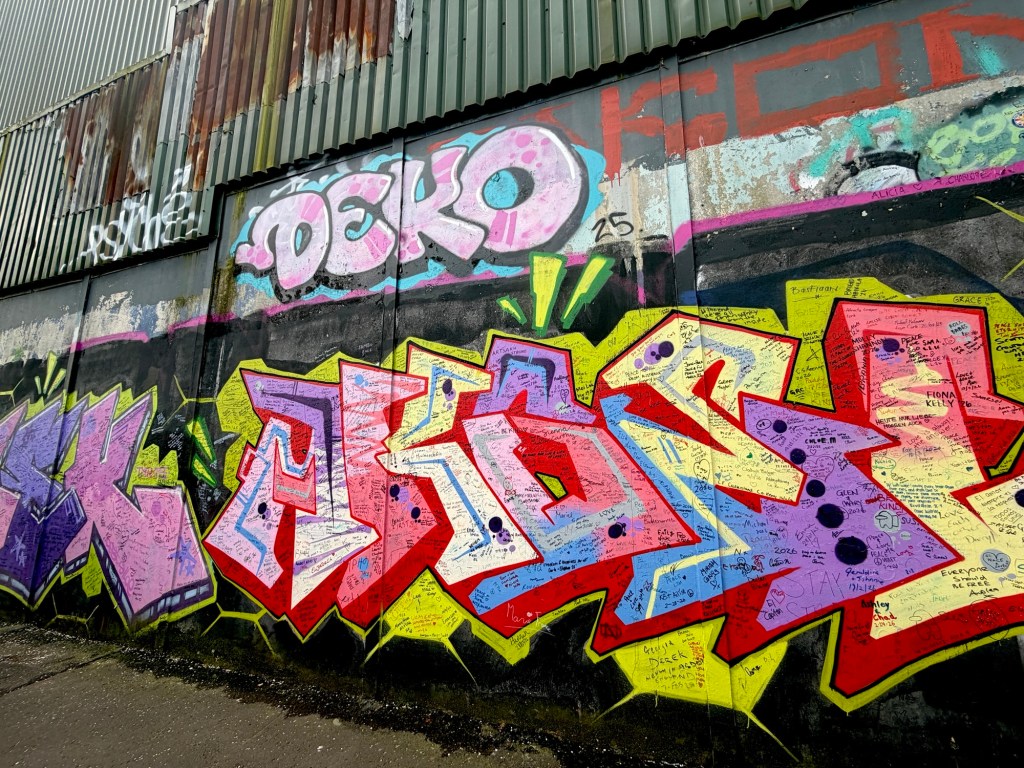
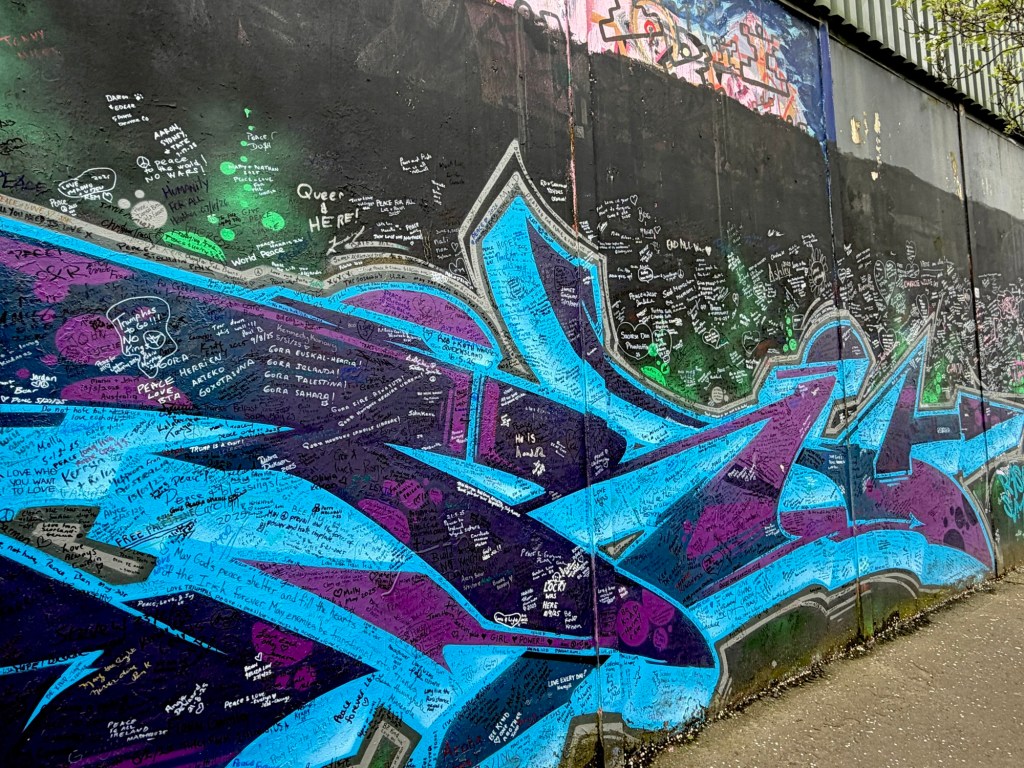
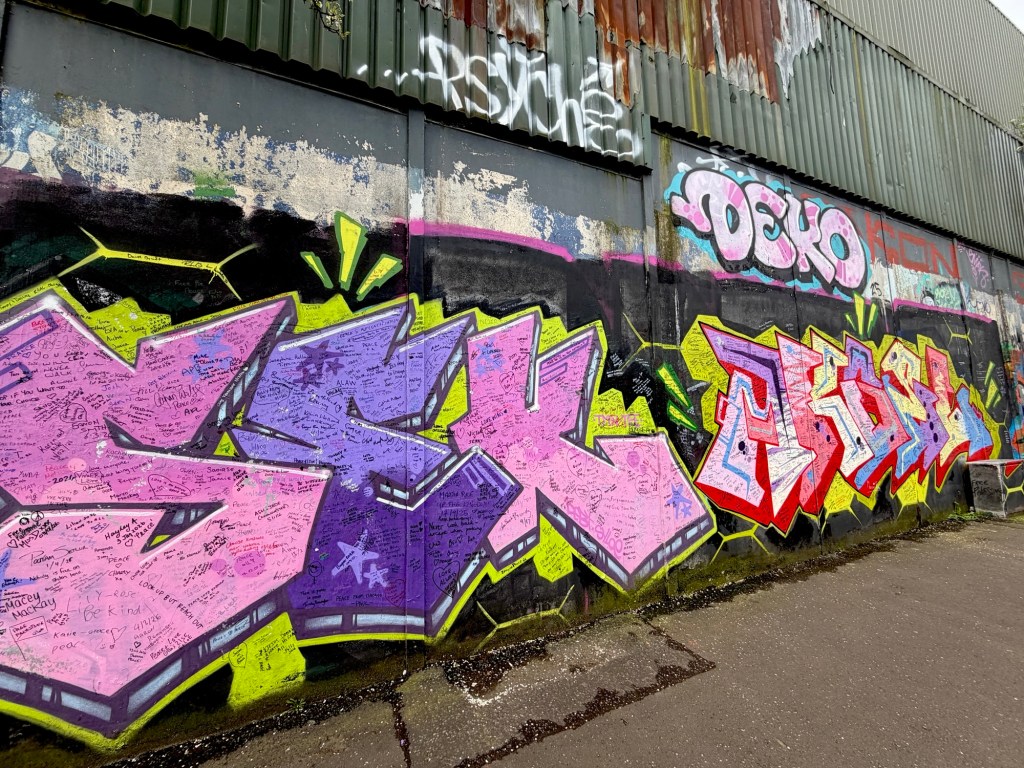
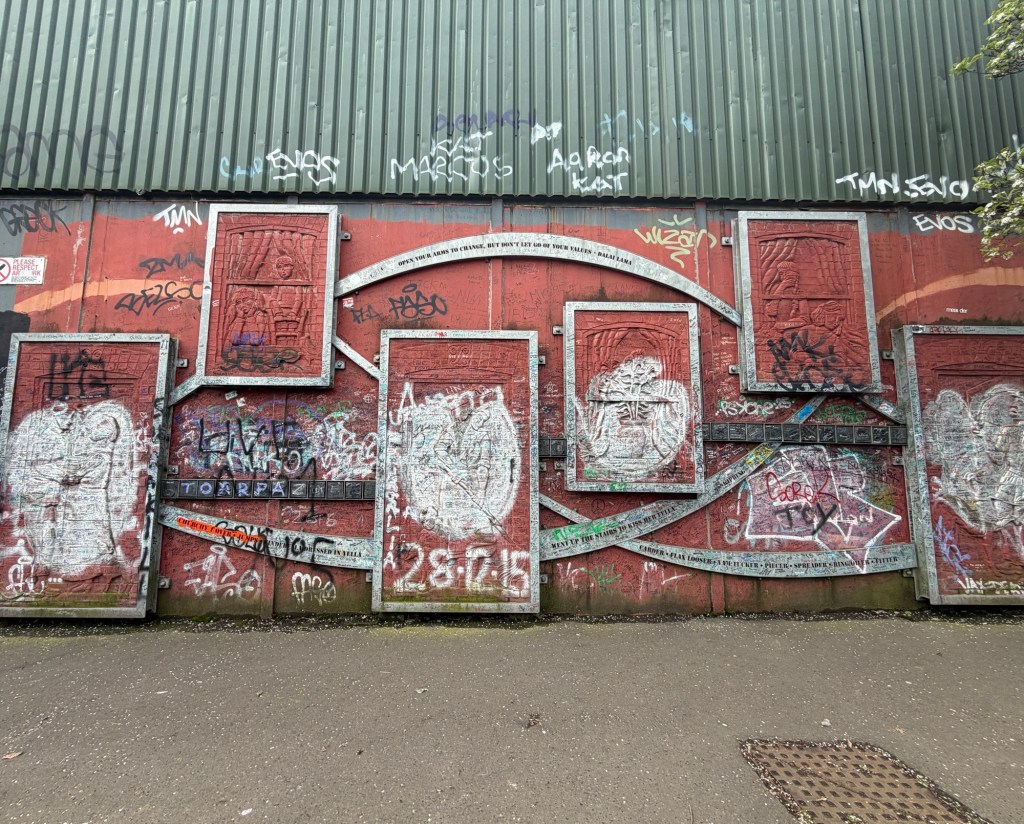
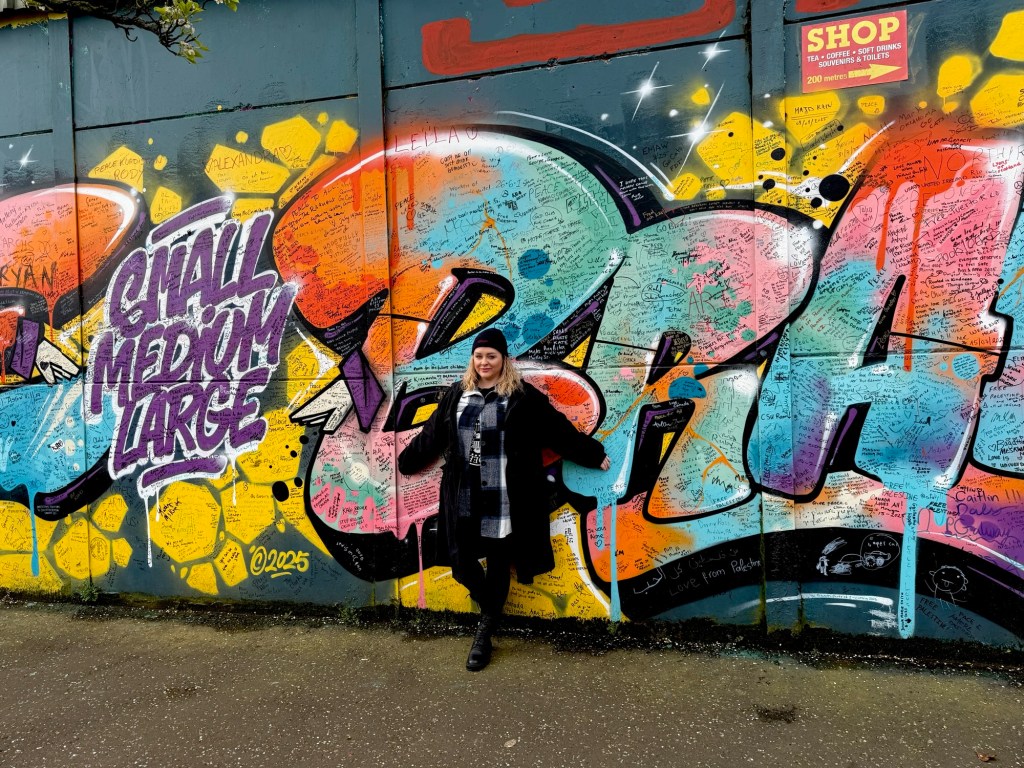
When we first arrive in the city, we drive into West Belfast to have a look at the famous walls that are covered in artwork. We make a stop at the Peace Wall, to get a chance to wander around and take some photos.
The walls were built to separate the Catholic and Protestant communities, and those who wanted Northern Ireland to be a part of a united Ireland, and those who wanted it to stay with the UK. They represent fear, division and violence that once made the neighborhood so dangerous but they also symbolize the fragile peace that followed. The conflict was known as The Troubles, and it came to an end with The Good Friday Agreement in 1998.

For the rest of the my time in Belfast I choose to explore the Titanic’s history.
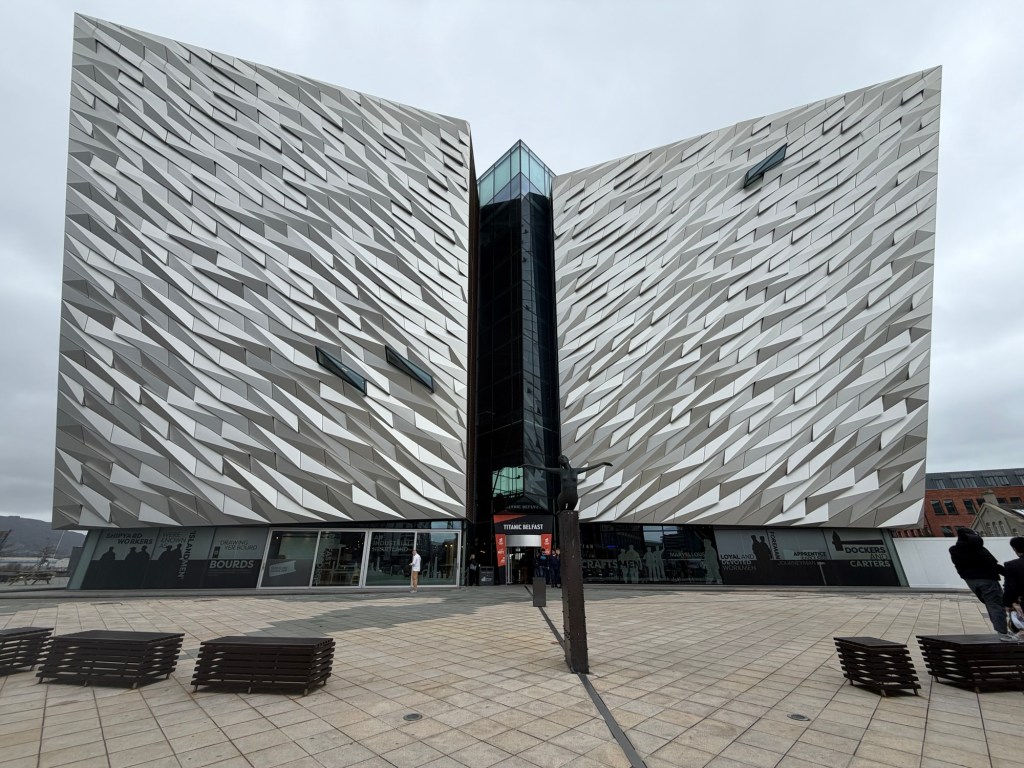
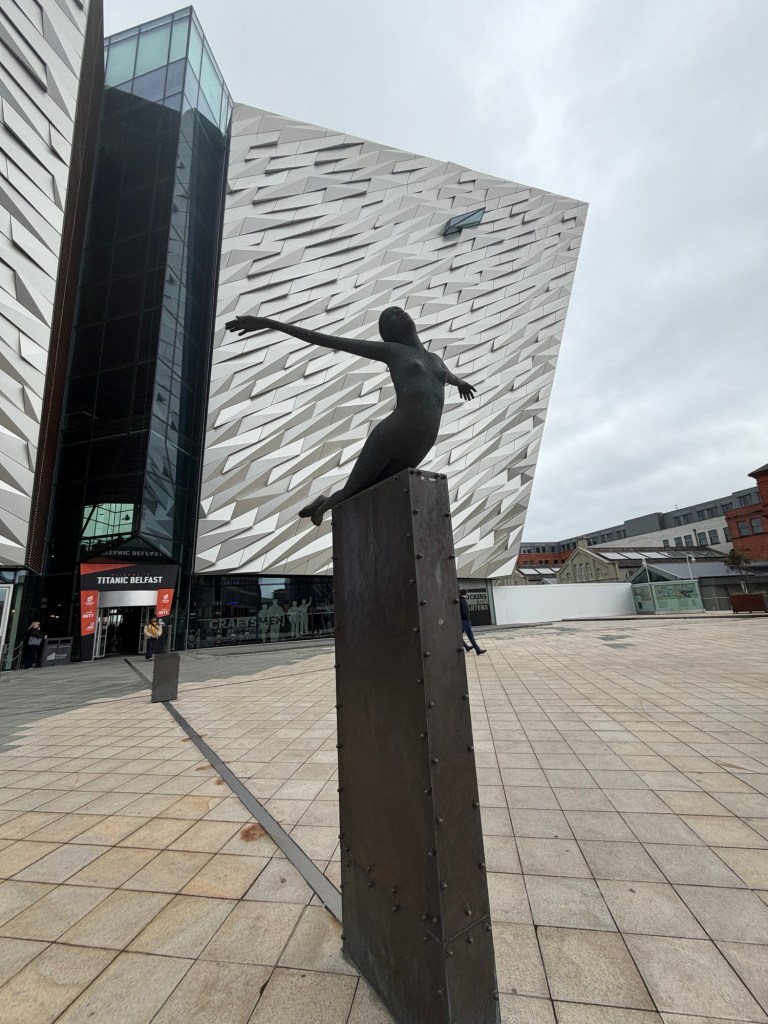
This attraction is located on the former Harland and Wolff shipyard, where the Titanic was built in 1911. The building is meant to resemble the shape of a ship. And it’s more than just a museum …it’s a story about Belfast’s history, industry and ultimately the rise and fall of the most famous ship in the world. The museum is very busy today and it’s probably because it is Easter Monday. It’s not ideal, but here we are.
If I can sum it up for y’all briefly….
We start out with Boomtown Belfast, in the early 1900s with all of its booming industry. It’s basically explains why the Titanic was built here.
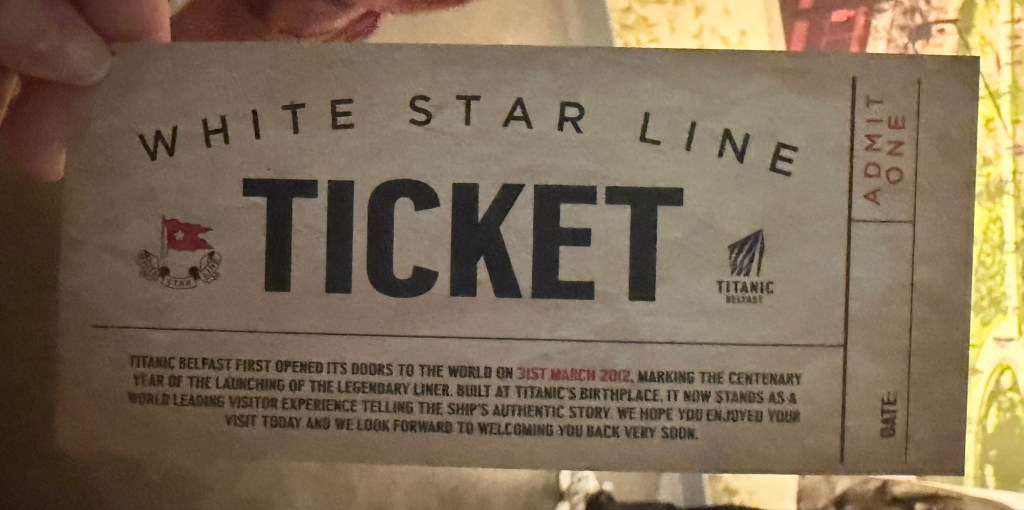
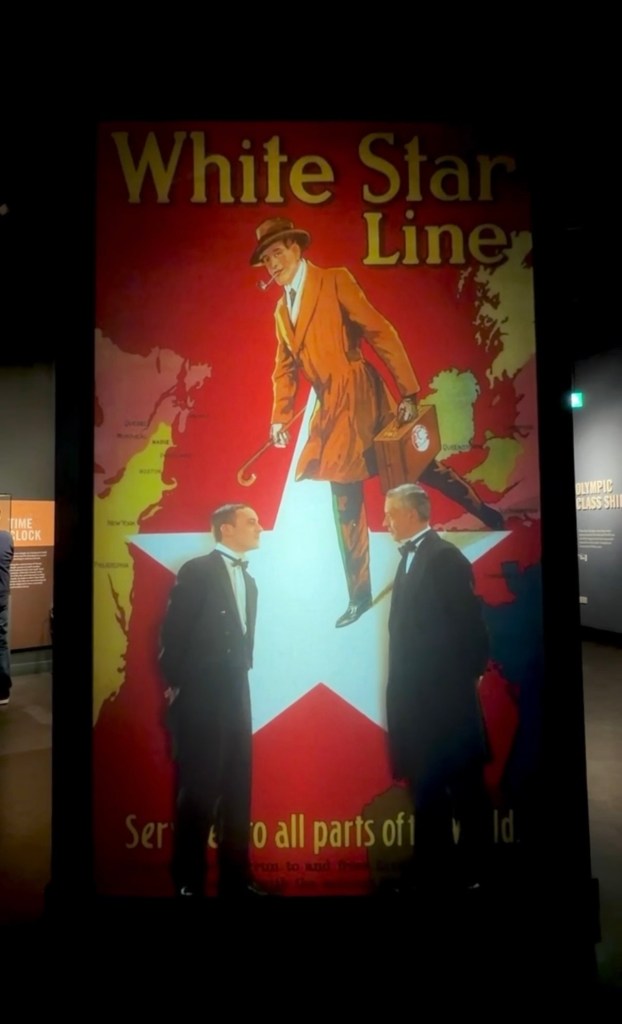
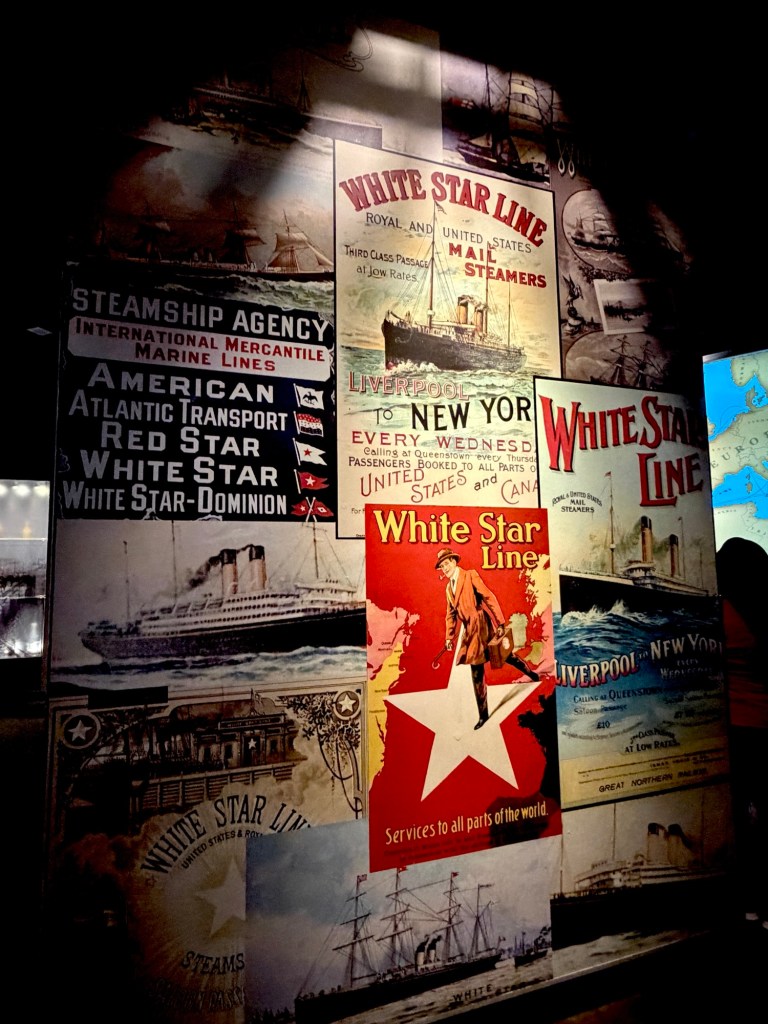
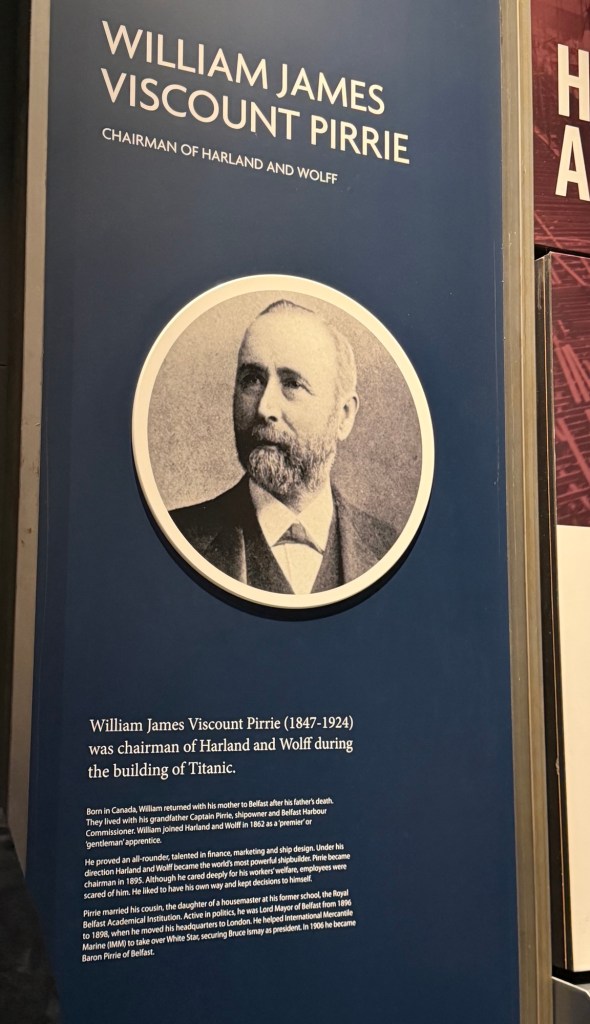
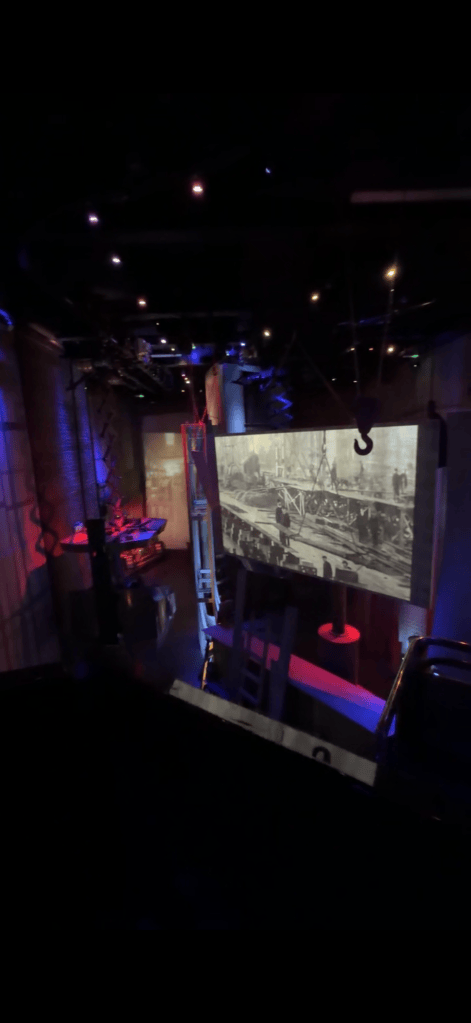
Now it’s onto the Shipyard, which explains how it was built and the skills that were required to pull off this amazing feat. One cool thing depicted is the Arrol Gantry, a large steel structure that was meant to act as overhead cranes in the construction of these large ships.
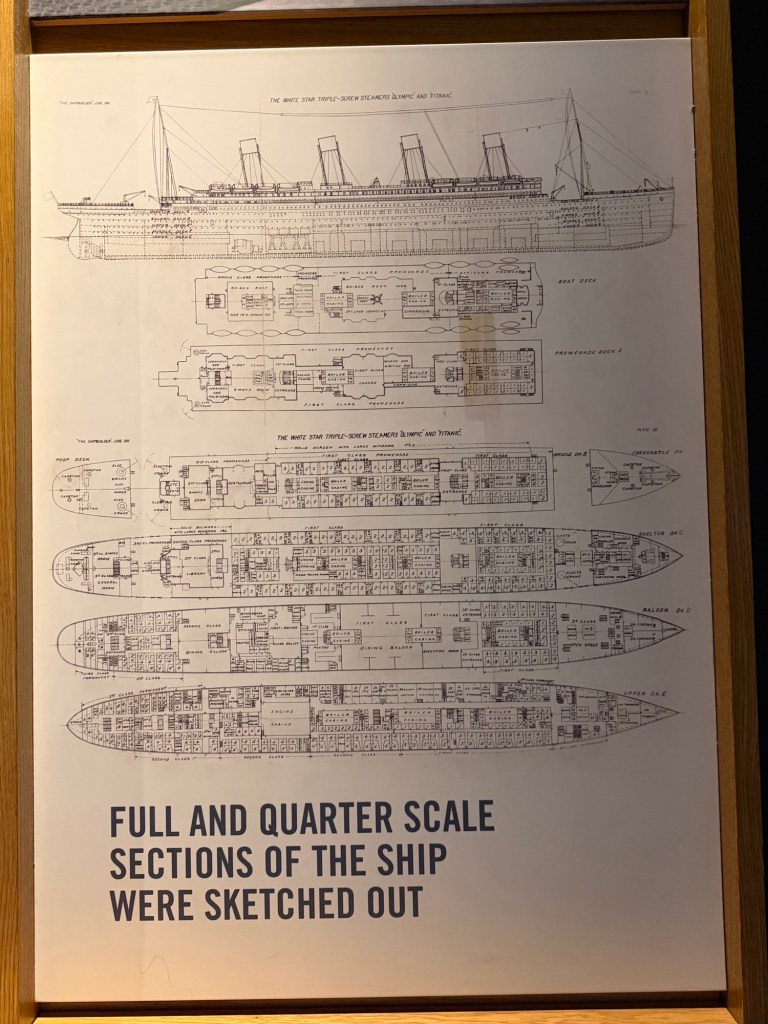
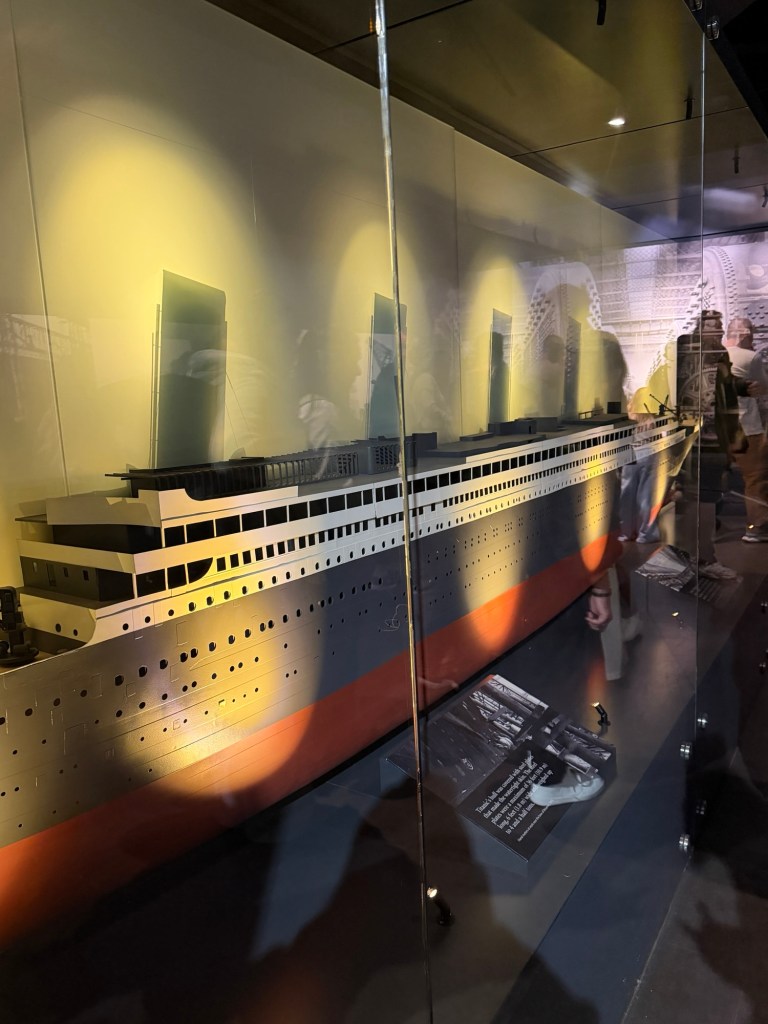
Then we take an elevator up a very high shaft to the shipyard ride. We climb into the cars, and it takes us through a story as to how the ship was made.
The next part is the launch, and we get to see the spot where the ship was built, which is very cool.
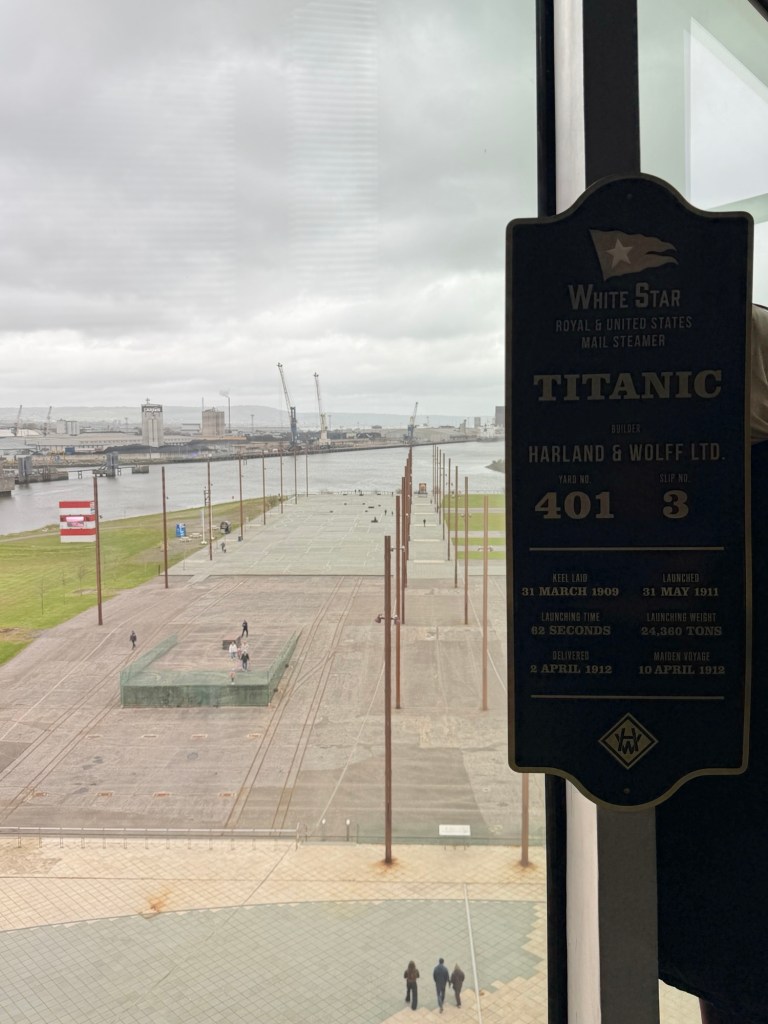
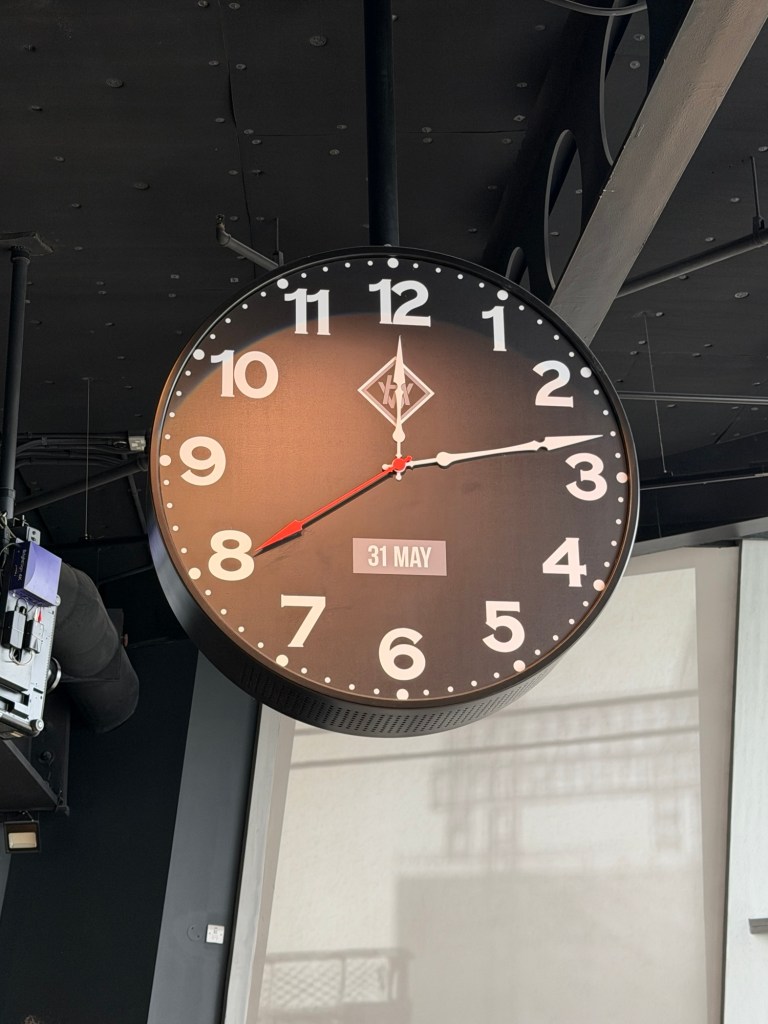
The historic date… May 31, 1911. There was so much excitement and crowds gathered. We know the Titanic as a tragic story, but at this moment, she represented national pride and achievement.
Now we get to see the inside… And the pinnacle of luxury it was. The accommodation, the social rooms, the grand interiors, the engineering systems and all of the work that was put in by the designers and the staff to prepare for the passengers.
We come to the Maiden Voyage, as it slowly makes its way across the Atlantic and we get to see how it was becoming a community amongst the 2200 passengers. There are photos that show the workers in the lower floors of the ship, and this leads to one of the my favorite exchanges I have with Steph. She innocently comments that they must’ve had some very poor working conditions, with toxic air/fumes probably leading to lung and breathing issues, and they could die from cancer. I stare at her for a moment and say, well, I don’t think that’s what got them in the end. And she stares back at me, and then realizes. Haha. I mean, she’s not wrong, but……
Anyways…….April 14-15, 1912. This is where the mood of the experience changes.
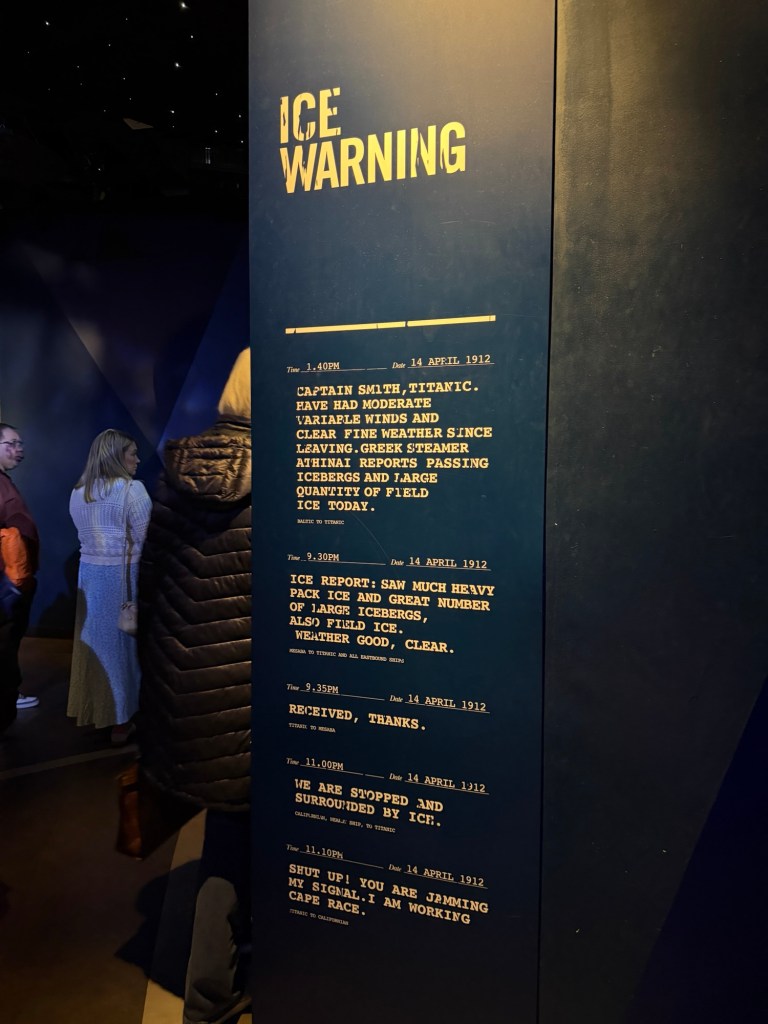
A recreation of the tension that was building as the Titanic approached the iceberg, followed by the crash, evacuation, and eventual sinking.
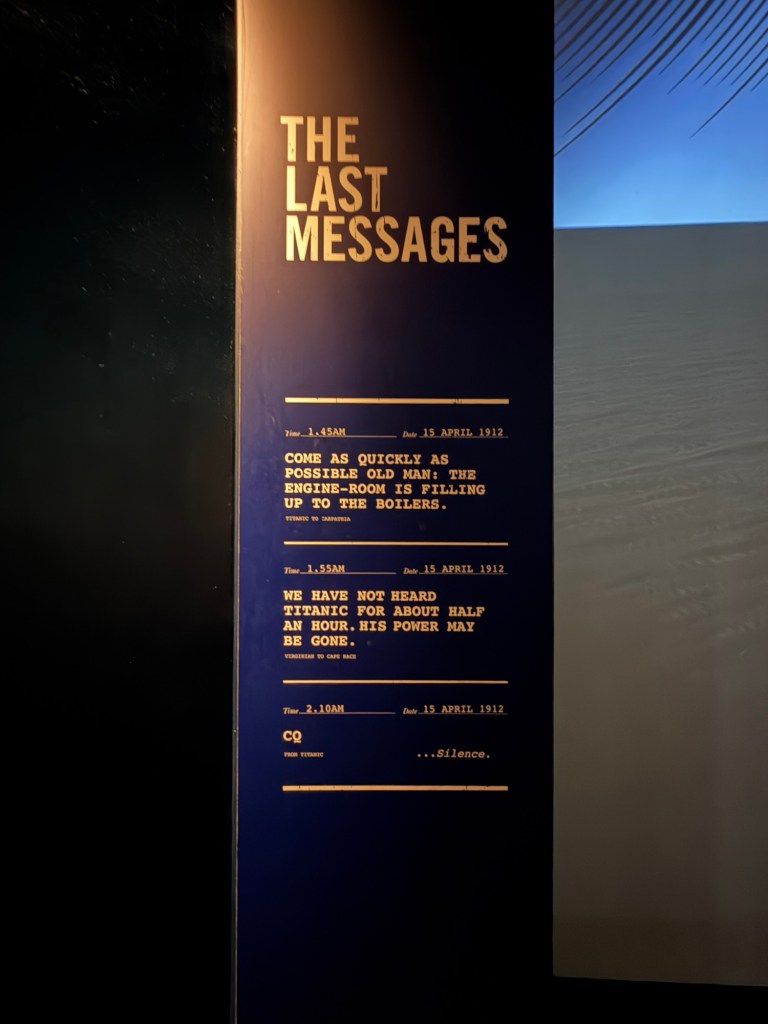
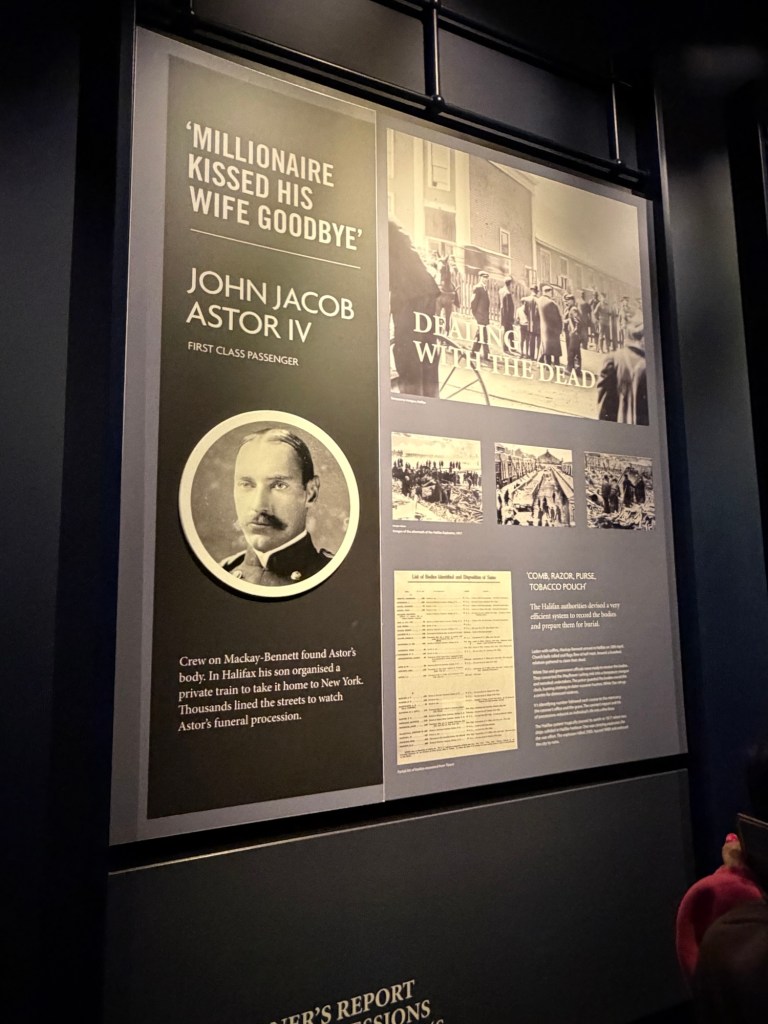
We see survivor accounts on the walls, and a list of all of those who lost their lives.
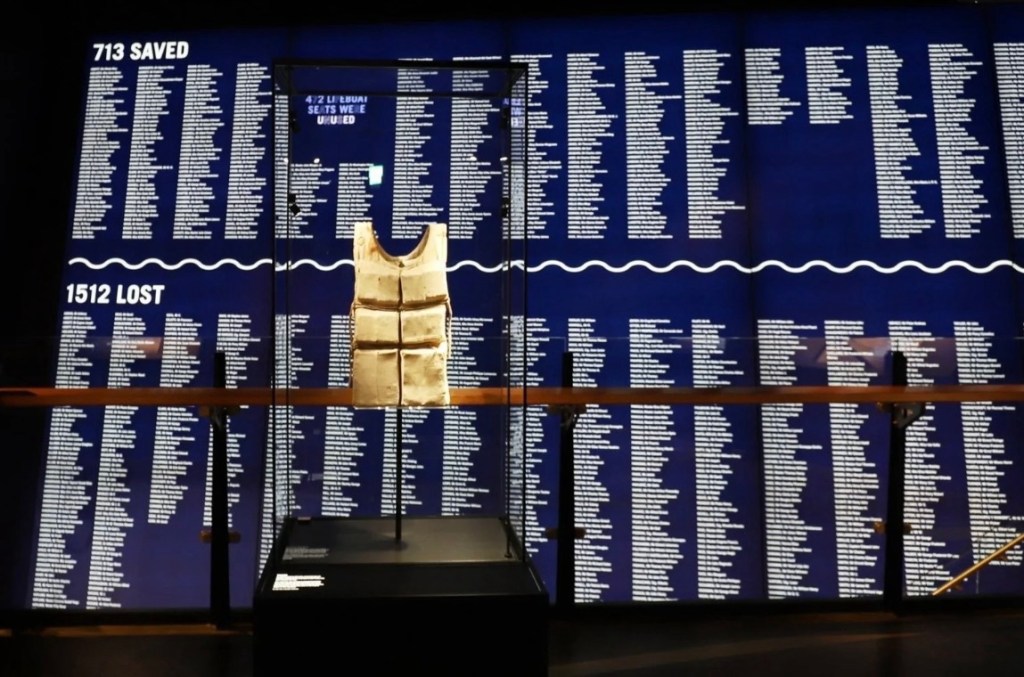
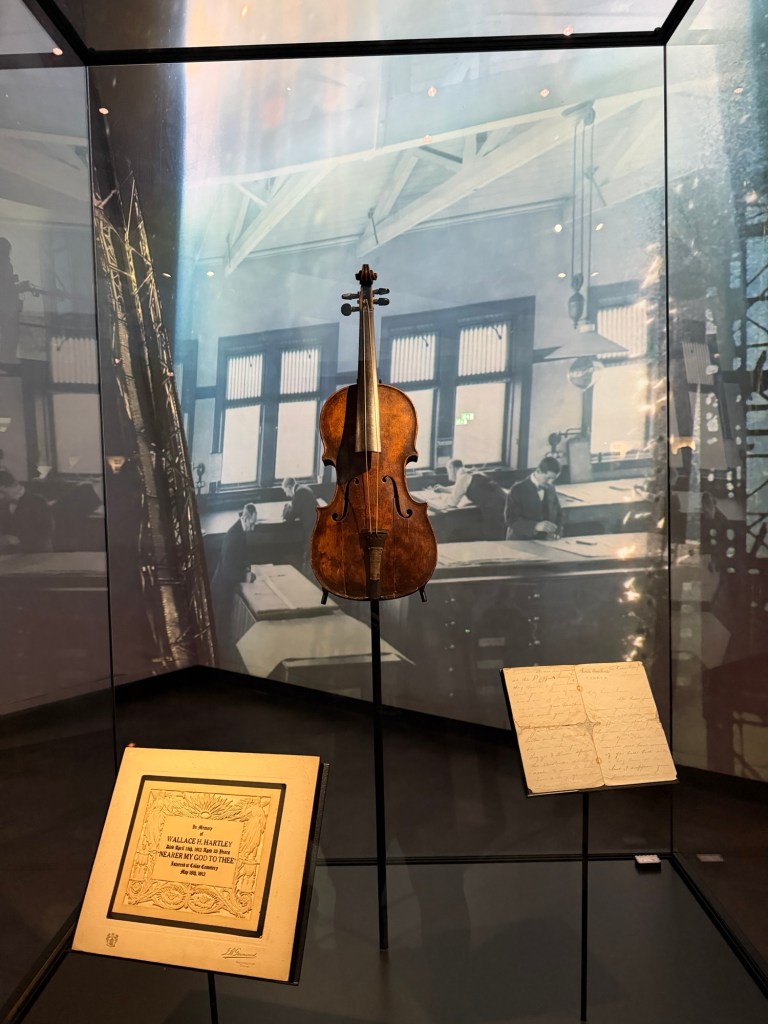
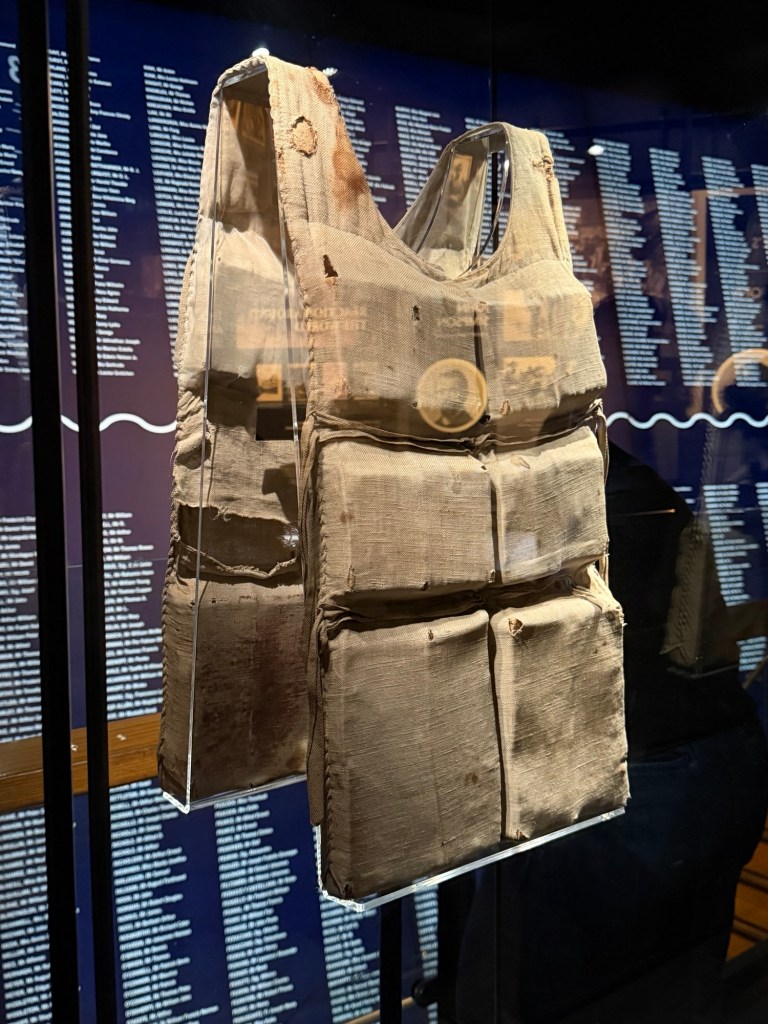
There’s even an original Fosbery life jacket on display, which belonged to one of the survivors who remains unknown. There are only 12 of these left in the world, which makes it a very rare artifact!
Now comes the analyzation of how it could’ve happened. The decisions that were made, and how they contributed to this disaster. Two that stand out are the limited amount of lifeboats and the fact that they did not have the key to open the locker where the binoculars were, which would have made them able to see the iceberg ahead. But there have been debates that say that the binoculars wouldn’t have mattered anyways because it was too dark.
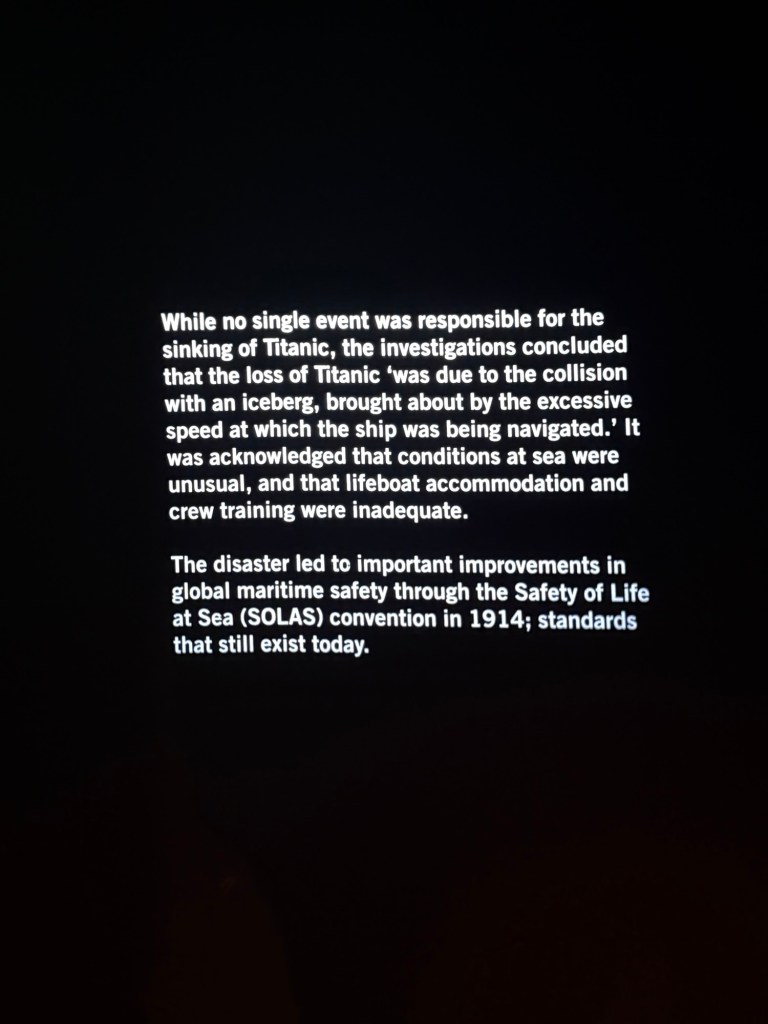
There were many changes made to maritime safety because of this disaster, and that is always a good thing.
Then we jump forward 70 years to Dr. Ballard’s quest to find the remains of the Titanic in 1985, detailing the technology used at the top secret U.S. Navy mission to reach the wreck in the depths of the ocean.
And finally, the museum explores how the Titanic has been represented in the modern world and in popular culture. In addition to the movie that you’ve probably all seen, James Cameron went to the wreckage to further explore in 2001. The documentary is called Ghosts of the Abyss. I will have to rewatch both of these movies now ! And overall ,the Titanic experience is pretty amazing!
Now the whole time I’m in here, I have that damn Céline Dion song running through my head. I feel like I just need to get it out of my system. Haha. I head downstairs into the parking and restroom area, and I decide to serenade one of the guys from my tour. It turns a few heads for sure, but it felt so good. Haha.
We end up grabbing lunch at the museum cafeteria, because there isn’t a lot of options for this afternoon because we’re on the road right after we’re finished here. And I need to mention that the souvenir shop is fantastic and I pick up a few cool items.
We are now back on the road, and Steph has an idea to visit a spot that isn’t actually on our tour itinerary. She talks to Inge, our tour leader, and confirms with Sean our driver that we are able to make a detour! The place is called the Dark Hedges, a dramatic avenue of (now old) beech trees planted by the Stuart family in the 18th century as an impressive entrance for people arriving to their estate mansion.
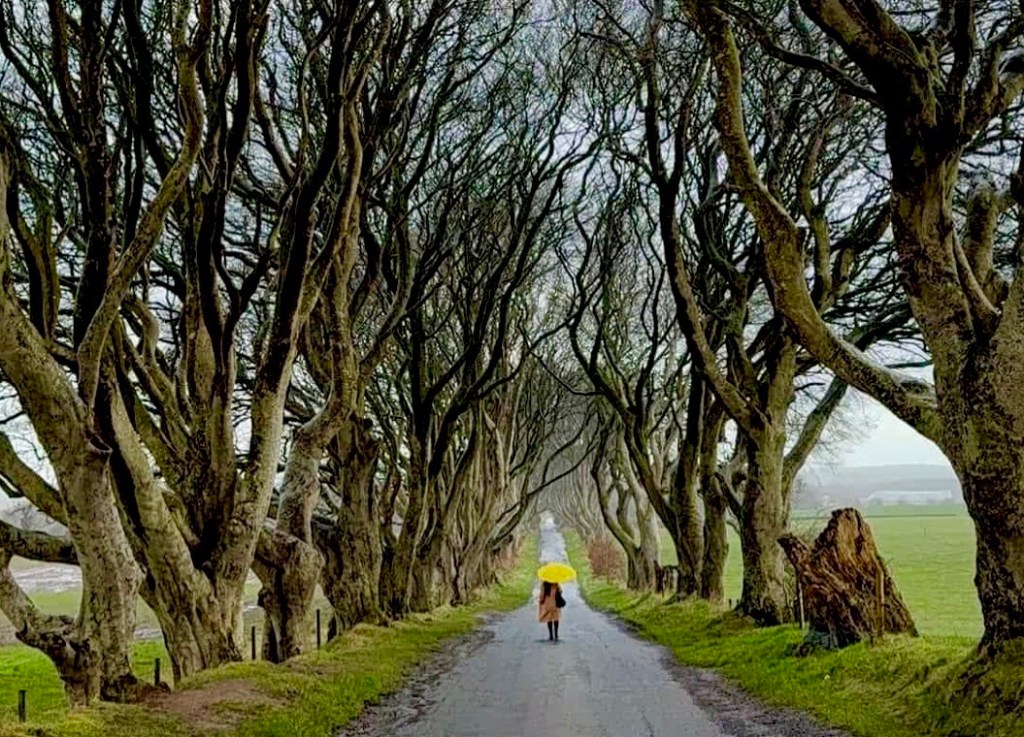
Over the centuries the branches became arched and twisted towards each other, making it look like a tunnel.
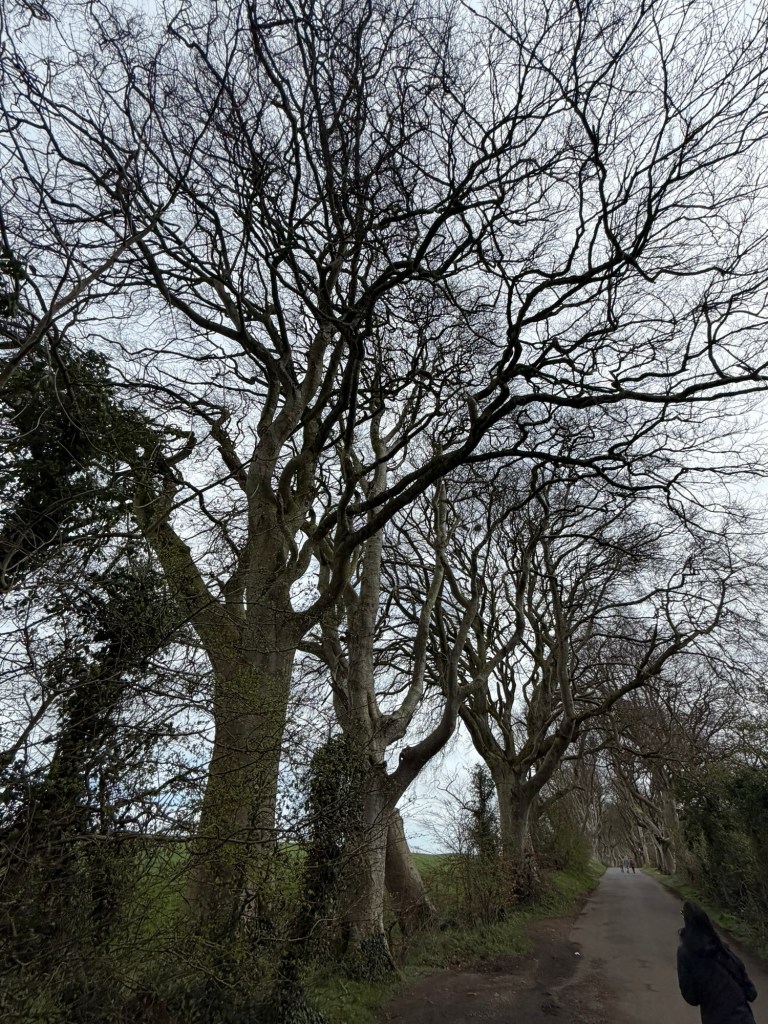
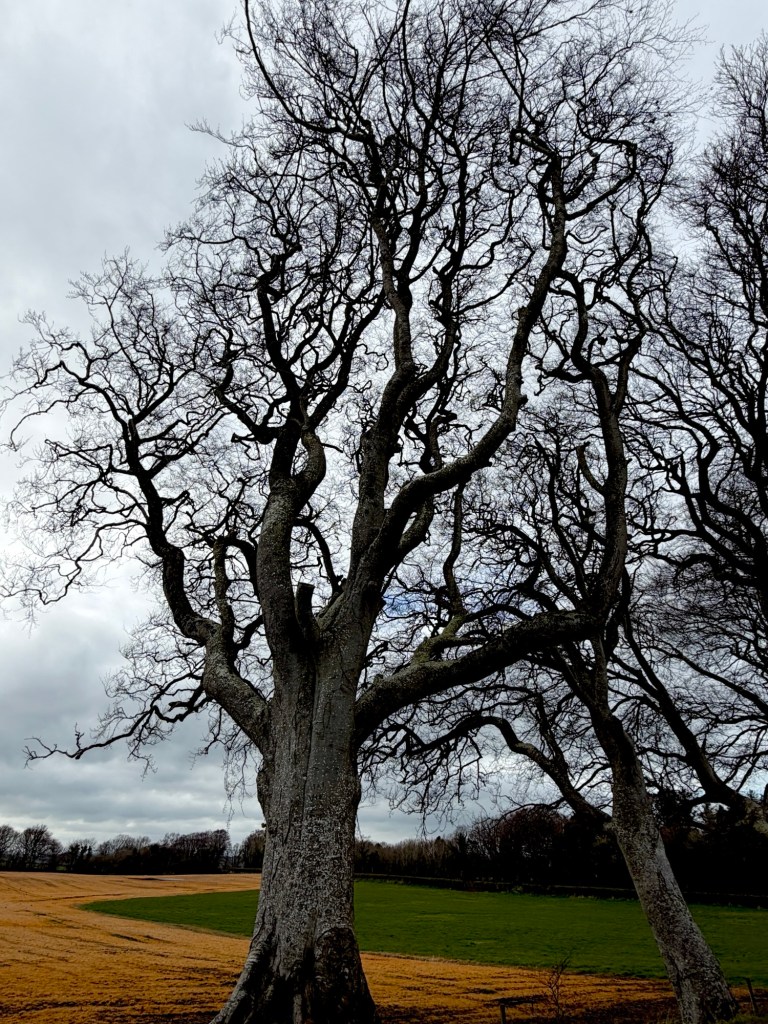
Most famously, you will see them in Game of Thrones as Kingsroad. As time goes on, the trees have aged or been damaged in storms so there are measures in place for their preservation.
And now we carry on to the Giant’s Causeway, to be continued……